Learn how spray foam insulation works in Billings, MT, including insulation types, energy efficiency, air sealing, installation, costs, and maintenance tips.
For homeowners in Billings, MT, keeping indoor temperatures comfortable can be challenging through Montana’s changing seasons. Spray Pros Insulation can help reduce unwanted air movement and improve the thermal performance of walls, attics, crawl spaces, and other areas of a home.
Unlike traditional insulation that mainly slows heat transfer, spray foam can also expand into gaps and create an air seal. That makes it useful for areas where small openings around pipes, wiring, joints, or framing can allow conditioned air to escape.
Before choosing an insulation system, homeowners should understand the different foam types, where they work best, and what affects installation quality.
What Is Spray Foam Insulation?
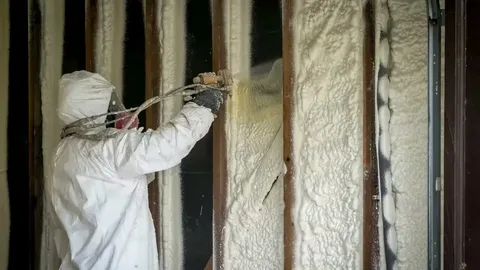
Spray foam insulation consists of two liquid components that combine during application and expand into a foam. Once applied, the material fills cavities, cracks, and gaps around building components.
There are two main types:
- Open-cell foam: Expands significantly and has a softer, less dense structure. It can provide air sealing and thermal insulation.
- Closed-cell foam: Has a denser structure and generally provides greater insulation value per inch. It can also resist moisture more effectively.
The right option depends on the building assembly, available space, moisture conditions, and project goals.
How Spray Foam Can Improve Home Comfort
Air leakage can make rooms harder to heat or cool. Drafts around windows, doors, attic penetrations, plumbing lines, and electrical openings can contribute to uneven indoor temperatures.
Spray foam insulation in billings MT can help by sealing many of these pathways.
Potential benefits include:
- Fewer drafts
- More consistent indoor temperatures
- Reduced air leakage
- Better performance from heating and cooling equipment
- Improved insulation around difficult-to-reach areas
- Greater control over conditioned indoor air
However, insulation does not solve every comfort problem. Poor ductwork, inadequate HVAC sizing, moisture issues, and damaged building components can also affect indoor comfort.
Where Spray Foam Insulation Works Best
A professional assessment can help determine which areas need attention. Common locations include:
- Attics
- Crawl spaces
- Exterior wall cavities
- Rim joists
- Basements
- Garages
- Around penetrations and difficult gaps
The goal should be to improve the building envelope without creating new moisture or ventilation problems.
Choosing the Best Spray Foam Insulation
Searching for the Best spray foam insulation in laurel mt should involve more than comparing product names. Installation quality, material selection, building conditions, and proper preparation all influence the finished result.
Before selecting an insulation approach, consider:
- Foam type: Determine whether open-cell or closed-cell foam fits the application.
- Existing insulation: Evaluate whether old insulation should remain, be removed, or be supplemented.
- Moisture: Address leaks or moisture problems before installation.
- Ventilation: Make sure the project does not interfere with required ventilation.
- Building codes: Confirm that the planned work follows applicable requirements.
- Installation conditions: Temperature, surface condition, and preparation can affect application quality.
A reputable insulation professional should be able to explain why a particular product and application method fits the building.
Understanding Installation
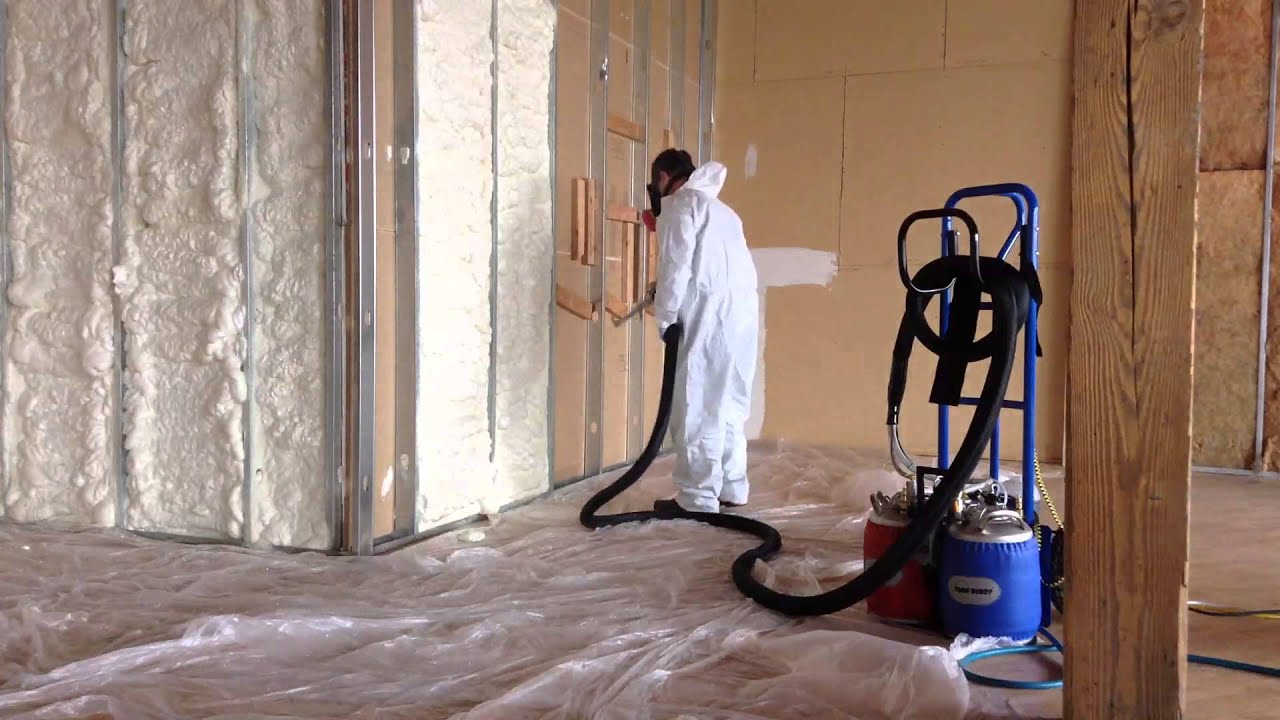
Spray foam installation requires careful preparation. The work area may need cleaning, removal of unsuitable materials, and protection of surfaces that should not receive foam.
During installation, the applicator controls the material as it expands and adheres to the substrate.
What to Expect During Spray Foam Insulation Installation
Homeowners should discuss the process before work begins. Important questions include:
- Which areas will receive insulation?
- What preparation does the space require?
- Which foam type will be used?
- How thick will the application be?
- How will ventilation be handled?
- How long should occupants stay away from the work area?
- What cleanup is included?
Spray foam application requires appropriate protective equipment and controlled working conditions. Occupants should follow the installer’s re-entry guidance.
Factors That Affect Insulation Costs
The price of an insulation project depends on several variables rather than a single standard rate.
Cost can be influenced by:
- Square footage
- Foam type
- Required thickness
- Location of the installation
- Accessibility
- Existing insulation removal
- Surface preparation
- Labor requirements
- Repairs needed before installation
An attic with easy access may have different requirements from a tight crawl space or wall cavity. Getting a project-specific assessment provides a more useful budget than relying on a general price estimate.
Common Mistakes to Avoid
Insulation problems often come from poor planning rather than the material itself.
Covering Moisture Problems
Spraying foam over an active leak or damp building material can hide the underlying problem. Moisture sources should be identified and corrected first.
Ignoring Airflow and Ventilation
Sealing an attic or crawl space changes how air moves through the building. The overall assembly should be planned before work begins.
Focusing Only on Thickness
More foam does not automatically mean a better result. The correct material, location, coverage, and application quality all matter.
Choosing Based Only on Price
A low initial quote may not include preparation, removal, repairs, or the complete scope of work. Compare what each estimate actually covers.
Best Practices for Better Insulation Performance
Homeowners can improve the long-term results of an insulation project by following a few basic practices:
- Fix roof, plumbing, or foundation leaks before insulation.
- Identify major air leakage points first.
- Choose foam based on the building application.
- Confirm the planned thickness and coverage.
- Keep required ventilation pathways clear.
- Use qualified installers familiar with spray foam applications.
- Ask about manufacturer requirements and applicable building codes.
- Inspect the finished work for obvious gaps or missed areas.
Good insulation works as part of the entire building envelope. Windows, doors, roofing, HVAC systems, and ventilation can all affect the final result.
Actionable Tips for Billings Homeowners
Before scheduling an insulation project, walk through the home and note rooms that feel unusually cold, hot, or drafty.
Then:
- Check the attic for obvious insulation gaps.
- Look for drafts around penetrations and openings.
- Inspect crawl spaces for moisture concerns.
- Review previous insulation work.
- Identify areas that are difficult to heat or cool.
- Ask for an explanation of the recommended foam type.
- Request a detailed project scope.
- Discuss preparation and re-entry requirements.
- Keep records of the insulation materials and areas treated.
These steps can help homeowners make decisions based on actual building conditions rather than assumptions.
Conclusion
Choosing spray foam insulation in Billings, MT, requires more than selecting a product. Homeowners should consider air leakage, moisture, ventilation, building design, foam type, installation conditions, and long-term performance.
The best spray foam insulation near me is not necessarily the product with the highest specification or lowest price. A suitable material, correctly applied to a properly prepared building, provides a more practical path toward better comfort and energy performance.
FAQ
How does spray foam insulation work?
It expands after application and fills gaps, cracks, and cavities. It provides thermal insulation while also helping reduce unwanted air movement through the building envelope.
What is the difference between open-cell and closed-cell foam?
Open-cell foam has a lighter, more flexible structure, while closed-cell foam has a denser structure and generally provides more insulation per inch. The appropriate choice depends on the application.
Can spray foam be installed over existing insulation?
Sometimes, but the answer depends on the condition and type of existing insulation. A professional assessment can determine whether removal, replacement, or additional insulation makes sense.
Does spray foam help reduce drafts?
Yes. One of its key functions involves limiting air leakage through gaps and openings. However, other sources of drafts should also be identified and addressed.
How long does spray foam insulation last?
When properly selected and installed, spray foam can provide long-term insulation and air-sealing performance. Its lifespan also depends on building conditions, installation quality, and whether the surrounding structure remains in good condition.