Plan Spray Foam Insulation in Billings, MT for drafts, attic gaps, crawl spaces, air sealing, foam types, moisture checks, prep, curing, and comfort today.
Cold drafts, uneven room temperatures, and hard-to-control indoor conditions can sometimes point to gaps in a building’s insulation and air barrier. Small openings around framing, attic penetrations, rim areas, wall cavities, and other transitions can allow unwanted air movement even when insulation is already present. Spray Foam Insulation expands after application, allowing it to reach irregular spaces that may be difficult to cover with traditional fitted materials. Spray Pros Insulation provides insulation services for homes, businesses, shops, barns, and other buildings throughout Montana and Northern Wyoming.
A successful spray foam project should start with the condition of the building rather than with the product alone. Existing insulation, moisture, ventilation, electrical components, accessibility, and the intended location of the thermal boundary all need attention before installation. Property owners should also understand whether open-cell or closed-cell foam fits the planned application. Reviewing these details first can help create a more focused insulation plan instead of simply spraying material into every accessible cavity.
Find the Air-Leak Areas Before Installation Begins
The company’s dedicated Spray Foam Insulation service covers residential, commercial, and agricultural applications, including attics, crawl spaces, basements, walls, shops, barns, and metal buildings.
Before new material is installed, homeowners should identify where comfort problems appear. A cold room near an exterior wall, noticeable drafts around attic openings, or temperature differences between floors may provide useful clues.
The goal is not to guess from one symptom. Building conditions should be reviewed together because windows, HVAC performance, ductwork, existing insulation, and air leakage can create similar comfort problems.
A targeted evaluation helps determine where spray foam may provide useful air sealing and where another building issue may need separate attention.
Understand How Spray Foam Fills Irregular Spaces
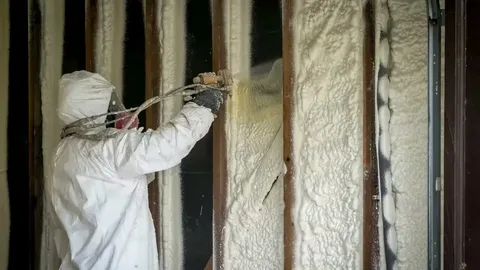
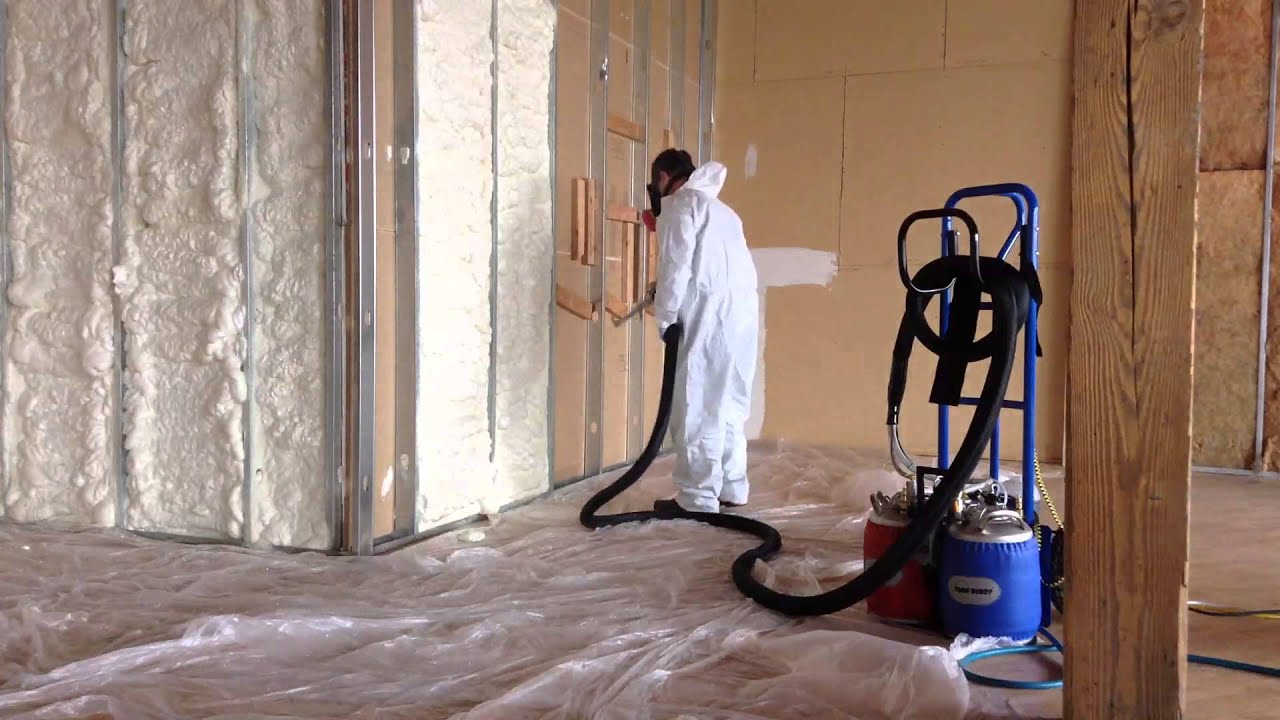
Spray foam begins as a liquid-applied material and expands after installation.
This expansion helps the material conform to framing, gaps, cracks, and other irregular areas. That makes it useful in spaces where cut insulation may be harder to fit consistently around complex shapes.
The material still needs controlled application. More expansion is not automatically better, and each building area has its own requirements.
Installers need to understand the depth, surface, cavity, and surrounding components before application.
Homeowners considering spray foam insulation in Billings, MT should think about which parts of the property actually need improved coverage rather than assuming the entire building requires the same treatment.
Compare Open-Cell and Closed-Cell Foam Carefully
Spray Pros Insulation offers both open-cell and closed-cell options.
Open-cell foam is lighter and more flexible, while closed-cell foam is denser. The appropriate choice depends on the building area, project goals, moisture conditions, required thickness, and overall insulation design.
One material should not be treated as automatically better for every situation.
For example, an interior wall application may have different priorities from a crawl space, roofline, metal building, or exterior-facing assembly.
Property owners should ask why a particular foam type is being recommended for a specific location. Understanding the reason behind the material choice makes it easier to evaluate the project instead of selecting based only on price.
Check Existing Moisture Before Sealing Cavities
Air sealing and moisture control are connected, but spray foam should not be used to hide an active leak.
Roof leaks, plumbing problems, standing water, damp framing, or exterior drainage issues should be investigated before insulation covers the area.
Moisture staining can provide useful clues about previous water movement. Homeowners should mention any history of leaks even when the surface currently looks dry.
If damaged material is found during preparation, the source should be addressed first.
Sealing a cavity without understanding why it became wet can make future inspection more difficult. Insulation works best as part of a dry, properly maintained building assembly.
Decide Where the Thermal Boundary Should Be
One of the most important planning decisions is determining which part of the building envelope will receive insulation.
In an attic, for example, insulation may be located at the ceiling level in one design while another project may treat the roofline differently. These approaches affect ventilation, mechanical equipment, storage, and other attic conditions.
Crawl spaces present similar questions about where air and moisture boundaries belong.
Property owners should avoid combining different insulation strategies without understanding how they interact.
A clear plan helps keep the building envelope consistent and reduces the chance of leaving gaps between insulated areas.
Remove or Address Problem Insulation First
Existing insulation does not always need to be removed, but its condition should be evaluated.
Material that is wet, contaminated, heavily disturbed, or blocking access may require attention before spray foam installation begins. Old insulation can also hide wiring, leaks, damaged framing, or other conditions that need inspection.
If existing material remains, installers need enough access to prepare the intended surface correctly.
Homeowners should not assume that new foam can simply be applied over every older insulation product.
The best approach depends on the existing material, its location, and the planned new insulation system.
Prepare Attics for Safe, Clear Access
Attics can contain stored belongings, wiring, ductwork, HVAC components, recessed fixtures, vents, and narrow working areas.
These conditions should be identified before installation day.
Homeowners may need to remove stored items or clear access paths so installers can reach the planned surfaces. Equipment that requires future servicing should also remain accessible after insulation is complete.
Spray foam should not turn routine HVAC or electrical maintenance into a difficult search through concealed equipment.
Planning service access early helps insulation improvements work alongside the other systems already present in the attic.
Keep Ventilation Decisions Part of the Plan
Insulation changes can affect how an attic, roof assembly, or other enclosed space interacts with airflow.
Existing vents should not simply be covered without understanding the intended building design. In some projects, ventilation paths remain part of the system; in others, the insulation strategy may be different.
This decision should be deliberate.
A mixture of blocked and open vents without a clear plan can create confusion about how the space is supposed to perform.
Homeowners should ask how the new insulation approach affects existing soffit, roof, or other ventilation components before application begins.
Protect Electrical and Mechanical Components
Walls, attics, crawl spaces, and utility areas often contain components that should not be blindly covered.
Electrical boxes, fixtures, wiring connections, mechanical equipment, exhaust systems, controls, and serviceable devices may all require specific clearance or future access.
Homeowners should mention recent electrical, HVAC, or plumbing work before insulation begins.
If additional upgrades are planned, it may make sense to complete those projects before spray foam is installed.
Coordinating trades can prevent recently finished insulation from being cut or disturbed immediately afterward.
Use Spray Foam During New Construction Planning
New construction provides an opportunity to coordinate insulation before finished surfaces limit access.
Framing, electrical work, plumbing, HVAC systems, and ventilation can all be reviewed while wall and roof cavities remain open.
This can make it easier to identify penetrations and irregular gaps that need attention.
Builders and property owners should still sequence the work carefully. Systems that require inspection or changes should be completed at the appropriate stage before cavities are permanently closed.
Spray foam should fit into the overall construction plan rather than being scheduled independently of every other trade.
Retrofit Older Homes With Extra Care
Existing homes can benefit from insulation improvements, but retrofits often involve more unknown conditions.
Older cavities may contain previous insulation, unusual framing, hidden repairs, outdated wiring, or signs of past moisture. Access can also be more limited than in new construction.
These factors make inspection and preparation particularly important.
A retrofit should not begin with the assumption that every cavity is clean and ready for foam.
Homeowners can provide information about previous remodeling, leak repairs, additions, or electrical upgrades to help installers understand what may be behind finished surfaces.
Consider Garages, Shops, and Metal Buildings Separately
A detached shop or metal building has different insulation needs from a conventional house.
Large open walls, roof assemblies, exposed framing, doors, and changing occupancy patterns can all affect the project.
A workshop used every day may have different comfort goals from an agricultural building or occasional storage structure.
Spray Pros Insulation serves these types of properties as well as homes, so the insulation plan should reflect how each building is actually used.
Conditioned spaces, equipment, ventilation, and moisture exposure should all be considered rather than applying a residential plan automatically to a larger outbuilding.
Plan Columbus Projects Around Building Use
Insulation should support the function of the building.
A homeowner may prioritize more consistent indoor temperatures, while a shop owner may want to reduce drafts around work areas. A commercial property may need to coordinate insulation with mechanical systems and operating schedules.
For property owners planning spray foam insulation in Columbus, MT, identifying how each space is used can help determine where insulation work should be concentrated.
The same property may contain areas with very different needs.
An attached garage, attic, basement, and living area should not automatically receive identical materials or application strategies.
Allow Proper Curing and Follow Re-Entry Guidance
Spray foam requires time to cure after application.
Property owners should follow the installer and product guidance regarding ventilation, access, and when occupants can safely return to treated areas.
Do not assume the space is ready for immediate use simply because the foam appears firm.
Project size, foam type, temperature, ventilation, and other conditions can influence the installation process.
Homeowners should discuss these requirements before work begins so temporary access arrangements can be made if necessary.
Clear expectations help prevent people from entering work areas before the installer has completed the required process.
Inspect the Finished Coverage
Once installation is complete, homeowners should understand which surfaces were treated and where the insulation boundary now sits.
Visible areas can be checked for missed sections, obvious gaps, or places where coverage differs from the planned scope.
Future contractors should also know where spray foam has been installed before cutting into walls, ceilings, or roof assemblies.
Keeping basic project records can be useful if electrical, plumbing, roofing, or HVAC work is needed later.
The finished insulation should become part of the property’s maintenance history rather than something forgotten as soon as the project ends.
Conclusion
Spray Foam Insulation can help reduce unwanted air movement by filling irregular gaps and creating more continuous coverage in suitable building areas. Strong results depend on more than the foam itself. Existing moisture, old insulation, ventilation, wiring, mechanical equipment, access, curing, and the location of the building envelope all need careful planning.
In Billings, homeowners dealing with drafts or uneven comfort can start by identifying the areas where air leakage or insulation gaps may be contributing to the problem. In Columbus, the same approach can help property owners plan insulation around homes, shops, garages, and other building types without treating every space the same.
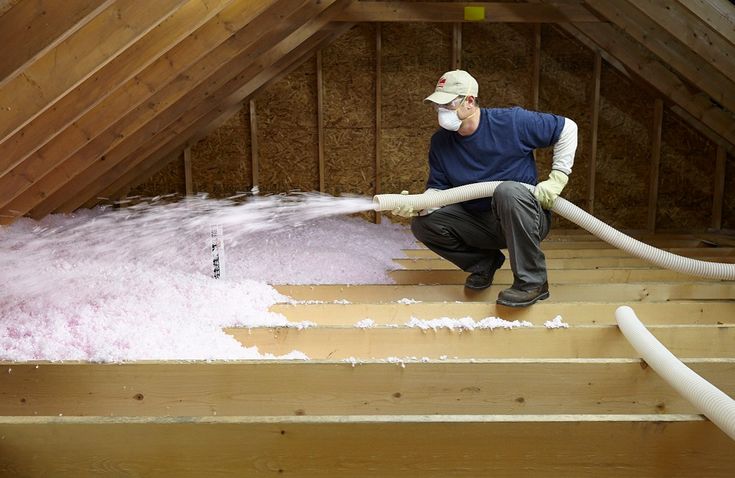
Spray Pros Insulation provides spray foam alongside blow-in and batt insulation across Montana and Northern Wyoming. Reviewing the property first and coordinating insulation with the building’s other systems can create a more practical long-term upgrade.
Frequently Asked Questions
What is Spray Foam Insulation?
Spray foam is a liquid-applied insulation material that expands after installation, allowing it to fill gaps, cracks, cavities, and irregular spaces in suitable building areas.
What is the difference between open-cell and closed-cell spray foam?
Open-cell foam is lighter and more flexible, while closed-cell foam is denser. The appropriate material depends on the location, project goals, building design, and installation requirements.
Can spray foam be installed over existing insulation?
That depends on the condition and type of the existing material. Wet, damaged, contaminated, or obstructive insulation may need to be addressed before new foam is installed.
Can Spray Foam Insulation stop a roof or plumbing leak?
No. Active water sources should be repaired before insulation is applied. Spray foam should not be used as a substitute for correcting leaks or drainage problems.
Where can spray foam be installed?
The company’s service page lists applications including attics, crawl spaces, basements, walls, shops, barns, metal buildings, and other residential, commercial, and agricultural spaces.
What should I do before spray foam installation?
Clear required access areas, identify known moisture or leak problems, mention recent electrical or HVAC work, discuss existing insulation, and confirm curing and re-entry instructions before the project begins.