Plan a Blow In Insulation in Cody, WY for attic gaps, uneven temperatures, loose-fill coverage, material choices, access, settling, and year-round comfort.
Insulation gaps in an attic can show up as rooms that are harder to keep comfortable, noticeable temperature differences between floors, or heating and cooling equipment that seems to run frequently. Older properties may have insulation that has settled, shifted, or simply does not provide consistent coverage across the entire attic floor. Spray Pros Insulation provides insulation services for homes, businesses, and agricultural buildings across Montana and Northern Wyoming.
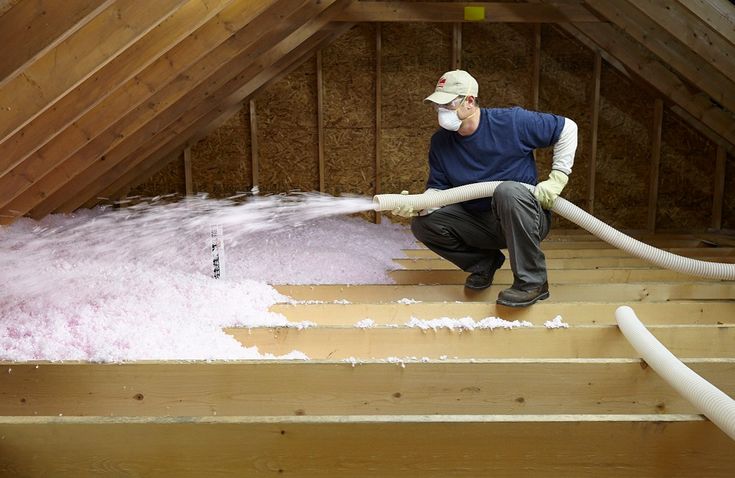
Blow In Insulation can be useful when homeowners need to add loose-fill material across open attic areas or reach spaces where fitted insulation would be difficult to place evenly. The material is distributed using specialized equipment, allowing installers to build coverage around framing and other attic features. Before installation begins, however, the existing insulation, air leakage, moisture, ventilation, electrical components, and access conditions should all be reviewed. Adding more material without understanding those conditions can cover problems that deserve attention first.
Why Attic Coverage Can Become Uneven Over Time
The company’s dedicated Blow In Insulation service uses loose-fill cellulose and fiberglass for attics, wall cavities, and other areas where consistent coverage is needed.
Existing attic insulation does not always remain perfectly uniform. Material may settle over time, get moved during electrical or HVAC work, or be disturbed near access openings. Some older installations may also have areas where insulation was never distributed evenly in the first place.
Low spots can reduce thermal consistency because some sections of the ceiling assembly have less insulation than others. Homeowners may notice that certain rooms feel colder in winter or warmer during summer even though the HVAC system is operating normally.
An attic inspection can help identify whether additional material is appropriate or whether another condition is contributing to the comfort problem.
Air Leaks Should Be Reviewed Before Adding More Material
Insulation and air sealing serve related but different purposes.
Loose-fill insulation slows heat transfer through the building assembly, but it does not automatically stop every air leak around plumbing penetrations, wiring openings, attic hatches, framing gaps, or other pathways.
If conditioned indoor air is escaping through openings into the attic, simply adding more insulation may leave those leakage paths in place.
Before new material is installed, accessible gaps may need to be identified so air movement can be addressed where appropriate. This is especially useful when the attic is already open and accessible.
Homeowners planning Blow In Insulation in Cody, WY can benefit from looking at both insulation depth and air leakage instead of assuming that every comfort problem is caused by insufficient material alone.
Cellulose and Fiberglass Offer Different Characteristics
Spray Pros Insulation identifies cellulose and fiberglass as materials used for blow-in applications.
Both are installed as loose-fill insulation, but they have different physical characteristics. Homeowners should consider the existing insulation, project area, desired coverage, building conditions, and installation plan rather than selecting material only by price.
Cellulose is commonly made from processed fiber material and can settle around irregular framing. Fiberglass loose fill consists of small glass fibers distributed through the intended space.
The appropriate choice can depend on what is already present in the attic and whether the project involves adding coverage over an existing layer or insulating a previously unfinished space.
Material selection should also account for the required insulation level and the way the attic is constructed.
Attic Ventilation Should Remain Functional
Adding insulation should not block ventilation paths that are intended to move air through the attic.
Soffit vents, roof vents, and other ventilation components can be affected if loose material is placed where airflow needs to remain open. Baffles or other protective details may be needed in certain areas to keep insulation from covering ventilation openings.
This is why installers should understand the attic layout before distributing material.
Homeowners should also avoid assuming that more ventilation is always better. The appropriate ventilation arrangement depends on the building design and local requirements.
The main goal during insulation work is to avoid interfering with existing ventilation components while creating consistent thermal coverage across the intended areas.
Moisture Problems Need Attention Before Insulation
Water and insulation should not be treated as separate concerns when moisture is already present.
Roof leaks, plumbing leaks, condensation, or other moisture sources can affect attic materials and framing. Adding fresh insulation over a damp area can make the underlying problem harder to see.
Before installation, homeowners should look for roof staining, wet materials, unusual odors, discolored wood, or other signs of moisture.
If water intrusion is discovered, the source should be addressed before the attic is covered with additional loose-fill material.
Insulation can improve thermal performance, but it should not be expected to solve a roof leak or another active moisture problem.
Prepare Attic Access Before Installation
Blow-in installation requires equipment access and a workable path into the attic.
Homeowners can help by clearing belongings from around attic stairs, access panels, closets, garages, or other entry locations. If the attic contains stored items, those belongings may also need to be moved away from the areas receiving insulation.
The installer needs enough space to distribute material around framing and other attic features while avoiding components that should remain exposed.
Access planning is especially important in older properties where attic openings may be small or located inside finished rooms.
Preparing the work area before installation can reduce unnecessary disruption and make it easier to create even coverage.
Keep Important Electrical Components Visible
Attics often contain wiring, junction boxes, recessed lighting, HVAC equipment, and other electrical components.
Insulation should not simply be buried around every item without considering clearance or access requirements. Some fixtures and equipment have specific installation conditions that affect how insulation can be placed nearby.
Homeowners should tell the insulation contractor about any recent electrical work or known equipment in the attic.
If future servicing is likely, maintaining reasonable access can also make maintenance easier. An electrician or HVAC technician should not have to search blindly through deep loose-fill material for equipment that needs regular attention.
Planning around these components helps insulation and other building systems work together more effectively.
Adding Insulation During a Remodel
Renovation work can be a useful time to evaluate attic insulation because walls, ceilings, or other building areas may already be undergoing changes.
Electrical upgrades, HVAC work, ceiling repairs, and additions can all disturb existing material. Inspecting coverage after those projects helps identify areas that need to be restored or improved.
The sequence matters. It often makes sense to complete work that requires attic access before adding the final layer of loose-fill insulation.
For property owners planning attic insulation improvements in Laurel, MT, coordinating insulation with remodeling can reduce the chance that newly installed material will immediately be disturbed by another contractor.
Finishing insulation after major attic work also allows the final coverage to be inspected more easily.
Avoid Covering Problems With Extra Insulation
More insulation is not automatically the solution when a room feels uncomfortable.
Air leakage, duct problems, windows, HVAC performance, sun exposure, and other building conditions can create temperature differences that resemble an insulation problem.
An attic may already contain a reasonable amount of insulation while one room remains difficult to heat because a duct connection is damaged or airflow is limited.
Homeowners should describe the full problem instead of requesting additional material based only on one symptom.
Spray Pros Insulation works with several insulation systems, allowing the existing property conditions to be considered before deciding whether blow-in material is the appropriate option.
Understand Settling and Future Attic Work
Loose-fill insulation can settle over time, which is one reason installation depth and coverage should follow the requirements of the selected material and project.
Homeowners should avoid walking through insulated attic areas unless proper access is available. Foot traffic can compress or displace material and create low spots.
Future contractors working on wiring, HVAC equipment, or roofing-related components may also disturb insulation. After major attic work, it can be useful to check whether coverage remains even.
If material has been moved significantly, it may need to be redistributed or supplemented rather than leaving exposed areas around the work zone.
Keeping photographs or project information from the original installation can help homeowners understand how the attic was intended to look.
Think About More Than Energy Bills
Homeowners often consider insulation because they want to reduce heating and cooling losses, but comfort is another important factor.
More consistent attic coverage can help limit heat transfer between conditioned rooms and the attic, which may reduce uncomfortable temperature swings in parts of the home.
Results still depend on the entire building. HVAC condition, air sealing, windows, doors, orientation, and occupant habits all influence indoor comfort and energy use.
For that reason, specific savings should not be promised based on insulation alone.
A better goal is to identify weak thermal areas and improve the building assembly where conditions support additional insulation.
Conclusion
Blow In Insulation can be a practical way to improve loose-fill coverage in attics, wall cavities, and other accessible areas where gaps or under-insulated sections are present. Successful installation depends on more than adding material. Existing insulation, air leakage, moisture, ventilation, electrical components, access, and future attic work all deserve attention first.
In Cody, homeowners dealing with uneven attic coverage or temperature differences can benefit from inspecting the existing conditions before adding new material. In Laurel, the same approach can help property owners determine whether cellulose or fiberglass loose fill fits the building and renovation plan.
Spray Pros Insulation provides blow-in, spray foam, and batt insulation across Montana and Northern Wyoming. Starting with an inspection and correcting problems before new insulation is installed can help create more consistent coverage and make future maintenance easier.
Frequently Asked Questions
What is Blow In Insulation?
Blow In Insulation is loose-fill material installed with specialized equipment to distribute insulation across attics, wall cavities, and other spaces. Spray Pros Insulation identifies cellulose and fiberglass as its blow-in material options.
When should additional attic insulation be considered?
Additional material may be appropriate when existing insulation is thin, uneven, disturbed, or insufficient for the planned building performance. The attic should still be inspected for air leaks, moisture, and other problems first.
Can Blow In Insulation be installed over existing insulation?
In some situations, loose-fill material can be added over existing insulation. The condition, material type, moisture level, and current coverage should be evaluated before new insulation is placed.
Does blow-in insulation stop air leaks?
It can reduce heat transfer, but it should not be treated as a replacement for dedicated air sealing. Gaps around penetrations and attic openings may still need separate attention.
Will loose-fill insulation settle over time?
Loose-fill materials can experience some settling. Correct installation depth and even distribution are important, and attic areas should be checked after major work that may disturb the insulation.
What should I do before a Blow In Insulation appointment?
Clear the attic access area, move stored belongings away from planned work zones, mention recent electrical or HVAC work, and identify any known roof leaks or moisture problems before installation begins.