Improve comfort with blow-in insulation in Billings, MT. Learn about attic coverage, cellulose, fiberglass, air sealing, installation, and maintenance.
A well-insulated building is easier to keep comfortable because heat moves more slowly through ceilings, walls, and other parts of the building envelope. When insulation settles, becomes damaged, or never provided enough coverage, rooms may feel uneven and heating or cooling systems may need to work harder. Blow-in insulation offers a practical way to add thermal coverage in attics, wall cavities, and other spaces where loose-fill material can reach areas that are difficult to cover evenly with rigid products.
Spray Pros Insulation provides spray foam, blow-in, and batt insulation for residential, commercial, and agricultural properties across Montana and Northern Wyoming. The company uses cellulose and fiberglass blow-in materials for attics, walls, ceilings, and retrofit projects. A successful upgrade begins with evaluating existing insulation, checking for moisture or air leakage, and deciding how much additional material the space actually needs.
What Professional Blow-In Insulation Includes
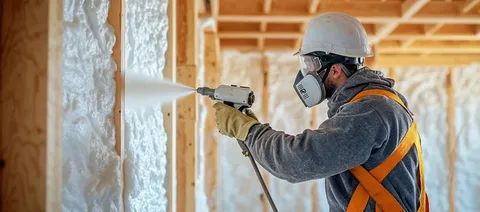
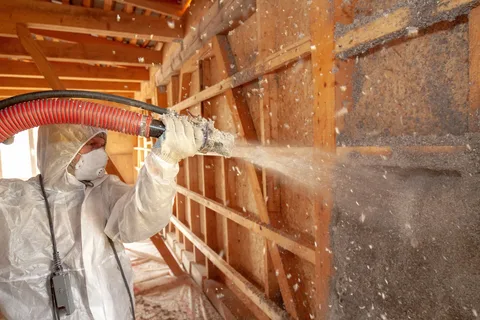
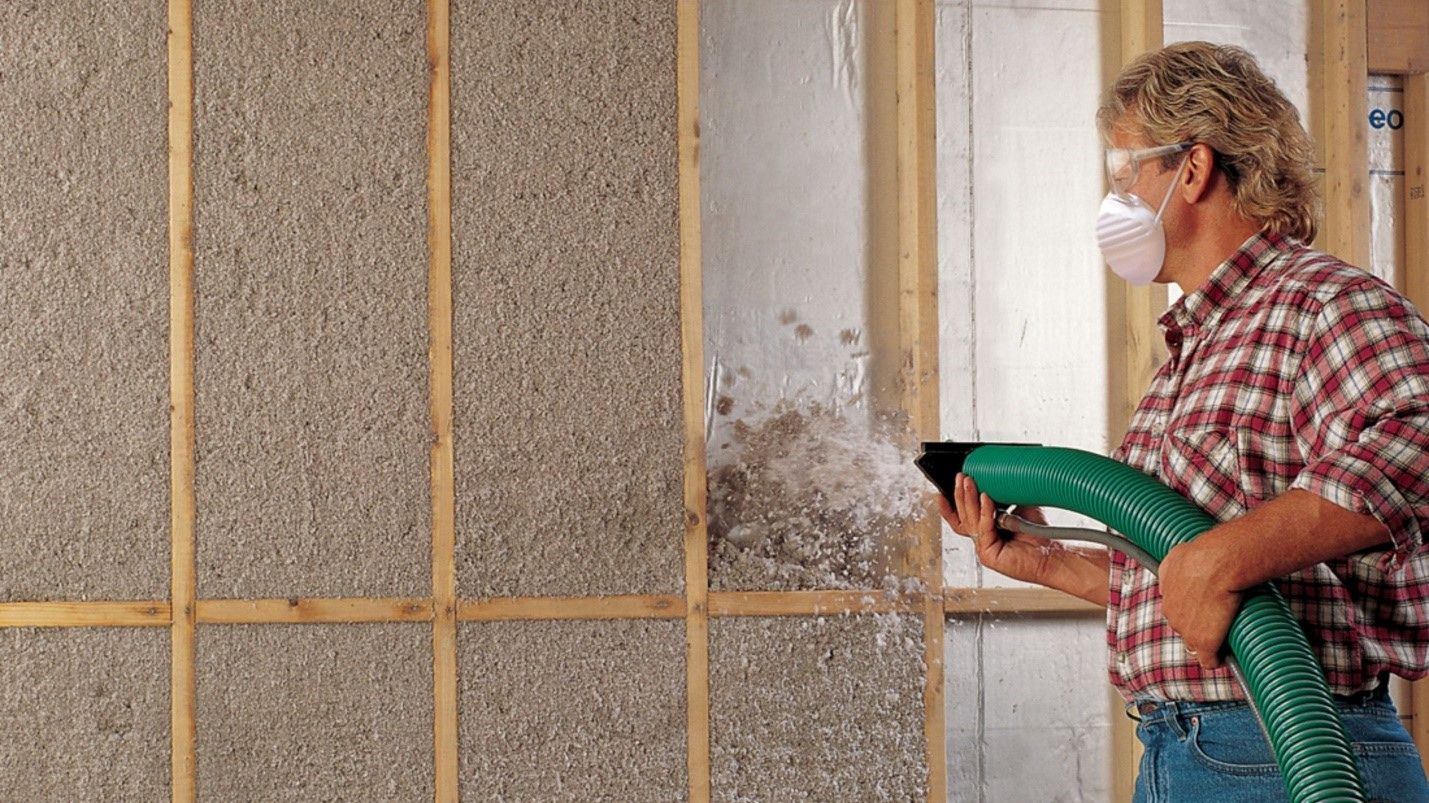
Professional blow-in insulation services use specialized equipment to distribute loose insulation into accessible building cavities. The material is fed through a hose and placed at a controlled depth or density so the completed layer provides consistent coverage.
Depending on the project, the process may include:
- Inspecting existing insulation
- Measuring accessible areas
- Checking for moisture damage
- Identifying large air leaks
- Protecting access paths and equipment
- Preparing attic or wall cavities
- Installing cellulose or fiberglass
- Monitoring installed depth
- Keeping ventilation paths clear
- Cleaning the work area afterward
Blow-in insulation is especially useful for attic retrofits because loose material can settle around framing and many irregular spaces. It can also be used in some wall cavities when access can be created without removing large areas of finished surfaces.
Attic Blow-In Insulation in Billings, MT
Homeowners considering attic blow-in insulation in Billings, MT should begin with an inspection of the attic rather than simply adding material over whatever is already there.
The Billings area page confirms that Spray Pros Insulation provides spray foam, blow-in, and batt insulation for homes, businesses, garages, barns, and other buildings. It specifically presents blow-in insulation as a practical option for attics and hard-to-reach areas where additional coverage can improve thermal performance.
Existing insulation should be checked for moisture, contamination, heavy compression, or displacement. Wet insulation should not simply be buried under a new layer because the moisture source may continue affecting the structure.
Understanding Cellulose Blow-In Insulation
Cellulose blow-in insulation is commonly made from processed fiber and is installed as loose-fill material. It can conform around framing, wiring, and irregular attic areas when applied correctly.
Cellulose is often considered for retrofit work because it can be added over some existing insulation or installed into suitable enclosed cavities. Installation density matters because loose-fill material can settle over time if the project is not planned correctly.
Property owners should ask how installed depth and density will be determined. More material is not automatically better if ventilation openings, equipment clearances, or access points become buried.
The insulation should create a continuous thermal layer while respecting the building systems that still need airflow, service access, or required clearance.
Fiberglass Blow-In Insulation
Fiberglass blow-in insulation uses loose glass fibers instead of pre-cut batts. Like cellulose, it can be distributed across attic floors and into irregular spaces with specialized equipment.
Fiberglass loose-fill is lightweight and can be useful when an attic needs broader coverage around framing and existing materials. The quality of installation depends on maintaining a consistent depth and avoiding areas where the insulation is too thin.
The installer should also prevent loose material from blocking attic ventilation or entering equipment that needs to remain clear.
Why Air Sealing Should Be Considered First
Insulation slows heat transfer, but it does not automatically stop uncontrolled air movement through every crack or opening.
Attics can contain gaps around plumbing penetrations, electrical wiring, ceiling openings, top plates, access hatches, and other transitions. If significant air leakage is present, simply covering those locations with loose insulation may not address the underlying draft.
Appropriate air sealing can often be completed before new insulation is installed. This helps create a better boundary between conditioned living space and the attic.
Blown-In Attic Insulation and Ventilation
A well-insulated attic still needs appropriate ventilation where the roof design requires it.
Soffit vents, ridge vents, roof vents, and other ventilation components help manage attic conditions. Loose insulation should not be allowed to cover openings that are intended to move air.
Baffles or other protective measures may be used near eaves to preserve ventilation pathways while allowing insulation to extend toward exterior walls.
Homeowners should also ensure that bathroom or kitchen exhaust ducts are properly routed rather than terminating into the attic space. Warm, moist exhaust air can create conditions that insulation alone cannot solve.
Cellulose Blow-In Insulation in Columbus, MT
Property owners considering cellulose blow-in insulation in Columbus, MT can use loose-fill insulation for attic upgrades, selected wall applications, and other areas where full coverage is needed without extensive demolition.
The Columbus page confirms that Spray Pros Insulation serves local homes and businesses with spray foam, blow-in, and batt insulation. It presents blow-in systems as an option for improving existing insulation and overall building comfort.
When Existing Insulation Can Stay
Adding blow-in insulation does not always require removing all existing material.
Dry, clean, and serviceable insulation may sometimes remain in place while additional coverage is installed above it. The existing material should still be evaluated for condition and compatibility with the planned system.
Removal may be more appropriate when insulation is wet, contaminated, damaged by pests, heavily compacted, or affected by another problem that should not be concealed.
If rodent activity or moisture has damaged attic materials, the source should be corrected first. Adding fresh insulation without addressing those conditions can create a clean-looking surface over an unresolved problem.
Blow-In Insulation for Existing Walls
Loose-fill insulation can sometimes be installed into enclosed wall cavities through carefully planned access points. This can make it useful for older buildings where walls are under-insulated but the owner does not want to remove all interior finishes.
Wall work requires more control than open-attic installation. The installer needs to consider cavity size, blocking, fire stops, wiring, plumbing, existing insulation, and whether the material can distribute evenly.
Some cavities may not accept blown insulation effectively without further access.
New Construction and Blow-In Insulation
Blow-in insulation is not limited to older homes. It can also be used in new construction when the building design and assembly are suitable.
Open attic spaces can receive loose-fill insulation after air sealing and other rough work are complete. Certain wall systems may also use dense-packed or specialized blown applications depending on the project.
New construction provides the advantage of planning insulation before finishes hide framing, utilities, and air leakage points.
Builders should coordinate insulation timing with electrical, plumbing, HVAC, drywall, and ventilation work. Insulating too early can lead to disturbance when other trades return to the space.
Signs Your Property May Need More Insulation
Several conditions can suggest that an insulation evaluation is worthwhile.
Common signs include:
- Rooms that are difficult to keep comfortable
- Noticeable drafts
- Thin or uneven attic insulation
- Areas where insulation has been displaced
- High heating or cooling demand
- Cold ceilings or upper walls
- Previous attic moisture problems
- Recent remodeling that disturbed insulation
- Older construction with limited coverage
- Large temperature differences between floors
These symptoms can also have other causes, including duct problems, windows, HVAC performance, or air leakage.
Preparing an Attic for Blow-In Insulation
Preparation helps the installation go smoothly and protects important components.
Before work begins, homeowners should remove stored items that block access and identify any equipment located in the attic. Access hatches, walkways, electrical components, recessed fixtures, and ventilation openings may require special attention.
If old insulation needs removal, that work should happen before air sealing and new installation.
A clean, accessible attic allows the installer to place material more consistently and reduces the chance that important areas are missed.
Common Blow-In Insulation Mistakes
Several installation mistakes can reduce performance.
Common problems include:
- Installing uneven depth
- Blocking soffit vents
- Covering equipment that needs clearance
- Ignoring moisture damage
- Skipping major air leaks
- Burying electrical concerns without evaluation
- Installing over contaminated insulation
- Leaving thin areas near attic edges
- Disturbing material after installation
- Failing to document installed depth
A professional installation should address these details before the project is complete.
The finished surface does not need to look perfectly smooth, but coverage should be consistent enough to provide the intended thermal layer across the insulated area.
Maintaining Blow-In Insulation After Installation
Blow-in insulation generally requires little routine handling. In fact, unnecessary walking or moving through insulated attic areas can disturb coverage.
Homeowners should inspect the attic after roof work, electrical service, plumbing repairs, or other projects that may have displaced material. Contractors working in the attic should restore insulation around areas they disturb when appropriate.
Moisture also deserves attention. A roof leak or plumbing problem can damage loose-fill insulation and surrounding materials.
If material becomes wet, heavily compressed, or contaminated, professional evaluation can determine whether a section needs removal or replacement.
Questions to Ask Before Installation
Useful questions include:
- Which material is recommended?
- How much existing insulation can remain?
- Is removal needed anywhere?
- Will air sealing be completed first?
- How will ventilation openings be protected?
- What installed depth is planned?
- How are attic access areas handled?
- Can wall cavities be insulated?
- What happens around electrical equipment?
- How is moisture damage addressed?
- Will the final coverage be inspected?
- What maintenance is recommended later?
Clear answers help homeowners understand the complete project rather than comparing only the price per square foot.
Conclusion
Blow-in insulation can provide broad, continuous coverage in attics, selected wall cavities, and other difficult-to-reach spaces. Cellulose and fiberglass systems each offer practical options for retrofit work, new construction, residential properties, and commercial buildings.
The quality of the result depends on more than the insulation material itself. Existing conditions, air leakage, moisture, ventilation, electrical clearances, installed depth, and workmanship all influence performance.
Property owners should begin with an inspection, correct active moisture problems, address appropriate air leaks, and protect required ventilation before new insulation is installed.
When properly planned and installed, blow-in insulation can strengthen the thermal layer of the building, reduce drafts, and support more consistent indoor comfort throughout the year.
Frequently Asked Questions
What is blow-in insulation made from?
Blow-in insulation is commonly made from cellulose or loose fiberglass. Both materials are installed with specialized equipment and can provide coverage in attics, wall cavities, and other accessible spaces.
Is blow-in insulation good for older homes?
Yes, it can be useful for older homes with thin or uneven insulation, especially in attics or suitable wall cavities. Existing conditions should be inspected before new material is added.
Can blow-in insulation be installed over old insulation?
Sometimes. Existing insulation may remain when it is dry, clean, and serviceable. Wet, contaminated, or badly damaged material may need removal before new insulation is installed.
Does blow-in insulation stop all drafts?
No. Insulation reduces heat transfer, but significant air leaks may still need sealing. Air sealing and insulation often work best when they are planned together.
How do I know if my attic needs more insulation?
Thin coverage, uneven material, drafts, temperature differences, or disturbed insulation can justify an evaluation. A professional can inspect the attic and recommend whether additional coverage is useful.
Should attic vents be covered with blow-in insulation?
No. Required ventilation openings should remain clear. Proper installation may use baffles or other methods to protect airflow while still providing insulation near attic edges.