Learn how blown-in insulation installation improves attic and wall performance, reduces heat loss, and supports more consistent indoor comfort in Montana homes.
Cold winters and changing temperatures can expose weak spots in a home’s insulation. Uneven coverage, thin insulation, and gaps around attic areas can make rooms harder to keep comfortable. Spray Pros Insulation helps homeowners understand how insulation choices affect energy use and indoor comfort.
For homeowners considering blown-in insulation installation in Billings and Huntley, MT, the first step is understanding where insulation is needed and how the existing insulation performs. Blown-in materials can fill irregular spaces and create more consistent coverage when installed correctly.
Why Blown-In Insulation Installation Matters
Insulation slows the movement of heat between conditioned indoor areas and the outdoors. During Montana winters, it helps reduce heat escaping through the building envelope. During warmer months, it can also help limit unwanted heat entering the home.
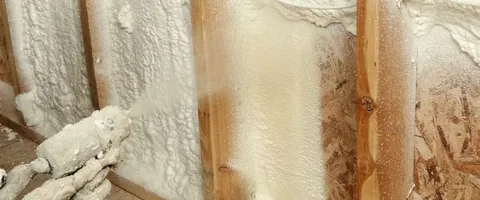
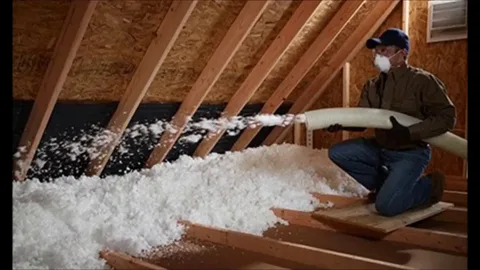
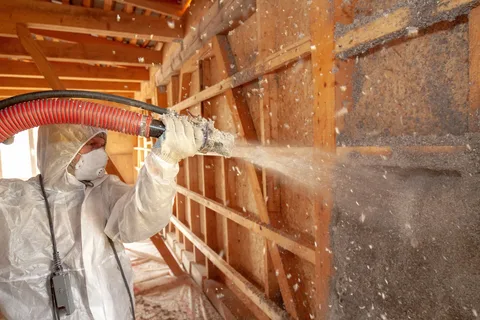
Blown-in insulation can be useful because installers can distribute loose insulation across areas with irregular shapes, gaps, and obstacles.
Potential benefits include:
- More consistent attic coverage
- Reduced heat transfer
- Fewer insulation gaps
- Better temperature control
- Improved energy efficiency
- Added resistance to outdoor temperature changes
The results depend on the material, installation depth, building design, air sealing, and overall condition of the home’s envelope.
How Blown-In Insulation Installation Works
A typical project begins with an evaluation of the area that needs insulation. The installer looks at existing materials, accessible spaces, ventilation, and potential air leakage.
The installation process may involve:
- Inspecting the attic or wall cavity.
- Identifying gaps and areas with inadequate insulation.
- Addressing appropriate air-sealing concerns.
- Preparing the insulation equipment.
- Distributing loose-fill material into the target area.
- Checking coverage and depth.
- Reviewing the finished installation.
Proper coverage matters because thin areas can reduce the overall performance of an insulation system.
Where Blown-In Insulation Can Be Used
Blown-in insulation installation in billings MT often works well in spaces where traditional batts may be difficult to fit.
Common applications include:
- Attics
- Existing wall cavities
- Areas with irregular framing
- Hard-to-reach sections
- Renovation projects
- Spaces where insulation has settled or become uneven
The right application depends on the home’s construction and the condition of the existing insulation.
Comparing Common Insulation Options
Homeowners often compare blown-in insulation with batt insulation before starting a project.
| Feature | Blown-In Insulation | Batt Insulation |
| Material form | Loose fibers or particles | Pre-cut or rolled sections |
| Irregular spaces | Can fill around obstacles | Requires careful cutting |
| Existing wall cavities | Can work in suitable cavities | Usually easier during open-wall construction |
| Attic coverage | Useful for broad areas | Requires fitting between framing |
| Installation method | Blown through specialized equipment | Placed and fitted manually |
Neither option works best for every home. Existing construction, access, desired insulation level, and project scope all influence the decision.
Choosing the Best Blow-In Insulation for Homes
What Makes the Best Blow-In Insulation for Homes?
There is no single material that works best in every property. Homeowners should consider the insulation’s thermal performance, application, building conditions, and installation requirements.
Important factors include:
- R-value
- Material type
- Target insulation depth
- Moisture conditions
- Existing insulation
- Attic ventilation
- Air leakage
- Building design
A professional assessment can help determine which material and installation approach fit the home.
Air Sealing and Insulation Work Together
Adding blow-in insulation contractors near me in huntley mt without addressing major air leaks can limit the improvement. Air can move through gaps around plumbing penetrations, electrical fixtures, framing joints, and other openings.
Before adding insulation, homeowners should ask whether the project includes an assessment of areas where unwanted air movement may occur.
Common areas to check include:
- Attic access panels
- Plumbing penetrations
- Electrical openings
- Duct penetrations
- Wall-to-ceiling connections
- Framing gaps
The insulation controls heat transfer, while air sealing addresses unwanted air movement. Both can matter for overall building performance.
Signs Your Home May Need More Insulation
A homeowner may notice several clues that insulation performance needs attention.
Look for:
- Rooms that stay colder than others
- Large temperature differences between floors
- High heating demand
- Drafty areas
- Thin or uneven attic insulation
- Ice buildup concerns during winter
- Heating or cooling systems running frequently
These signs can have multiple causes, so insulation should not automatically be blamed without evaluating the building as a whole.
Common Insulation Mistakes
Homeowners can run into problems when insulation gets installed without considering the surrounding building components.
Common mistakes include:
- Covering ventilation pathways
- Installing over wet or damaged materials
- Ignoring major air leaks
- Assuming more insulation always solves comfort issues
- Failing to check insulation depth
- Blocking access to important equipment
- Choosing material based only on price
Proper planning helps avoid problems that may reduce the performance of the finished system.
Best Practices for Blown-In Insulation
A quality insulation project should account for the entire area rather than focusing only on visible gaps.
Best practices include:
- Inspect the existing insulation first
- Address appropriate air leaks
- Maintain required ventilation
- Install the correct material depth
- Keep access points functional
- Protect important building components
- Check coverage after installation
- Follow applicable installation requirements
Homeowners should also keep records of the insulation material and installation details for future maintenance or remodeling.
Choosing Blow-In Insulation Contractors Near Me
When searching for blow-in insulation contractors near me, homeowners should look beyond the quoted price.
Consider:
- Experience with residential insulation
- Knowledge of local building conditions
- Clear project scope
- Material specifications
- Installation process
- Safety practices
- Explanation of expected results
Ask what areas the contractor will inspect and how they will handle existing insulation before the new material goes in.
Actionable Tips Before Installation
Before scheduling a project, homeowners can:
- Check the attic for visible insulation gaps.
- Note rooms that feel unusually cold or hot.
- Review recent heating and energy concerns.
- Ask about the existing insulation material.
- Identify attic ventilation components.
- Ask what insulation depth the project will target.
- Confirm how air leakage will be addressed.
- Keep documentation of the completed work.
These steps help homeowners understand what the project should accomplish.
Conclusion
Proper Best blow-in insulation for homes can improve how a home handles temperature changes by providing more consistent insulation coverage in suitable attic and wall spaces. For homeowners in Billings and Huntley, MT, the effectiveness of the project depends on material selection, coverage, installation depth, air sealing, and existing building conditions.
Spray Pros Insulation provides insulation services for local homeowners and can evaluate the factors that affect an insulation project. Understanding the home’s existing insulation and addressing installation details before work begins can help homeowners make practical decisions about improving indoor comfort.
FAQs
1. What is blown-in insulation?
Blown-in insulation consists of loose insulation material that installers distribute using specialized equipment. It can fill suitable attic spaces and existing wall cavities.
2. Is blown-in insulation good for attics?
It can work well in attics because installers can distribute loose material across broad areas and around certain framing obstacles. Proper depth and ventilation remain important.
3. How do I choose the best blow-in insulation for homes?
Consider the material’s R-value, application, moisture conditions, target depth, existing insulation, and the home’s construction. A professional assessment can help determine the appropriate option.
4. Can blown-in insulation reduce drafts?
Insulation can reduce heat transfer, but drafts often involve air leakage. Sealing appropriate gaps may need to occur alongside insulation work.
5. How do I find blow-in insulation contractors near me?
Look for contractors with residential insulation experience, clear project scopes, appropriate equipment, and the ability to explain material selection, coverage, and installation requirements.