Discover Right how long blown-in insulation lasts in Miles City, MT, including lifespan by material type, local climate impact, maintenance tips, and when replacement may be needed.
Blown-in insulation is a common and effective choice for homes in Miles City, MT, where cold winters and temperature fluctuations make energy efficiency a priority. Homeowners often ask how long blown-in insulation actually lasts and whether it needs frequent replacement. The answer depends on the type of insulation used, installation quality, and how well it is protected from moisture and damage over time.
Average Lifespan of Blown-In Insulation
Blown-in insulation is designed to be a long-term solution for residential energy efficiency. When installed correctly, most blown-in insulation materials last between 20 and 30 years, with some types lasting even longer. While insulation does not expire like mechanical systems, its effectiveness can gradually decline if it settles, becomes compressed, or is exposed to moisture.
Lifespan by Insulation Material
Different blown-in insulation materials have different durability levels, which affects how long they perform effectively in a Miles City home.
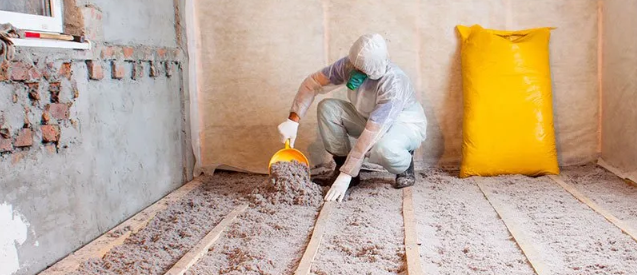
Cellulose blown-in insulation typically lasts around 20 to 30 years. It is made from recycled paper products treated with fire-resistant chemicals. Over time, cellulose may settle slightly, which can reduce its insulating value if it was not installed at the correct density.
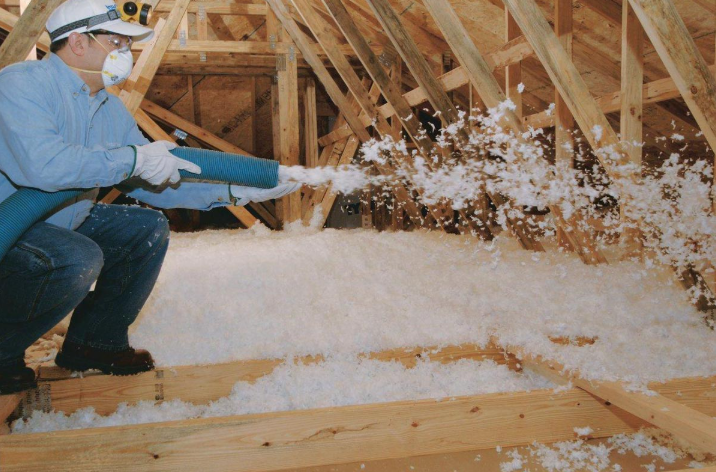
Fiberglass blown-in insulation can last 20 to 30 years or more. It resists moisture better than cellulose and does not decompose, allowing it to maintain its structure and insulating ability for decades when kept dry Top.How Long Does Blown-In Insulation Las? in Miles City, MT
Mineral wool, also known as rock wool, is one of the most durable blown-in insulation options. It often lasts 30 years or longer due to its resistance to moisture, fire, and pests, making it well suited for long-term performance.
How Miles City, MT Climate Affects Insulation Longevity
Miles City experiences cold winters, strong winds, and seasonal temperature swings. These conditions increase the importance of proper insulation but do not significantly shorten insulation lifespan on their own. Blown-in insulation performs well in this climate when the attic or wall cavities are properly sealed and ventilated to prevent moisture buildup and heat loss.
Factors That Can Reduce Insulation Lifespan
Several issues can cause blown-in insulation to lose effectiveness sooner than expected.
Moisture intrusion from roof leaks, plumbing issues, or poor ventilation is the biggest threat to insulation longevity. Wet insulation clumps together and loses its ability to trap air.
Poor installation can lead to uneven coverage or low density, causing insulation to settle faster and leave gaps.
Pest activity, such as rodents nesting in insulation, can disturb and compress the material.
Physical compression from stored items or foot traffic in the attic can reduce insulation performance over time Best.How Long Does Blown-In Insulation Last? in Miles City, MT
Signs Your Blown-In Insulation May Need Attention
Even if insulation is still within its expected lifespan, certain warning signs may indicate reduced effectiveness.
Uneven indoor temperatures between rooms
Rising heating or cooling bills
Visible settling or thin insulation layers in the attic
Moisture stains, mold, or musty odors
Drafts or cold spots during winter
In many cases, adding more blown-in insulation can restore performance without full replacement Affordable.How Long Does Blown-In Insulation Last? in Miles City, MT
How to Extend the Life of Blown-In Insulation
Homeowners in Miles City can maximize insulation lifespan with a few preventative steps.
Seal air leaks before installing insulation to reduce airflow and moisture movement.
Maintain proper attic ventilation to control condensation.
Repair roof and plumbing leaks promptly.
Schedule periodic attic inspections to monitor insulation depth and condition.
Avoid compressing insulation with stored items.
FAQs
How long does blown-in insulation last in Miles City, MT?
Blown-in insulation typically lasts 20 to 30 years or more when properly installed and protected from moisture and damage.
Does blown-in insulation need to be replaced after a certain time?
There is no fixed replacement schedule. Insulation should be evaluated based on performance, settling, and condition rather than age alone.
Which blown-in insulation lasts the longest?
Mineral wool generally lasts the longest, often exceeding 30 years, followed by fiberglass and then cellulose.
Can old blown-in insulation be topped up instead of replaced?
Yes, in many cases additional insulation can be added over existing material to improve energy efficiency without full removal.
Does blown-in insulation lose R-value over time?
The material itself does not lose R-value, but settling, moisture, or compression can reduce its effective insulation performance.
Conclusion
Professional blown-in insulation is a long-lasting In Miles City, MT and reliable solution for improving home comfort and energy efficiency. Most blown-in insulation lasts between 20 and 30 years, with some materials performing even longer under the right conditions. Proper installation, moisture control, and occasional inspections play a key role in ensuring insulation continues to perform effectively for decades.