Discover the best materials for blown-in insulation in Hardin MT. Learn about cellulose, fiberglass, and mineral wool for energy-efficient home comfort.
When it comes to keeping your home warm in the winter and cool in the summer, insulation plays a vital role. For homeowners in Hardin, Montana, blown-in insulation is one of the most effective and energy-efficient options available. But with different materials on the market, it’s important to know which one works best for your specific home and climate. Choosing the Affordable materials for blown-in insulation in Hardin MT ensures better comfort, lower energy bills, and long-lasting performance.
What Is Blown-In Insulation
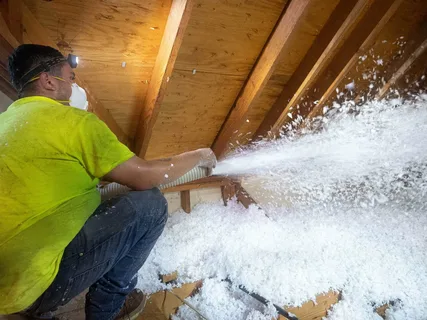
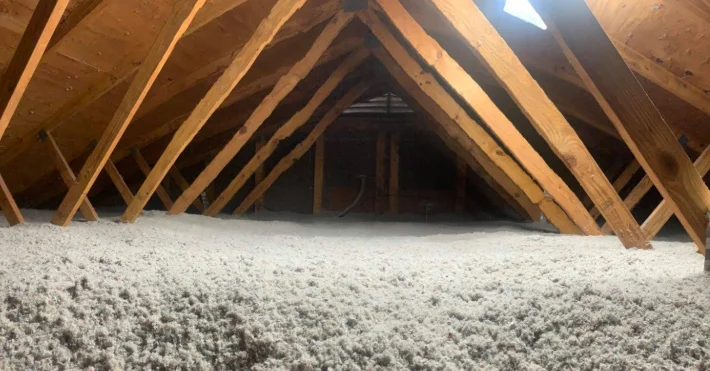
Blown-in insulation, also known as loose-fill insulation, consists of small particles of insulating material that are blown into wall cavities, attics, or floors using special equipment. This method allows the insulation to fill every small gap and crevice, providing excellent coverage and thermal resistance. It’s ideal for both new homes and retrofitting older properties where batt or roll insulation may not fit properly.
Why Blown-In Insulation Is Ideal for Hardin MT Homes
Hardin experiences cold winters and warm summers, making efficient insulation essential for year-round comfort. Blown-in insulation provides a consistent thermal barrier that reduces heat transfer and improves energy efficiency. It helps homeowners maintain comfortable indoor temperatures while saving significantly on heating and cooling costs.
Another key advantage is that blown-in insulation can be installed quickly with minimal disruption, making it a preferred choice for homeowners and contractors alike.
The Best Materials for Blown-In Insulation
There are three main materials used for blown-in insulation: cellulose, fiberglass, and mineral wool. Each material has its own benefits, costs, and ideal applications. Understanding their differences will help you make an informed decision for your Hardin home.
1. Cellulose Blown-In Insulation
Cellulose insulation is made primarily from recycled paper products treated with fire-retardant chemicals. It’s one of the most eco-friendly insulation options available.
Benefits of Cellulose Insulation:
- Excellent thermal performance with an R-value of about R-3.2 to R-3.8 per inch
- Eco-friendly and made from up to 85% recycled materials
- Great for sealing gaps and reducing air leaks
- Effective at reducing sound transmission
Ideal Use:
Cellulose insulation is perfect for attics, walls, and other enclosed spaces where high energy efficiency and sustainability are priorities.
2. Fiberglass Blown-In Insulation
Fiberglass insulation is made from fine Materials for Blown-In Insulation in Hardin MT
glass fibers and is one of the most commonly used materials in the U.S. It’s lightweight, affordable, and has excellent fire-resistant properties.
Benefits of Fiberglass Insulation:
- Provides consistent thermal protection with R-values around R-2.7 to R-4.3 per inch
- Resistant to moisture and mold growth
- Non-combustible and safe when properly installed
- Cost-effective for large projects
Ideal Use:
Fiberglass is best suited for attics, ceilings, and walls where affordability and reliable performance are key.
3. Mineral Wool Blown-In Insulation
Also known as rock wool or slag wool, mineral wool insulation is made from natural stone or industrial waste materials. It’s highly durable, fire-resistant, and provides excellent soundproofing.
Benefits of Mineral Wool Insulation:
- High R-value of around R-3.0 to R-4.2 per inch
- Naturally fire-resistant without chemical additives
- Excellent soundproofing properties
- Moisture-resistant and long-lasting
Ideal Use:
Mineral wool is ideal for areas requiring extra sound control, fire protection, or moisture resistance, such as basements or multi-family homes.
Choosing the Best Material for Your Home
The Professional material for blown-in insulation in Hardin MT depends on your home’s needs, budget, and energy efficiency goals.
- If sustainability and eco-friendliness matter most, go for cellulose insulation.
- If you need an affordable, reliable, and easy-to-install option, choose fiberglass.
- For superior fire resistance and soundproofing, mineral wool is the top choice.
Professional contractors in Hardin MT can also help assess your home’s structure and recommend the most effective insulation material based on attic size, wall type, and existing insulation.
Benefits of Blown-In Insulation
Homeowners in Hardin MT enjoy several benefits from blown-in insulation, regardless of material type:
1. Improved Energy Efficiency:
Blown-in insulation seals gaps and air leaks, keeping conditioned air inside and reducing energy waste.
2. Enhanced Comfort:
It maintains consistent indoor temperatures, eliminating cold drafts and hot spots.
3. Noise Reduction:
All blown-in materials provide soundproofing benefits, making your home quieter.
4. Quick Installation:
Professional teams can insulate an entire home in just a few hours.
5. Eco-Friendly Options:
Materials like cellulose and mineral wool support sustainable building practices.
Professional Installation in Hardin MT
While DIY kits are available, hiring a professional insulation contractor in Hardin MT ensures accurate and efficient installation. Experts use specialized equipment to evenly distribute insulation, achieving optimal coverage and R-value. They also inspect your home for air leaks, ventilation issues, and moisture problems before installation.
A local contractor can also help you determine the right thickness and material Best Materials for Blown-In Insulation in Hardin MT
for your specific climate zone, ensuring compliance with Montana building standards.
Maintenance and Longevity
Blown-in insulation requires minimal maintenance once installed. However, regular inspections are recommended every few years to ensure it hasn’t settled or been damaged by moisture or pests. Proper attic ventilation and air sealing can extend the lifespan of your insulation by decades.
Frequently Asked Questions (FAQs)
1. How long does blown-in insulation last?
Most blown-in insulation materials can last between 20 to 30 years with proper maintenance and ventilation.
2. Is blown-in insulation safe?
Yes, modern insulation materials are treated to be safe, fire-resistant, and non-toxic.
3. Can I mix different types of blown-in insulation?
It’s best to use one material type for consistency, but professionals can layer or top up compatible materials if needed.
4. Which material is best for Hardin MT’s cold climate?
Fiberglass and mineral wool perform exceptionally well in cold climates due to their high R-values and moisture resistance.
5. How much does blown-in insulation cost in Hardin MT?
On average, the cost ranges depending on the material and labor.
Conclusion
Choosing the best materials for blown-in insulation in Hardin MT is crucial for enhancing your home’s energy efficiency and comfort. Whether you choose cellulose for its eco-friendliness, fiberglass for its affordability, or mineral wool for its superior durability, all options provide excellent thermal performance for Montana’s changing weather.
Partnering with a professional insulation contractor ensures precise installation, long-term savings, and a comfortable home environment all year round. With the right insulation, you can enjoy reduced energy bills, improved comfort, and lasting peace of mind in your Hardin MT home.