Learn how closed-cell spray foam in Hardin, MT can improve air sealing, thermal coverage, moisture resistance, and insulation performance in key building areas.
Insulation performance depends on more than filling open wall or attic cavities. Small gaps around framing, penetrations, rooflines, crawl spaces, and other irregular areas can allow unwanted air movement that affects indoor comfort. Spray Pros Insulation provides insulation services for residential, commercial, and agricultural properties throughout Montana and Northern Wyoming. Closed-cell spray foam is a dense spray-applied insulation option that expands after application and can create continuous coverage across suitable building surfaces. It can be considered for new construction, renovations, garages, shops, attics, walls, basements, crawl spaces, and other areas where air sealing and insulation need to work together. Property owners in Hardin, Huntley, and surrounding communities should evaluate the building area, existing insulation, moisture conditions, ventilation, access, and project goals before choosing a foam system. This guide explains closed-cell spray foam, where it may be installed, preparation requirements, retrofit considerations, new construction applications, and factors that can affect long-term insulation performance.
How Closed-Cell Spray Foam Works
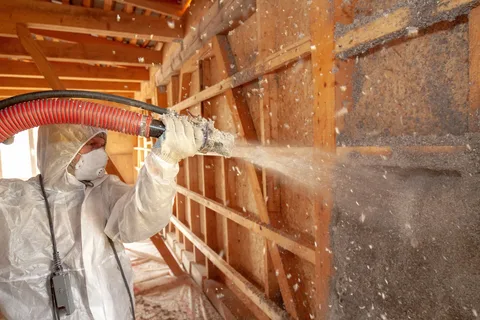
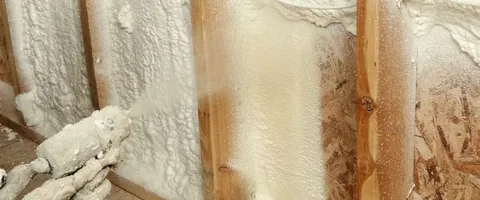
Closed-cell spray foam begins as material that is applied directly to a prepared surface and expands as it is installed. After curing, it forms a denser and more rigid insulation layer than open-cell foam.
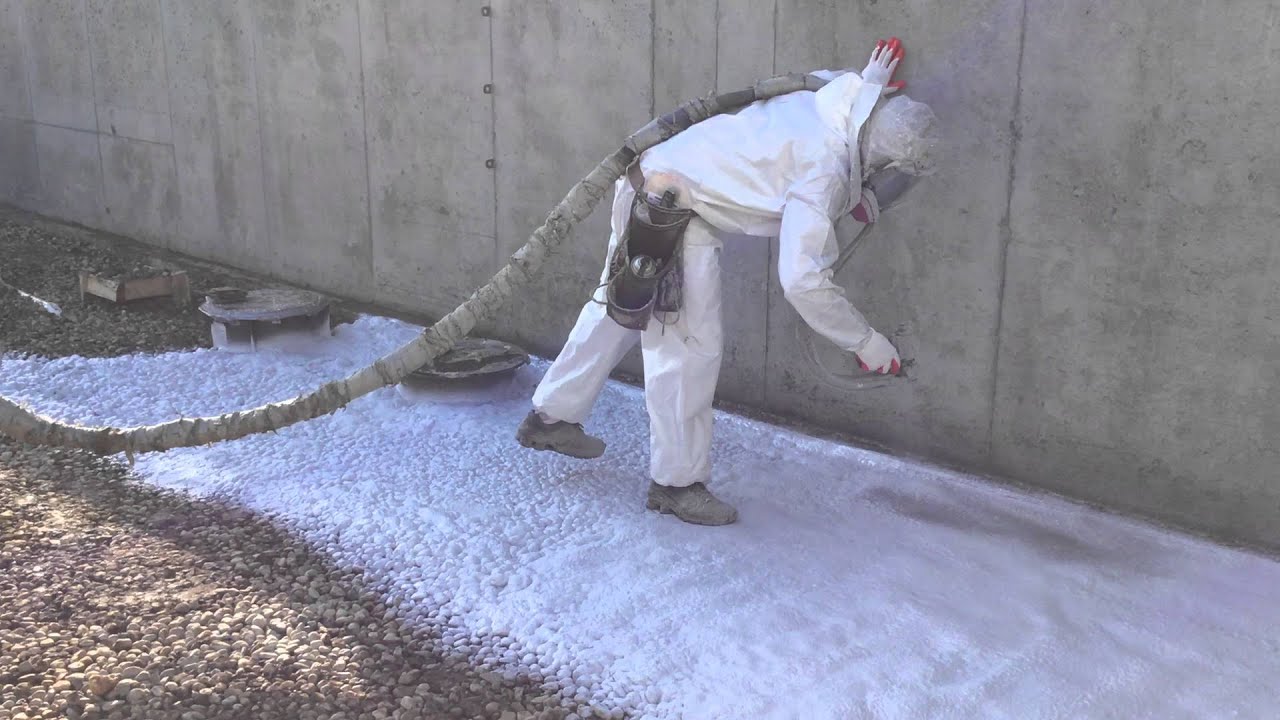
Professional closed-cell spray foam insulation can be used for residential, commercial, and agricultural applications, including attics, crawl spaces, basements, walls, garages, shops, barns, and metal buildings.
One reason spray foam is considered for these areas is its ability to expand into gaps and irregular spaces that may be difficult to cover with pre-cut insulation.
Correct application thickness and coverage still matter. More material in one section does not compensate for missed areas elsewhere.
The installer should understand the building assembly and determine where the foam belongs before application begins.
Closed-Cell Versus Open-Cell Spray Foam
Spray foam is commonly available in open-cell and closed-cell forms, but the two products have different characteristics.
Closed-cell foam is denser and more rigid after curing. Open-cell foam is generally softer and more flexible. Those differences can affect where each type is considered during insulation planning.
The right choice should depend on the part of the building being insulated rather than automatically using one material throughout the entire structure.
An attic, interior wall, crawl space, metal building, or basement can present different conditions. Moisture exposure, available cavity depth, air-sealing goals, existing construction, and accessibility should all be reviewed.
Homeowners should also avoid comparing foam types by one characteristic alone. The complete insulation system includes material choice, thickness, preparation, installation quality, ventilation requirements, and the condition of surrounding building components.
A professional assessment can help determine whether closed-cell foam fits the specific project.
Closed-Cell Spray Foam in Hardin, MT
Spray Pros’ dedicated Hardin location page specifically supports spray foam insulation for attics, crawl spaces, walls, garages, and new construction.
Property owners considering closed-cell spray foam in Hardin, MT should begin by identifying where unwanted air movement or inadequate insulation coverage may be occurring.
An older attic may have insulation that has shifted, settled, or been disturbed during electrical and mechanical work. Walls in remodeling projects may have open cavities that provide an opportunity to improve insulation before drywall is installed.
Garages, shops, and other outbuildings can also have large wall or roof areas that need insulation when the space is intended for regular use.
Before spraying foam, existing moisture problems should be investigated. Roof leaks, plumbing leaks, or water entering through the building exterior should not simply be covered by new insulation.
The area should be suitable for application so the finished insulation becomes part of a properly prepared building assembly.
Spray Foam Insulation in Huntley, MT
The Huntley service page also specifically supports spray foam insulation for attics, basements, walls, crawl spaces, new construction, pole barns, and retrofit projects.
Homeowners and builders considering spray foam insulation in Huntley, MT should decide whether the project involves improving an existing building or insulating new open construction.
Retrofits may require more evaluation because older buildings can contain existing insulation, hidden wiring, moisture concerns, repairs, and areas with limited access.
New construction generally provides easier access to framing and allows insulation work to be coordinated with electrical, plumbing, HVAC, roofing, and interior finishing.
Pole barns, shops, and similar structures may also require a different insulation plan from occupied residential rooms.
The installer should review how the building will be used, which surfaces require insulation, and whether ventilation or mechanical systems need to be coordinated with the foam installation.
Preparing a Building for Spray Foam Installation
Good preparation helps create more consistent insulation coverage.
Surfaces should be evaluated for moisture, dirt, loose materials, old insulation, and other conditions that could interfere with installation.
If existing insulation must be removed from a specific area, that work should happen before the new foam is applied.
Open electrical, plumbing, or mechanical work should also be coordinated before application where appropriate. Once foam covers a cavity, reaching components behind it may become more difficult.
Windows, doors, equipment, finished surfaces, and other areas that should not receive foam need appropriate protection during installation.
Access is another consideration. Contractors need enough working space to reach the planned surfaces and apply material consistently.
Preparation requirements vary according to whether the project involves an attic, crawl space, wall cavity, garage, shop, basement, or metal building.
Closed-Cell Spray Foam for Attics and Rooflines
Attics are common locations for insulation upgrades because large portions of a home’s thermal boundary may pass through the upper part of the building.
The correct location for spray foam depends on how the attic and roof assembly are designed.
Some projects may involve roofline applications, while others use different insulation strategies around attic floors or framing.
Ventilation should be considered before changing an attic’s insulation approach. Existing vents should not simply be covered without understanding how the building assembly is intended to function.
Roof condition also matters.
Active leaks or damaged roofing should be corrected before installing insulation beneath affected areas. Covering a moisture problem can make future diagnosis more difficult.
Homeowners should discuss the complete attic system rather than asking only how many inches of foam will be installed.
The location, coverage, roof design, ventilation, and existing insulation all influence the project.
Crawl Spaces, Basements, Garages, and Shops
Closed-cell spray foam can also be considered for lower-level and utility spaces.
Crawl spaces often contain plumbing, ductwork, framing, foundation walls, or other components that need to remain accessible for inspection and maintenance.
Before insulation begins, standing water, active leaks, or unresolved drainage conditions should be addressed.
Basements may have similar moisture considerations. A damp wall should not automatically be covered until the source of the moisture has been investigated.
Garages and workshops can benefit from insulation when homeowners want more consistent temperatures or plan to use the space for hobbies, storage, or regular work.
Shops and agricultural buildings may have larger open wall and roof areas that require a project-specific insulation plan.
Each of these spaces has different construction details, so the same spray pattern or thickness should not be assumed for every application.
Using Closed-Cell Foam in New Construction
New construction gives builders more control over insulation planning because wall, ceiling, and roof assemblies are accessible before finishes are completed.
The insulation contractor can review framing, mechanical equipment, plumbing penetrations, electrical runs, and other building components before spraying begins.
This coordination is important because foam can make some areas harder to access after curing.
Builders should decide which cavities and surfaces require closed-cell foam before drywall, wall panels, or other finishes are installed.
The project can also be coordinated around windows, doors, rim areas, roof transitions, and other locations where gaps may otherwise affect air sealing.
New construction does not eliminate the need for careful application.
Coverage still needs to be consistent, surfaces should be suitable for spraying, and required building components should remain accessible.
A clear insulation plan before installation can reduce corrections later in the construction process.
Spray Foam for Renovations and Retrofits
Existing buildings require more investigation because the contractor cannot always see everything inside finished walls or ceilings.
When walls are opened during remodeling, homeowners have an opportunity to inspect cavities before new insulation is installed.
Old fiberglass, deteriorated material, moisture staining, damaged framing, or previous construction changes may become visible during demolition.
These conditions should be addressed before spraying foam.
Attic retrofits may also involve existing loose-fill or batt insulation. The contractor can determine whether material should remain, be moved, or be removed from the specific application area.
The goal should not be to add foam simply because the building is older.
A retrofit should address an identified insulation or air-sealing need and fit the way the existing structure is built.
Careful evaluation helps avoid hiding problems that would be easier to correct before insulation installation.
Maintaining a Building After Spray Foam Installation
Spray foam itself usually remains concealed, but the surrounding building still requires normal maintenance.
Roofing should continue to be checked for leaks or damage. Plumbing systems should be repaired promptly when leaks occur. Ventilation and HVAC equipment should also remain properly maintained.
If future electrical, plumbing, roofing, or mechanical work requires access near sprayed areas, contractors should understand that foam insulation is present before beginning.
Property owners should avoid cutting or removing insulation without knowing what is behind it.
Changes in indoor comfort should also be considered as part of the whole building.
A room that becomes difficult to heat or cool may involve HVAC equipment, ductwork, windows, air leakage elsewhere, or another issue rather than the insulation alone.
Insulation performs as one part of the overall building envelope and mechanical system.
Choosing a Closed-Cell Spray Foam Contractor
A contractor should evaluate the project area before recommending a spray foam application.
Ask why closed-cell foam is being recommended instead of open-cell foam, batt insulation, blow-in material, or another option.
The answer should relate to the location and goals of the project.
Property owners should understand which areas will be sprayed, what preparation is needed, and whether existing insulation needs to be removed or modified.
Moisture concerns, ventilation, access, electrical components, and other building conditions should also be discussed before work begins.
For garages, barns, shops, and commercial properties, explain how the space will be used so the insulation plan reflects actual operating conditions.
A clear project scope should describe the application areas and preparation instead of treating every building as the same insulation job.
Conclusion
Closed-cell spray foam can provide dense insulation and air-sealing coverage for suitable attics, walls, crawl spaces, basements, garages, shops, agricultural buildings, and new construction projects.
For property owners in Hardin and Huntley, successful installation should begin with understanding the building rather than simply choosing a foam product.
Existing insulation, moisture, roof condition, ventilation, wiring, plumbing, accessibility, and intended use can all affect the project.
Closed-cell and open-cell foam also have different characteristics, so the material should be selected according to the specific application.
Preparation is equally important. Active leaks and damaged building materials should be corrected before insulation makes those areas harder to reach.
By evaluating the property first and coordinating spray foam with the rest of the building system, homeowners, builders, and business owners can create more consistent insulation coverage while avoiding unnecessary installation problems.
Frequently Asked Questions
What is closed-cell spray foam insulation?
Closed-cell spray foam is a dense spray-applied insulation that expands during installation and cures into a rigid insulation layer across suitable building surfaces.
Where can closed-cell spray foam be installed?
Depending on the property, it may be considered for attics, walls, crawl spaces, basements, garages, shops, barns, metal buildings, and new construction.
What is the difference between closed-cell and open-cell spray foam?
Closed-cell foam is denser and more rigid, while open-cell foam is generally lighter and more flexible. The appropriate option depends on the building area and project goals.
Can spray foam be installed in an older home?
Yes, suitable existing homes can receive spray foam during retrofit projects, but moisture, existing insulation, wiring, access, and hidden building conditions should be evaluated first.
Should roof leaks be repaired before spray foam installation?
Yes. Active roof leaks or other moisture problems should be identified and corrected before insulation is installed in affected areas.
Can closed-cell spray foam be used in garages and shops?
Yes, the service may be appropriate for garages, shops, and other outbuildings when the structure, surfaces, and insulation goals are suitable for spray foam installation.