Reliable blow-in insulation in Laurel, MT improves energy efficiency, reduces drafts, and helps homes and businesses stay comfortable year-round.
When a property has uneven temperatures, noticeable drafts, or rising heating and cooling demands, inadequate insulation may be part of the problem. Spray Pros Insulation provides insulation solutions for residential, commercial, and agricultural properties across Montana and Northern Wyoming. The company offers spray foam, blow-in, and batt insulation, with solutions designed around different building types and insulation needs.
Blow-in insulation can be a practical option for homeowners and building owners who need to improve thermal performance without undertaking major renovations. It can be installed in attics, wall cavities, and other spaces where traditional insulation may be difficult to fit. Spray Pros Insulation states that it uses cellulose and fiberglass materials for its blow-in insulation services.
Understanding where blow-in insulation works best, how it is installed, and what factors affect its performance can help property owners make a more informed decision.
Why Blow-In Insulation Is a Practical Upgrade
Insulation helps slow the movement of heat between conditioned indoor spaces and the outdoors. During cold Montana winters, inadequate insulation can allow heat to escape more quickly. During warmer periods, insufficient insulation can allow unwanted heat to enter the building.
Blow-in insulation can be particularly useful for retrofit projects because it can often improve existing insulation without requiring extensive demolition.
Filling Irregular Spaces
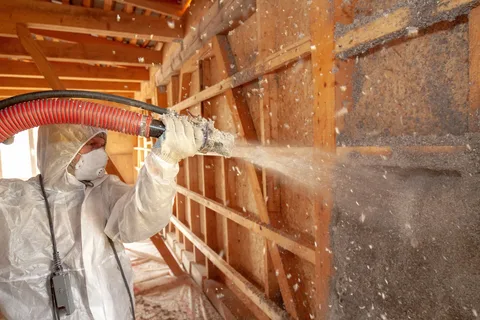
Loose-fill insulation can move around obstacles and fill areas that may be difficult to cover with rigid or pre-cut materials. This makes it useful for attics and certain wall cavities with irregular shapes.
Proper installation is still essential. The material needs to be distributed at the appropriate depth and density to provide consistent coverage.
Reducing Unwanted Heat Transfer
A properly insulated building can better resist unwanted heat movement through the ceiling, walls, and other parts of the building envelope.
Blow-in insulation does not replace every other energy-efficiency measure, but it can be an important part of a broader approach that also considers air sealing, windows, doors, HVAC equipment, and ventilation.
Supporting Indoor Comfort
Temperature differences between rooms can make a home or business uncomfortable. Improving insulation can help reduce the effect of outdoor temperature changes and create more consistent indoor conditions.
The actual improvement depends on the existing insulation, building construction, air leakage, climate, and other factors.
Where Blow-In Insulation Works Best
Blow-in insulation is versatile, but the best application depends on the property’s construction and existing insulation.
Attic Insulation
Attics are one of the most common locations for loose-fill insulation. Heat can move through an inadequately insulated attic, affecting the temperature of rooms below.
Spray Pros Insulation specifically describes blow-in insulation as suitable for unfinished attics and for adding insulation to existing spaces.
Before installation, the attic should be evaluated for existing insulation, moisture problems, ventilation, electrical fixtures, and other conditions that may affect the project.
Wall Cavities
Blow-in insulation can also be used in certain wall cavities, making it useful when homeowners want to improve insulation without completely removing interior wall finishes.
The installation method depends on the wall construction and access available.
Hard-to-Reach Areas
Some buildings contain spaces where standard insulation is difficult to install evenly. Loose-fill material can be useful in areas with irregular dimensions or numerous obstacles.
However, the installer should determine whether the specific space is suitable for blow-in insulation before work begins.
Blow-In Insulation Services in Laurel
Homeowners searching for blow-in insulation services in Laurel can consider the benefits of improving attic and wall insulation as part of a broader energy-efficiency project. Spray Pros Insulation’s Laurel page specifically lists blow-in insulation among its services and describes it as an option for older homes, attics, wall cavities, and tight spaces.
Retrofitting Existing Homes
Older homes may have insulation that has settled, become insufficient, or no longer provides the level of thermal protection desired by the property owner.
Blow-in insulation can be useful for certain retrofit applications because it may improve coverage without requiring extensive structural changes.
Improving Attic Performance
An under-insulated attic can contribute to uncomfortable rooms and greater heating or cooling demand.
Adding appropriate insulation can improve the separation between the conditioned living area and the unconditioned attic space.
Supporting Seasonal Comfort
Laurel properties experience seasonal temperature changes, making insulation an important part of maintaining comfortable indoor conditions.
A professional evaluation can help determine whether insufficient insulation is contributing to drafts, uneven temperatures, or excessive energy use.
How Blow-In Insulation Is Installed
The installation process depends on the property, existing insulation, and location being upgraded. A professional assessment helps determine the appropriate method before material is added.
Property Assessment
The first step is evaluating the area that needs insulation. The installer may consider existing insulation levels, moisture, access, ventilation, electrical components, and the construction of the building.
This helps identify potential issues before installation begins.
Preparing the Work Area
Preparation can involve creating appropriate access points, protecting surrounding areas, and addressing conditions that could interfere with installation.
If moisture intrusion or another building problem is present, it should generally be addressed before insulation is installed.
Blowing the Material Into Place
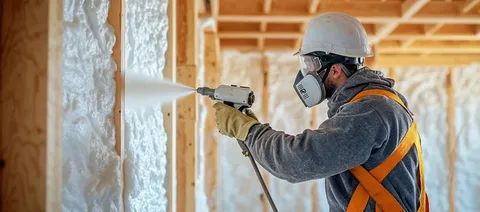
Specialized equipment is used to distribute the insulation material throughout the designated area.
The installer needs to maintain appropriate coverage and density rather than simply filling the space without measuring the finished insulation level.
Checking the Finished Coverage
After installation, the area should be reviewed to ensure the material has been distributed properly.
Consistent coverage is important because thin or missed areas can reduce the overall effectiveness of the insulation system.
Insulation Services in Columbus, MT
Property owners looking for insulation services in Columbus can consider blow-in insulation when upgrading existing walls or attic spaces. Spray Pros Insulation specifically states that it provides blow-in insulation for walls in Columbus and serves homes and businesses in the area.
Improving Existing Wall Insulation
Walls with inadequate insulation can contribute to temperature fluctuations and unwanted heat transfer.
Blow-in installation can provide an option for improving certain existing wall cavities without removing large sections of finished wall material.
Commercial Applications
Commercial buildings may have larger areas requiring insulation and can experience substantial heating and cooling demands.
The appropriate insulation strategy depends on the building’s construction, occupancy, HVAC system, and areas requiring thermal improvement.
Residential Improvements
For homeowners, insulation upgrades can focus on areas such as attics, walls, garages, or other parts of the building envelope.
The best starting point is usually the area where the greatest insulation deficiency or comfort problem has been identified.
Signs Your Property May Need More Insulation
Insulation problems are not always immediately visible. Several signs may indicate that an evaluation could be worthwhile.
Uneven Room Temperatures
If one room remains noticeably colder or warmer than another, insulation or air leakage may be contributing to the difference.
However, HVAC distribution, windows, doors, and other factors should also be considered.
Drafts and Cold Spots
Drafts around walls, ceilings, or other areas may indicate uncontrolled air movement. Insulation can help with heat transfer, but air sealing may also be needed to address actual air leakage.
High Heating or Cooling Demand
A building that requires significant heating or cooling to maintain comfortable temperatures may have weaknesses in its building envelope.
Insufficient insulation is one possible factor among several.
Older Insulation
Existing insulation can settle or become insufficient over time. An inspection can help determine whether additional insulation is appropriate or whether another issue needs attention first.
Blow-In Insulation vs. Other Options
Blow-in insulation is one of several insulation systems available to property owners.
Spray Foam Insulation
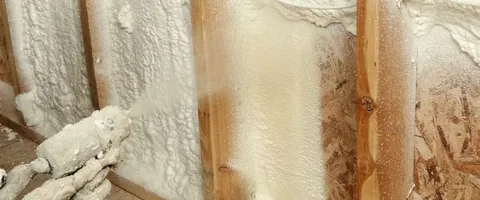
Spray foam expands after application and can provide both insulation and air-sealing properties. It can be useful in areas where sealing gaps and irregular spaces is a priority.
The appropriate foam type depends on the building assembly and project requirements.
Batt Insulation
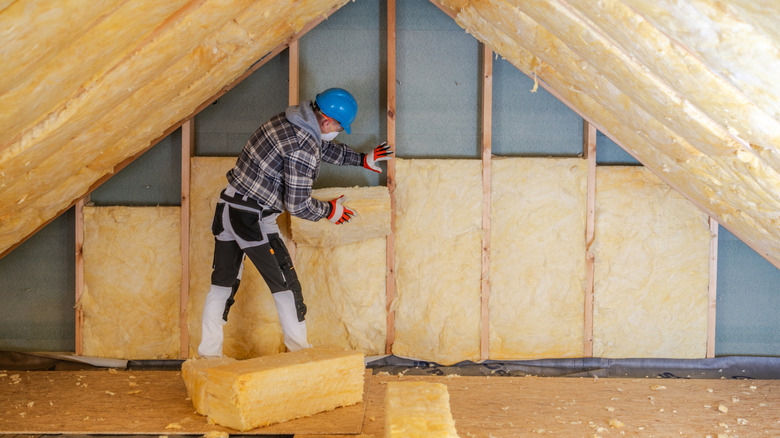
Batt insulation is commonly installed in accessible wall, ceiling, floor, and framed areas.
It can be a practical option for new construction and remodeling projects where cavities are open and easy to access.
Choosing the Right Material
The correct insulation depends on the location, existing construction, desired thermal performance, moisture conditions, accessibility, and project budget.
A professional evaluation can help property owners avoid choosing an insulation system based solely on price or popularity.
Maintaining Insulation Performance
Insulation generally requires less routine maintenance than many other building systems, but property owners should still monitor the surrounding building conditions.
Watch for Moisture
Water leaks can damage building materials and affect insulation. Roof leaks, plumbing problems, and other moisture sources should be corrected promptly.
Adding insulation without addressing an active moisture problem can create additional complications.
Monitor Comfort
Changes in indoor comfort can provide useful clues about building performance.
If previously comfortable rooms begin developing drafts or temperature differences, the cause should be investigated.
Check During Renovations
Remodeling projects can expose walls, ceilings, and other areas that were previously inaccessible.
This creates an opportunity to inspect existing insulation and determine whether additional material is appropriate.
Maintain Ventilation
Insulation should work alongside proper ventilation. Attics and other building areas may have specific ventilation requirements that should be considered during an insulation project.
Benefits of Professional Blow-In Insulation Installation
Professional installation can help property owners get more consistent results from an insulation upgrade.
Appropriate Material Selection
Professionals can evaluate whether cellulose or fiberglass blow-in insulation is appropriate for the intended application.
Spray Pros Insulation states that it uses both cellulose and fiberglass materials for its blow-in insulation services.
Consistent Application
Loose-fill insulation needs to be installed at the correct coverage and density. Professional equipment and installation practices can help achieve more consistent results.
Reduced Installation Disruption
Blow-in insulation can be useful for retrofit projects because certain applications can be completed without major renovations.
This may allow homeowners to improve insulation while minimizing disruption to finished living spaces.
Long-Term Building Performance
Improved insulation can contribute to better temperature control and reduced heat transfer. The actual performance depends on the entire building envelope and the quality of installation.
Conclusion
Blow-in insulation can be a practical solution for property owners who want to improve thermal performance without undertaking extensive renovations. Its ability to fill attic spaces, wall cavities, and other difficult areas makes it useful for many retrofit and upgrade projects.
For homeowners and businesses in Laurel and Columbus, evaluating the existing insulation is an important first step. Older insulation, uneven temperatures, drafts, and high heating or cooling demand may indicate that additional insulation or air-sealing work should be considered.
The right insulation system depends on the building’s construction, moisture conditions, accessibility, and performance goals. Blow-in, batt, and spray foam insulation each have different applications, so the best choice should be based on the actual property rather than a one-size-fits-all approach.
Professional installation can also help ensure that insulation is distributed consistently and that potential issues are identified before the project is completed.
With appropriate planning, quality materials, and careful installation, a blow-in insulation upgrade can contribute to improved indoor comfort and more efficient building performance throughout the changing Montana seasons.
Frequently Asked Questions
1. What is blow-in insulation?
Blow-in insulation is a loose-fill insulation material installed using specialized equipment. It can be made from materials such as cellulose or fiberglass and is commonly used in attics and suitable wall cavities.
2. Can blow-in insulation be added to an existing attic?
Yes. Blow-in insulation is often used for attic upgrades and retrofit projects. The existing insulation and attic conditions should be evaluated before additional material is installed.
3. Is blow-in insulation suitable for wall cavities?
It can be suitable for certain existing wall cavities, depending on the wall construction and access. A professional should determine the appropriate installation method for the property.
4. Does blow-in insulation help reduce drafts?
Blow-in insulation can reduce heat transfer, but insulation alone does not necessarily stop every air leak. Specific gaps and openings may require separate air-sealing measures.
5. Is cellulose or fiberglass blow-in insulation better?
Neither is automatically better for every application. The appropriate material depends on the building, installation location, desired performance, and project requirements.
6. Does Spray Pros Insulation install blow-in insulation?
Yes. Spray Pros Insulation provides blow-in insulation for residential and commercial properties and states that it uses cellulose and fiberglass materials for its installations.