Learn how blow-in insulation in Sheridan, WY can improve attic coverage, reduce heat transfer, fill difficult spaces, and support more consistent indoor comfort.
Insulation plays an important role in limiting unwanted heat transfer between indoor living areas and the spaces around them. When an attic or wall cavity has thin, uneven, or deteriorated insulation, rooms may become harder to keep comfortable throughout the year. Spray Pros Insulation provides residential and commercial insulation services across Montana and Northern Wyoming, including spray foam, batt, and loose-fill systems. Blow-in insulation is commonly used for attic upgrades, retrofits, wall cavities, and spaces where fitting individual insulation batts can be difficult. Fiberglass or cellulose material is installed with specialized equipment that distributes loose insulation across the target area. Homeowners and property managers in Sheridan, Forsyth, and surrounding communities should consider existing insulation depth, air leakage, moisture conditions, ventilation, and access before adding new material. This guide explains how blow-in insulation works, where it can be installed, preparation requirements, attic upgrades, material choices, and factors that affect long-term insulation performance.
How Blow-In Insulation Works
Blow-in insulation uses loose material rather than pre-cut rolls or batts.
Loose-Fill Installation
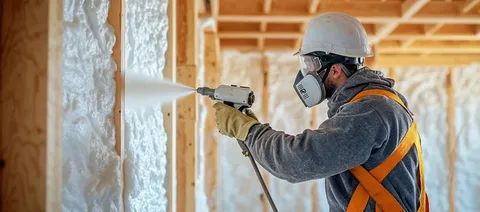
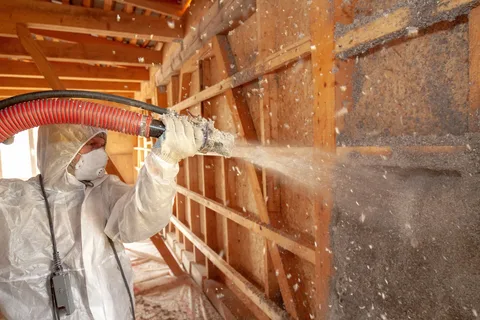
Fiberglass or cellulose insulation is fed through specialized equipment and distributed through a hose into the prepared area.
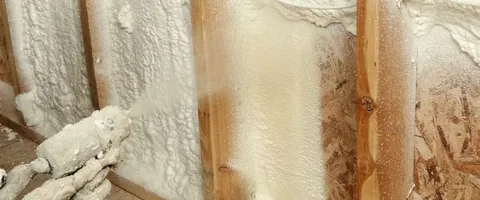
Because the material consists of smaller pieces, it can settle around framing and other obstacles more easily than rigid or pre-sized products in many applications.
Professional blow-in insulation can be installed in attics, walls, ceilings, and other appropriate spaces for both new construction and existing properties.
Creating Consistent Coverage
Insulation works best when coverage is reasonably consistent across the area being treated.
Thin sections, uncovered gaps, and compressed material can create places where heat moves more easily through the building assembly.
Installation should therefore focus on achieving the required depth and distribution rather than simply adding material until the area looks full.
Where Blow-In Insulation Can Be Used
Loose-fill insulation can work well in several parts of a property.
Attics
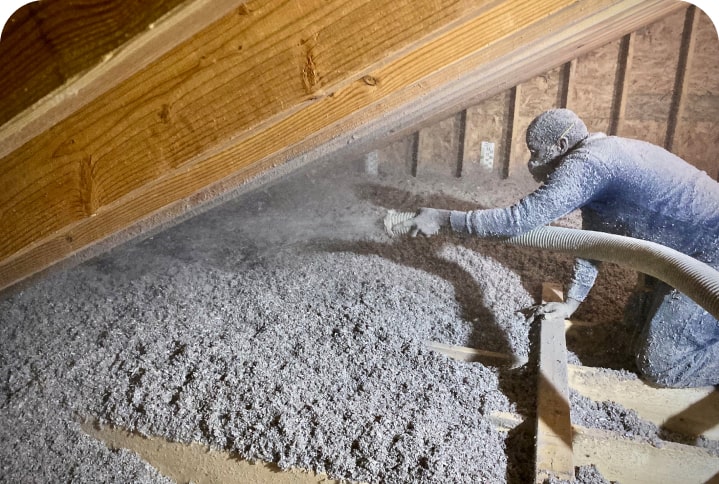
Attics are one of the most common applications because the material can be distributed across large open areas and around framing.
Existing insulation may sometimes remain in place if it is dry, suitable, and in acceptable condition.
The attic should still be inspected before adding new material because moisture, damaged insulation, blocked ventilation, or other conditions may require attention first.
Wall Cavities
Blow-in material can also be used in certain enclosed wall cavities.
This may provide an option for improving insulation in existing buildings without removing every section of finished wall.
The installation method depends on the wall construction and available access.
Hard-to-Reach Areas
Irregular framing, narrow spaces, and areas around structural components can be difficult to cover evenly with pre-cut insulation.
Loose-fill material can adapt to many of these shapes when installed correctly.
However, electrical equipment, heat-producing fixtures, ventilation pathways, and other building components still need appropriate clearance.
Fiberglass and Cellulose Options
Spray Pros lists both fiberglass and cellulose among its blow-in insulation materials.
Fiberglass Blow-In Insulation
Loose-fill fiberglass consists of small fiberglass particles installed with blowing equipment.
It can be used to create thermal coverage across attics and other suitable building cavities.
The amount installed should be based on the project requirements rather than appearance alone.
Cellulose Blow-In Insulation
Cellulose is another loose-fill material used for attic and wall applications.
Its smaller particles can fill around framing and irregular spaces.
Homeowners should discuss which material is appropriate for the specific area being insulated, the existing construction, and the condition of insulation already present.
Choosing Between Materials
There is no single material choice that is automatically right for every building.
Existing insulation, access, project goals, building design, and installation requirements can all influence the decision.
A contractor should evaluate the property before recommending material and installation depth.
Signs an Attic May Need More Insulation
Insulation needs are not always obvious from inside the living space.
Uneven Indoor Temperatures
Some rooms may consistently feel different from others.
Many conditions can cause temperature differences, including HVAC distribution, windows, air leakage, orientation, and insulation.
An attic evaluation can help determine whether insufficient or uneven insulation is contributing to the problem.
Visible Thin Areas
If attic insulation is visibly shallow or uneven in accessible areas, additional coverage may be worth considering.
The existing material should also be checked for moisture, contamination, compression, or displacement.
Older or Disturbed Insulation
Insulation may be moved during electrical, plumbing, ventilation, or other work.
Areas that were previously covered can become exposed when materials are pushed aside and not redistributed.
An inspection can identify these gaps before additional insulation is installed.
Blow-In Insulation Services in Sheridan, WY
Spray Pros’ Sheridan location page specifically provides blow-in insulation for older structures, attic upgrades, and wall cavities using fiberglass or cellulose.
Property owners considering blow-in insulation services in Sheridan, WY should begin with an evaluation of existing insulation and attic conditions.
Attic Insulation Upgrades
An attic may already contain insulation but still have areas with insufficient coverage.
Adding loose-fill material can help create more consistent depth when the existing insulation remains suitable.
Before installation, contractors should confirm that important ventilation openings remain clear.
Existing Homes
Blow-in insulation can be useful for retrofit projects because it can often be installed without rebuilding the entire space.
Existing homes may have irregular framing, previous modifications, or insulation that has shifted over time.
These conditions should be identified during the initial evaluation so the new material can be installed appropriately.
Blow-In Insulation Installation in Forsyth, MT
The Forsyth location page also specifically supports blow-in insulation for older or under-insulated buildings, including attics and wall cavities.
Homeowners planning blow-in insulation installation in Forsyth, MT should consider whether the goal is to supplement existing material or insulate an area that currently has limited coverage.
Older Attics
Older homes can have several generations of repairs and improvements.
An attic may contain different insulation materials, electrical changes, ventilation modifications, or areas that have been disturbed during previous work.
Inspection before installation helps determine which existing materials can remain and whether any sections need attention first.
Retrofit Projects
A retrofit focuses on improving an existing building rather than insulating completely open new construction.
Loose-fill insulation can work well in these situations because it can cover irregular areas with limited disruption.
Access points, ventilation, wiring, and existing materials should still be reviewed before work begins.
Prepare the Attic Before Adding Insulation
Installing additional insulation over unresolved problems can make future repairs more difficult.
Check for Roof Leaks
Wet insulation does not belong beneath another new layer.
Any active roof leaks or moisture problems should be corrected and affected materials evaluated before the insulation project moves forward.
Inspect Ventilation
Attic ventilation components should not be accidentally covered by loose insulation.
Soffit vents, baffles, exhaust components, and other airflow pathways need to remain functional according to the building design.
Look for Air Leakage
Insulation and air sealing serve related but different purposes.
Openings around plumbing, wiring, framing transitions, attic accesses, and other penetrations may allow unwanted air movement.
Where appropriate, these areas should be evaluated before the final insulation layer makes them harder to reach.
New Construction Versus Existing Homes
The installation process can differ depending on whether the building is open or already finished.
New Construction
New construction provides easier access to framing and building components.
Insulation planning can be coordinated with electrical work, ventilation, mechanical systems, and other trades before finished surfaces are completed.
The installer can determine whether blow-in material is appropriate for particular areas based on the construction design.
Existing Buildings
Retrofit projects require more attention to what is already in place.
Existing insulation, hidden wiring, previous repairs, moisture conditions, and limited access can all affect the work.
A careful assessment can help reduce the chance of covering a condition that should have been corrected first.
Why Installation Depth Matters
Loose-fill insulation is installed to a planned depth and coverage level.
Uneven Distribution
A thick pile in one area does not compensate for a thin section elsewhere.
The goal is consistent thermal coverage across the target space.
Obstructions and attic access points should be handled carefully so large gaps are not left behind.
Settling and Material Placement
Loose-fill materials can behave differently depending on material type and installation method.
Professional installation should account for the characteristics of the chosen insulation.
Homeowners should avoid walking through insulated attic areas unnecessarily because foot traffic can disturb or compress material.
Blow-In Insulation and Air Sealing
Insulation slows heat transfer, while air sealing addresses unwanted air movement through openings.
Common Air Leakage Areas
Air can move through openings around penetrations, access hatches, framing gaps, wiring routes, and other building transitions.
Adding insulation over significant openings does not necessarily eliminate that air movement.
Coordinate Work Before Installation
If air sealing is needed, completing accessible work before adding the final insulation layer can make sense.
Once loose-fill material covers the attic floor, reaching individual penetrations can become more difficult.
The contractor should determine which preparation steps are appropriate for the property.
Maintaining Insulation After Installation
Blow-in insulation generally remains out of sight, but attic conditions can still change.
Check After Major Work
HVAC technicians, electricians, plumbers, or other contractors may need to enter an attic.
If insulation is moved during service work, affected areas may need to be redistributed afterward.
Address Moisture Promptly
Roof leaks, plumbing problems, or condensation can affect insulation.
Unexpected moisture should be investigated instead of simply allowing wet material to dry beneath additional layers.
Keep Ventilation Areas Open
Homeowners should avoid moving loose-fill insulation into soffit vents or other intended ventilation pathways.
Proper attic airflow should remain part of ongoing building maintenance.
Choosing a Blow-In Insulation Contractor
A contractor should evaluate the existing building before determining how much material to add.
Ask About Existing Insulation
Find out whether current insulation can remain or whether any sections need removal or correction.
The answer should depend on material condition rather than assuming all existing insulation should automatically stay or go.
Discuss Material Choice
Ask whether fiberglass or cellulose is appropriate for the planned area and why.
Different projects can have different installation considerations.
Review Preparation Work
Understand whether the project requires air sealing, ventilation protection, moisture correction, access preparation, or other work before insulation begins.
A clear installation plan helps prevent important building conditions from being hidden beneath new material.
Conclusion
Blow-in insulation can provide practical thermal coverage for attics, wall cavities, retrofit projects, and other spaces where loose-fill material is appropriate. Fiberglass and cellulose options can be distributed around framing and irregular areas while supplementing existing insulation when conditions allow.
For homeowners and property managers in Sheridan and Forsyth, the project should begin with an inspection rather than simply adding another layer of material. Existing insulation condition, roof leaks, moisture, ventilation, air leakage, wiring, and attic access can all affect the final installation.
Consistent coverage is also important. Insulation should be distributed according to project requirements without blocking necessary ventilation or leaving thin sections around difficult areas.
By preparing the space first and selecting an insulation system based on the actual building, property owners can improve thermal coverage while maintaining access to important components and supporting long-term building performance.
Frequently Asked Questions
What is blow-in insulation?
Blow-in insulation is loose fiberglass or cellulose material installed with specialized equipment into attics, wall cavities, and other suitable spaces.
Can blow-in insulation be added over existing attic insulation?
In some situations, yes. Existing insulation should first be checked for moisture, contamination, damage, and other conditions that may need correction.
Is blow-in insulation useful for older homes?
Yes. It can be useful for retrofit projects because loose material can cover irregular attic areas or certain enclosed cavities without requiring complete reconstruction.
What is the difference between fiberglass and cellulose blow-in insulation?
Both are loose-fill insulation materials, but they are made from different materials and have different installation characteristics. The appropriate choice depends on the property and project.
Should roof leaks be repaired before installing insulation?
Yes. Active moisture problems should be corrected before new insulation is placed over the affected area.
Does blow-in insulation also seal air leaks?
Insulation primarily slows heat transfer. Significant air leaks around penetrations and building gaps may require separate air-sealing work before the insulation is installed.