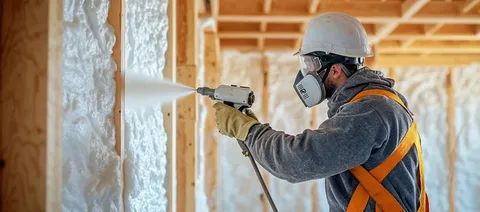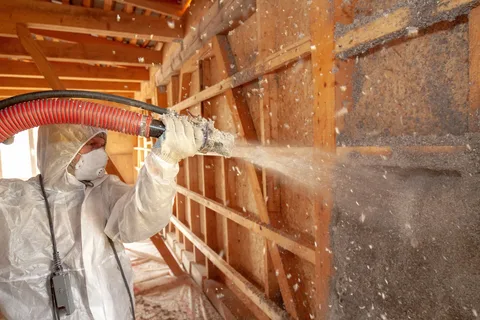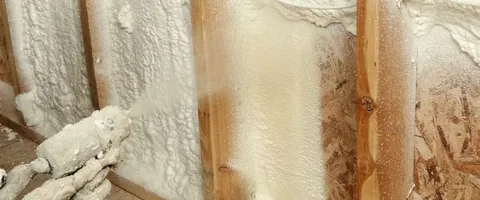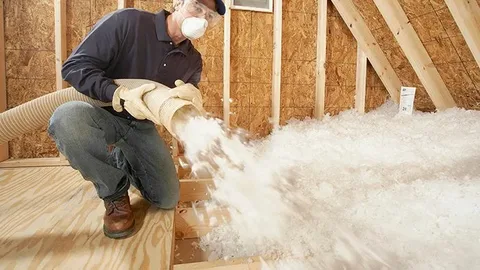
An attic can lose thermal performance long before the insulation looks completely worn out. Existing material may settle, develop thin areas, or leave gaps around framing and hard-to-reach spaces. As a result, homeowners may notice uneven indoor temperatures, cold ceilings, longer heating cycles, or rooms that never feel as comfortable as the rest of the house. Professional Attic Blow-In Insulation Services can add consistent thermal coverage across suitable attic areas without requiring major structural changes.
Blown insulation works especially well for irregular spaces because loose material can settle around framing and other obstacles. Depending on project needs, contractors may use cellulose insulation or fiberglass blown-in insulation. Both materials can support an attic insulation upgrade when installed to the appropriate depth and coverage.
Spray Pros Insulation provides spray foam, blow-in, and batt insulation for residential, commercial, and agricultural properties across Montana and Northern Wyoming.
Homeowners may also consider loose-fill insulation when existing attic coverage is uneven or difficult to reach with traditional batts. In some projects, wall-cavity insulation can address other under-insulated parts of the building. The right approach begins with evaluating where insulation is missing and why comfort problems are occurring.
Signs an Attic May Need More Insulation
Attic insulation does not have to disappear completely before it becomes less effective. Settling, disturbed material, previous repair work, or incomplete coverage can create weak areas that allow heat to move more easily through the ceiling assembly.
A useful inspection looks at coverage across the entire attic instead of judging insulation from one visible spot.
Look for Uneven Coverage and Thin Areas
Homeowners may notice certain rooms becoming colder during winter or warmer during summer. Although insulation is not the only possible cause, inconsistent attic coverage deserves consideration when comfort problems follow the ceiling line.
Professional loose-fill insulation can help fill irregular areas where gaps exist between framing members. Likewise, an attic insulation upgrade may be appropriate when older material remains usable but no longer provides enough consistent coverage.
Other clues can include visible low spots, insulation displaced during electrical or HVAC work, and sections where framing remains unusually exposed.
Spray Pros Insulation describes blow-in insulation as a practical option for under-insulated attics and hard-to-reach spaces.
However, adding material without checking the attic first can hide existing problems. Roof leaks, moisture concerns, damaged materials, or ventilation issues should be identified before new insulation covers the area.
What Should Happen Before Blow-In Installation
Installing more insulation begins with preparation. Contractors need to understand the existing material, attic access, ventilation paths, electrical components, and areas where new insulation should or should not be placed.
Professional Attic Blow-In Insulation Services can use cellulose or fiberglass materials to improve coverage in attics, wall cavities, and difficult spaces.
Prepare the Attic Before Adding Material
A useful pre-installation review should consider five practical areas:
- Existing insulation depth and condition
- Signs of moisture or roof leakage
- Attic ventilation pathways
- Accessible gaps and thin sections
- Areas around fixtures and equipment
If older insulation is dry, clean, and suitable to remain, an attic insulation upgrade may sometimes involve adding new material over existing coverage. In contrast, contaminated or badly damaged insulation may need a different approach before new material is installed.
Professional cellulose insulation installation also requires controlled distribution so material reaches the planned depth without leaving heavy piles beside thin areas.
Similarly, fiberglass blown-in insulation should be distributed consistently across the intended surface.
Good preparation keeps the project focused on improving actual thermal coverage rather than simply putting more material into the attic.
Choosing Between Cellulose and Fiberglass Blow-In
Blown insulation is not a single material. Two common options are cellulose and fiberglass, and each has characteristics that can influence the final project.
The best choice depends on the existing attic, installation goals, material preference, and overall insulation strategy.
Match the Material to the Project
Cellulose insulation is a loose-fill material that can conform around framing and irregular attic spaces. Fiberglass blown-in insulation also uses loose fibers that can be mechanically distributed across attic surfaces.
When comparing options, consider:
- Existing insulation material
- Required coverage
- Attic accessibility
- Installation conditions
- Long-term maintenance expectations
Homeowners considering loose-fill attic insulation in Laurel, MT can discuss which material works best with the existing attic and property design. Laurel is one of the locations served by Spray Pros Insulation.
Reliable Attic Blow-In Insulation Services should focus on correct installation rather than presenting one material as automatically suitable for every building.
Material selection matters, but coverage matters just as much. Even quality insulation can underperform when large gaps, compressed areas, or inconsistent depths remain throughout the attic.
Adding Blow-In Insulation Over Existing Material
Many attic projects do not begin with an empty floor. Older fiberglass batts or loose-fill insulation may already cover part of the space.
In these situations, the first question should be whether the existing material can remain rather than automatically removing everything.
Know When an Insulation Top-Up Makes Sense
An attic insulation upgrade can sometimes add new loose material over existing insulation when the original layer remains dry and serviceable.
Before proceeding, contractors should consider:
- Whether existing insulation is wet
- Whether contamination is present
- How evenly the current material is distributed
- Whether important attic components remain accessible
- Whether underlying problems require repair
Professional loose-fill insulation can be useful for topping up thin areas because it can spread across irregular surfaces and around existing framing.
However, additional insulation should not be used to hide damaged materials or unresolved moisture. Those concerns need attention first.
Spray Pros Insulation works with retrofit projects as well as new construction and describes blow-in insulation as suitable for adding coverage to existing attics.
Careful assessment helps determine whether a top-up, partial correction, or more extensive insulation work offers the most practical solution.
Reaching Attic Spaces That Batts May Miss
Attics rarely consist of perfectly open rectangles. Roof framing, wiring, plumbing penetrations, narrow edges, and other obstacles create areas where rigid or pre-cut insulation may be difficult to fit consistently.
That irregular geometry is one reason blown insulation is commonly used in retrofit attic projects.
Consistent Coverage Requires Care Around Obstacles
Professional Attic Blow-In Insulation Services can distribute material around framing and into areas that require more flexible coverage. However, installers still need to maintain appropriate clearance around components that should remain uncovered.
Five areas deserve particular attention:
- Attic edges and narrow spaces
- Framing intersections
- Utility penetrations
- Access openings
- Ventilation pathways
Professional fiberglass blown-in insulation can help create continuous coverage across open attic areas while conforming around common obstructions.
Homeowners considering fiberglass blown-in insulation in Forsyth, MT can also evaluate whether the rest of the attic has consistent insulation rather than focusing only on one visibly thin section. Forsyth is a verified service location on the website.
For enclosed parts of a structure, wall-cavity insulation involves different access and installation considerations. Therefore, attic and wall projects should be evaluated separately even when both use blown materials.
Why Consistent Insulation Depth Matters
More insulation in one corner cannot compensate for weak coverage elsewhere. Thermal performance depends on creating a relatively continuous layer across the areas intended to separate conditioned space from the attic.
For that reason, installation quality deserves as much attention as the amount of material used.
Check the Finished Coverage Across the Attic
Reliable Attic Blow-In Insulation Services should aim for even distribution instead of large variations in depth.
A final review can consider:
- Coverage around attic framing
- Thin or missed sections
- Material distribution near edges
- Accessibility of important components
- Condition of ventilation paths
Professional cellulose insulation should be installed according to project requirements rather than judged by appearance alone. Likewise, fiberglass blown-in insulation needs consistent placement to avoid obvious weak areas.
Wall-cavity insulation may also be considered when comfort problems come from exterior walls rather than the attic. However, contractors should identify the actual source of heat loss before recommending additional work.
Spray Pros Insulation serves homes, businesses, farms, shops, and other structures with multiple insulation systems.
The best result is not simply an attic that looks full. It is an insulation layer planned around the structure and installed with consistent coverage where it is needed.
Conclusion
Blow-in insulation can be a practical way to improve an attic that has thin, settled, or inconsistent thermal coverage. Its loose-fill format allows material to reach around framing and irregular areas where traditional insulation may leave gaps.
However, good results start before the blowing equipment is turned on. Existing insulation should be evaluated for moisture, contamination, displacement, and overall condition. Contractors should also consider ventilation, access points, and other attic components before adding material.
Loose-fill insulation can work particularly well for retrofit projects where removing every existing insulation section would be unnecessary. Meanwhile, cellulose insulation and fiberglass materials provide different options depending on the project and existing attic conditions.
Homeowners should also remember that insulation is only one part of building performance. Air leakage, HVAC operation, moisture, windows, and other building components can influence indoor comfort.
Spray Pros Insulation provides blow-in, spray foam, and batt systems throughout Montana and Northern Wyoming. Choosing the right insulation method depends on the structure, existing materials, and the areas that actually need improvement.
A carefully planned installation focuses on consistent coverage rather than simply adding the greatest possible amount of insulation. That approach can help create a more complete thermal layer while keeping the project relevant to the property’s actual needs.
FAQ’s
What is blow-in attic insulation?
Blow-in insulation uses loose cellulose or fiberglass material that specialized equipment distributes across an attic to create thermal coverage.
Can blow-in insulation be added over existing insulation?
Often, yes, when the existing material remains dry and suitable. Damaged, wet, or contaminated insulation may require attention first.
Is cellulose the same as fiberglass blow-in insulation?
No. They are different loose-fill insulation materials, although both can be used for certain attic and retrofit applications.
Why is even insulation depth important?
Thin and missed areas can create weak points in the thermal layer. Consistent coverage helps the insulation perform more uniformly across the attic.
Can blow-in insulation be used inside walls?
It can be used in some wall-cavity applications. Access, wall construction, existing materials, and project conditions determine the appropriate installation method.