Learn how blow-in insulation for walls in Shepherd, MT works, what affects installation cost, which materials are used.
Older walls can lose heat through gaps, thin insulation, and areas that were never insulated evenly. Spray Pros Insulation works with property owners who want to improve thermal coverage without automatically opening every finished wall in the building.
For homeowners considering blow-in insulation for walls, the first step should be understanding the existing wall cavity. In Shepherd and Huntley, MT, insulation performance matters during both cold winters and warmer summer weather. Proper material selection and careful installation can help reduce unwanted heat movement while improving indoor comfort.
How Blow-In Insulation for Walls Works
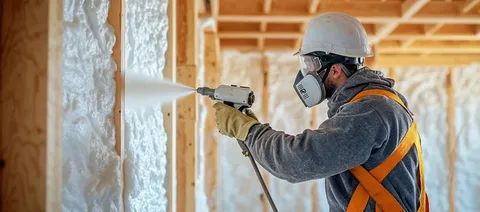
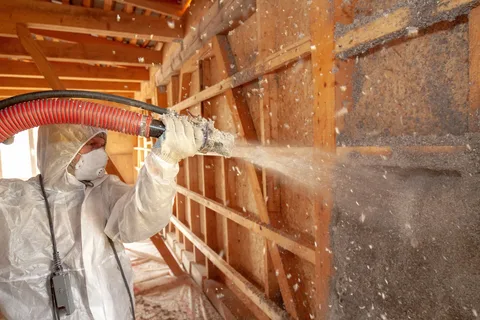
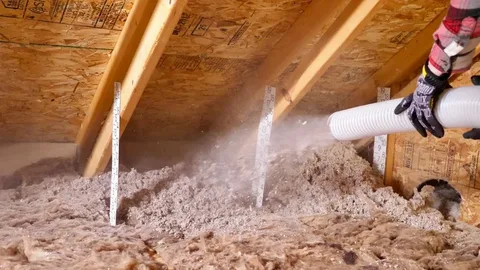
Blown-in insulation uses loose insulation material that installers distribute into cavities with specialized equipment. In existing walls, installers may access cavities through carefully placed openings rather than removing large sections of drywall.
The goal is to create consistent coverage while reducing empty spaces that allow heat to move easily through the wall.
Common blown-in materials include:
- Cellulose
- Fiberglass
- Loose-fill insulation products designed for enclosed spaces
Material choice depends on the building, existing insulation, wall construction, moisture conditions, and project goals.
A wall inspection should happen before installation. Adding insulation without understanding what is already inside the cavity can create uneven results.
When Blow-In Insulation for Walls May Make Sense
This method can work well for homes with under-insulated wall cavities that are otherwise in good condition.
Signs that further evaluation may be useful include:
- Rooms that stay noticeably colder than others
- Exterior walls that feel unusually cold in winter
- High heating or cooling demand
- Drafts near walls or electrical outlets
- Older construction with limited insulation
- Previous renovations with inconsistent insulation
- Temperature changes between different parts of the home
These symptoms do not always prove that insulation is the problem. Air leakage, windows, HVAC performance, and moisture issues can create similar conditions.
Blown-In Insulation vs. Other Insulation Options
Different insulation types solve different problems. blow-in insulation for walls in shepherd mt material works especially well where installers need to fill irregular or difficult-to-reach spaces.
| Insulation Type | Typical Use | Main Consideration |
| Blow-in insulation | Existing walls and attics | Good coverage in cavities |
| Batt insulation | Open framed walls and ceilings | Requires accessible framing |
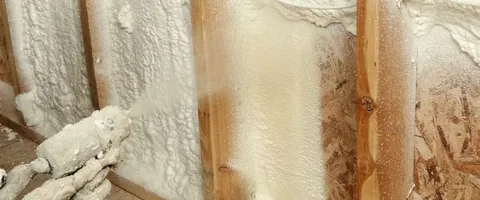
| Spray foam | Gaps, cavities, and air-sealing areas | Higher level of air sealing |
| Added attic insulation | Under-insulated attic floors | Helps improve top-floor protection |
The best option depends on the building rather than on one material being universally better.
What Affects Blown-In Insulation Cost per Square Foot?
Homeowners often search for blown-in insulation cost per square foot, but square footage alone does not determine the final project cost.
Several factors can change the amount of labor and material required:
- Size of the insulated area
- Wall height and construction
- Existing insulation
- Material choice
- Number of access points
- Obstacles inside wall cavities
- Required preparation
- Accessibility around the property
- Repairs needed before installation
Finished walls can also require more careful preparation than open framing.
Instead of comparing only a price per square foot, ask what preparation, insulation depth, material, cleanup, and wall access are included in the estimate.
Common Blow-In Insulation Mistakes
One mistake is assuming that adding more insulation will solve every comfort problem. Insulation slows heat transfer, but it does not automatically correct air leaks, moisture problems, damaged ductwork, or inefficient heating equipment.
Another mistake is filling wall cavities without first checking their condition.
Other problems include:
- Leaving large gaps around obstacles
- Using the wrong material for the application
- Installing inconsistent amounts between cavities
- Ignoring moisture problems
- Blocking areas that require ventilation
- Failing to check existing insulation
- Choosing a contractor based only on price
Proper preparation matters as much as the insulation material itself.
Best Practices Before Adding Wall Insulation
Start with an assessment of the building envelope. Identify which rooms have comfort problems and whether the issue affects specific walls or the entire home.
Check for water intrusion before insulation work begins. Wall cavities should not hide active moisture problems behind new material.
Ask how installers will verify coverage. Uneven filling can leave cold spots even when most of the wall has adequate insulation.
Homeowners searching for the best blow-in insulation near me in Huntley mt should also compare the installation process, material type, preparation steps, and experience with existing-wall projects rather than relying only on online rankings.
Actionable Tips for Homeowners
Walk through your home during cold or windy weather and note which rooms feel different. Pay attention to exterior walls, corners, outlets, and rooms above garages or other unconditioned spaces.
Before requesting an estimate:
- Identify your main comfort concerns.
- Ask what insulation currently exists.
- Check for known moisture problems.
- Discuss whether walls or attic areas need attention first.
- Ask how wall cavities will be accessed.
- Confirm how installation holes will be handled afterward.
For homes in Shepherd and Huntley, it also helps to think about the whole building rather than treating one wall in isolation. Attics, crawl spaces, rim areas, windows, and air leaks can all affect comfort.
Conclusion
Blown-in insulation cost per square foot can be a practical option when existing wall cavities need better thermal coverage but major demolition is not desirable. The quality of the result depends on understanding the wall structure, selecting suitable material, filling cavities evenly, and addressing moisture or air-leak problems first.
Spray Pros Insulation provides blow-in insulation among its insulation services for Montana properties, including areas such as Shepherd and Huntley. Homeowners can make better decisions by comparing the condition of their existing insulation, installation methods, and the factors that influence overall project cost.
FAQs
1. Can blown-in insulation be added to existing walls?
Yes. In many existing homes, installers can access enclosed wall cavities through small openings, depending on the wall design and existing conditions.
2. Is cellulose or fiberglass better for blown-in insulation?
Both can work well. The right choice depends on the wall cavity, existing insulation, moisture conditions, installation method, and project requirements.
3. How is blown-in insulation cost per square foot calculated?
Cost can depend on material, insulation depth, wall access, labor, preparation, existing insulation, and the total area being treated.
4. Can blown-in insulation help with cold rooms?
It may help when poor wall insulation contributes to temperature differences. Air leaks, windows, HVAC issues, and other building conditions should also be checked.
5. Does existing insulation need to be removed first?
Not always. The installer should evaluate the existing material, moisture conditions, available cavity space, and overall wall condition before deciding whether removal is necessary.