Explore Batt Insulation in Huntley, MT, including fiberglass and mineral wool, wall and ceiling uses, installation planning, maintenance, and home comfort.
Insulation has a direct effect on how a home, shop, garage, or commercial building handles changing outdoor temperatures. When wall, ceiling, or floor cavities contain gaps, poorly fitted material, or insufficient insulation, rooms may feel drafty and heating or cooling equipment may need to work harder to maintain comfortable conditions. Batt Insulation offers a practical option for properties where framing cavities are accessible and consistent coverage can be installed between studs, joists, or rafters.
Spray Pros Insulation provides insulation services for residential, commercial, and agricultural properties across Montana and Northern Wyoming. For property owners planning new construction, remodeling, or improvements to an existing building, choosing insulation should involve more than comparing material thickness. Framing dimensions, moisture conditions, air leakage, access, installation quality, and the way the space will be used all matter. Evaluating these factors before installation can help create a better thermal layer and reduce common problems such as gaps, compressed sections, and uneven coverage.
Where Batt Insulation Works Well
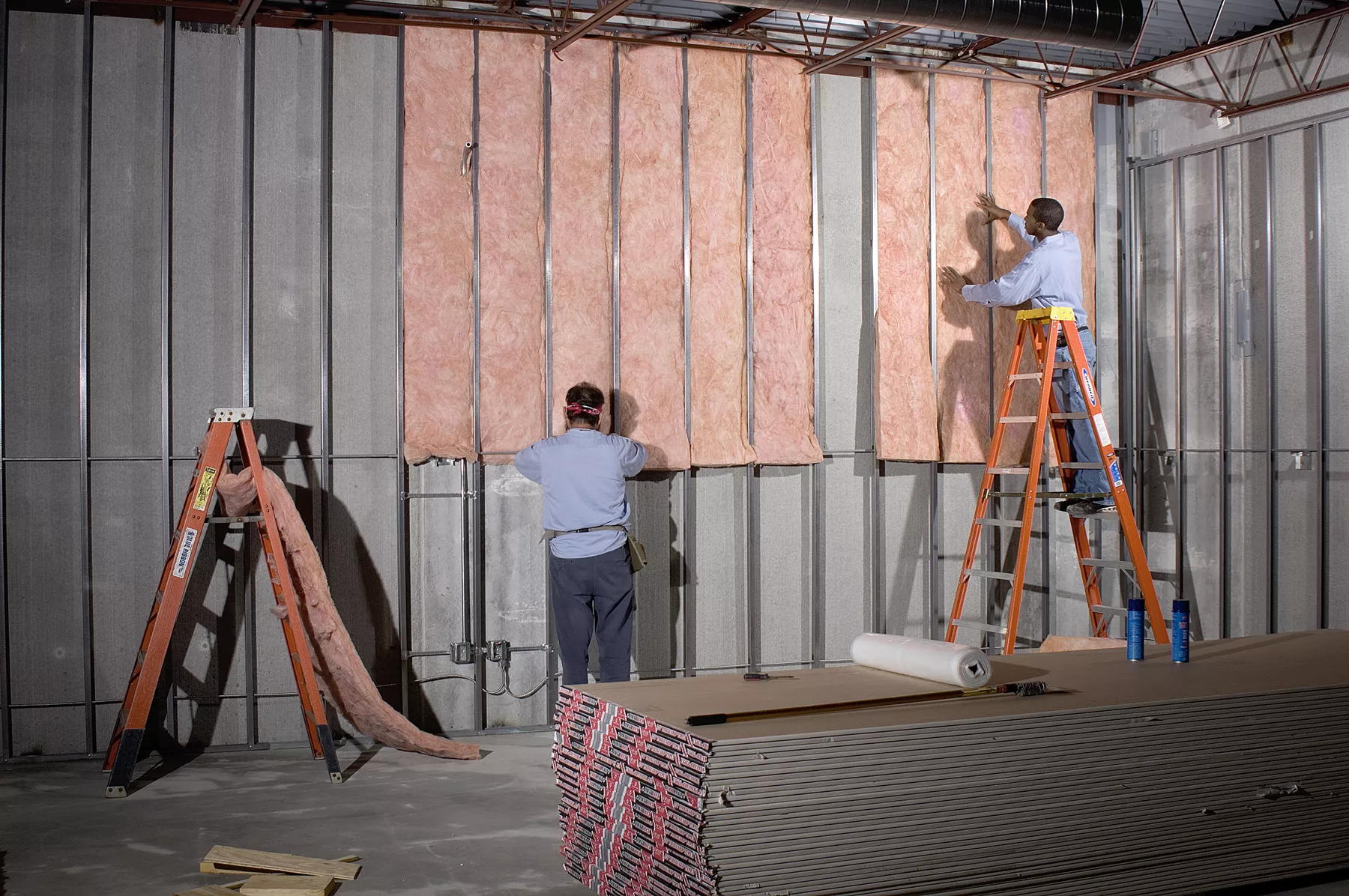
The company’s dedicated Batt Insulation service includes fiberglass and mineral wool products for walls, ceilings, floors, garages, homes, and other building spaces. These materials are manufactured in sections designed to fit common framing cavities, making accurate measurements and careful placement important.
Batt products are often considered during new construction because wall and ceiling cavities are already open. They can also work well during remodeling when drywall or other finishes have been removed. Garages, shops, additions, basements, and other accessible areas may also be suitable depending on the building design.
The key advantage is predictable placement. Installers can see each cavity and fit the material around framing members. That visibility makes it easier to identify missing coverage before walls or ceilings are closed.
However, a batt should not simply be pushed into whatever opening is available. Proper fit matters because large gaps, folds, or excessive compression can affect how consistently the insulation performs across the assembly.
Fiberglass and Mineral Wool Have Different Characteristics
Spray Pros lists both fiberglass and mineral wool as batt insulation options. Although both come in preformed sections, they have different physical characteristics that property owners may want to consider.
Fiberglass batts are widely used in residential construction and can fit standard wall, floor, and ceiling cavities. They are relatively lightweight and available in different thicknesses for different framing arrangements.
Mineral wool is denser and is also commonly considered when sound control or fire resistance is part of the project planning. Its rigidity can help it hold its shape around some framing conditions, although it still needs accurate cutting and placement.
Neither material should be selected only because one sounds more advanced. The choice should depend on the building assembly, intended application, budget, required thermal performance, moisture conditions, and other project priorities.
A contractor should also consider whether faced or unfaced material is appropriate for the planned assembly rather than applying the same product everywhere.
Proper Fit Is Critical to Thermal Performance
One of the most common installation concerns with batt insulation is poor fit. Insulation works best when it fills the intended cavity consistently without unnecessary gaps or compression.
Electrical boxes, plumbing lines, wiring, framing intersections, and other obstacles can complicate installation. Instead of forcing a full batt around these areas, the material may need to be cut carefully so coverage continues around the obstruction.
Small gaps may appear insignificant when viewed individually, but repeated gaps across many framing cavities can create inconsistent thermal protection. Compression can create another problem. Stuffing material intended for a deeper cavity into a smaller space does not automatically provide better insulation.
For property owners considering batt insulation installation in Huntley, MT, careful fitting is particularly relevant in new builds, pole barns, garages, remodels, and other projects where framing cavities are accessible. Looking at the entire surface before it is covered can help identify weak spots while corrections are still straightforward.
Air Sealing and Insulation Are Related but Different
Batt insulation slows heat transfer, but it is not automatically an air-sealing system. Air can still move through cracks around framing, utility penetrations, attic openings, plumbing connections, and other small gaps.
This distinction matters because a wall or attic may contain insulation and still feel drafty if uncontrolled air movement is present.
Before installing new batts, accessible air leaks may need to be evaluated. Areas around penetrations and framing connections deserve attention because they can allow conditioned indoor air to escape or outside air to enter.
Insulation and air sealing should therefore be viewed as related parts of building performance. Filling a cavity with insulation without considering significant leakage paths may leave comfort problems unresolved.
This is especially useful to remember during renovation work. Once drywall or another finish is installed, many framing cavities become much harder to access.
Batt Insulation in Walls, Ceilings, and Floors
Different parts of a building place different demands on insulation. Wall cavities are generally vertical and contain outlets, wires, pipes, blocking, and other interruptions. Each batt may need trimming so it fits around these features without leaving exposed areas.
Ceiling and attic applications require attention to the framing configuration and surrounding building components. Ventilation paths, recessed fixtures, access openings, and other features should not be ignored simply to achieve continuous-looking coverage.
Floor insulation may be installed between joists over crawl spaces, garages, or other areas where temperature differences exist between levels. Installation needs to remain secure and properly positioned rather than sagging away from the surface it is intended to protect.
Garages and workshops present another common use. Insulating walls or ceilings can make these spaces more manageable when they are used for projects, storage, or other regular activities.
Each application should be evaluated separately instead of assuming that the same installation approach works throughout the building.
Moisture Conditions Need Attention Before Installation
Installing new material over an unresolved moisture problem can hide damage rather than fix it. Before insulation is added, property owners should pay attention to staining, damp framing, roof leaks, plumbing leaks, condensation, or other signs that water is entering the assembly.
Wet insulation may not perform as intended, and persistent moisture can affect surrounding building materials. The source should therefore be investigated before the cavity is closed.
Basements, crawl spaces, rooflines, and exterior walls can have different moisture concerns depending on how the building was constructed. Vapor control and ventilation requirements may also vary by assembly.
Insulation should be part of a dry, properly planned building system. Treating it as a substitute for roof repair, drainage correction, or plumbing work can allow the original problem to continue behind finished surfaces.
Planning Batt Insulation During Remodeling
Remodeling creates a useful opportunity to evaluate insulation that is normally hidden. When walls or ceilings are already open for another project, property owners can inspect existing coverage before new finishes are installed.
Older batts may be damaged, displaced, compressed, or missing from certain cavities. Some areas may also have been disturbed during previous electrical, plumbing, or remodeling work.
If new insulation is being added, the project sequence matters. Electrical and plumbing rough-ins generally need to be coordinated so newly installed material is not repeatedly removed or damaged by later work.
Measurements should also be taken after framing conditions are understood. Standard product sizes may fit much of a wall while unusual cavities require careful cutting.
Planning insulation alongside the overall renovation helps keep the work organized and gives installers a clearer view of areas that need attention.
Think About Sound Control as Well as Temperature
Thermal comfort is usually the main reason property owners consider insulation, but batt materials can also reduce sound transfer in certain building assemblies.
Interior walls around bedrooms, bathrooms, home offices, utility rooms, or workshops may benefit from added sound control. Floors between occupied levels can also be considered when footsteps and everyday household noise are concerns.
Mineral wool is often evaluated for acoustic applications because of its density, while fiberglass batts can also help reduce sound movement when installed appropriately.
Property owners planning insulation improvements in Hardin, MT may want to identify noise-sensitive areas before walls are closed. Adding insulation later can require reopening finished surfaces, making the construction or remodeling stage a practical time to address both thermal and acoustic goals.
Sound control still depends on the entire wall or floor assembly, so insulation should be considered one component rather than a complete soundproofing solution.
Inspect the Work Before Covering It
One benefit of batt installation is that coverage can be visually reviewed while framing remains open. Property owners or contractors can look for gaps, compressed sections, missing cavities, loose material, and areas that have not been fitted around obstructions.
This inspection should happen before drywall, paneling, or another finish hides the work.
Pay particular attention around corners, electrical boxes, pipes, windows, doors, and irregular framing. These areas often require additional cutting and fitting.
If another trade needs access after insulation has been installed, the affected areas should be checked again. Wiring or plumbing work can move batts out of position without anyone noticing before the wall is closed.
A final visual review is a simple step that can prevent obvious installation defects from becoming hidden problems.
Maintaining Insulated Areas Over Time
Batt insulation does not require frequent routine maintenance when it remains protected inside a finished building assembly. However, property changes can affect it.
Roof leaks, plumbing failures, pests, renovations, or work performed in attics and crawl spaces may disturb existing insulation. If an area becomes exposed during future repairs, it is useful to check whether the material is still dry, properly positioned, and providing continuous coverage.
Homeowners should also investigate unexplained drafts or significant temperature differences between rooms rather than immediately assuming more insulation needs to be added. Air leakage, HVAC issues, windows, doors, and other building conditions can create similar symptoms.
Spray Pros Insulation works with several insulation systems, so evaluating the existing structure first can help determine whether batt material is appropriate for the specific space or whether another insulation approach better matches the project.
Conclusion
Batt Insulation can be a practical choice for walls, ceilings, floors, garages, shops, and other spaces where framing cavities are accessible. The effectiveness of the installation depends heavily on material selection, correct sizing, air sealing, moisture conditions, careful fitting, and inspection before finished surfaces are installed.
In Huntley, property owners planning construction or remodeling can benefit from reviewing the building assembly before selecting fiberglass or mineral wool batts. In Hardin, the same approach can help homeowners and businesses identify insulation gaps, moisture concerns, and installation obstacles before work begins.
Spray Pros Insulation provides batt, spray foam, and blow-in insulation across its Montana and Northern Wyoming service areas. Choosing a material that suits the actual structure and paying attention to installation details can help create more consistent thermal coverage and better everyday comfort.
Frequently Asked Questions
What is Batt Insulation commonly used for?
Batt products are commonly installed in accessible wall, ceiling, floor, garage, and framing cavities. They can be used during new construction, remodeling, additions, and other projects where installers can reach the open building assembly.
What types of Batt Insulation does Spray Pros offer?
The company’s service information identifies fiberglass and mineral wool batts. The better option depends on the building assembly, thermal needs, sound-control goals, budget, and other project conditions.
Can Batt Insulation help reduce drafts?
Batt material can improve thermal coverage, but drafts may also come from air leaks around framing, plumbing, wiring, doors, windows, and other penetrations. Air leakage should be evaluated separately rather than expecting insulation alone to seal every opening.
Why should Batt Insulation not be compressed?
Batt products are designed to work at particular thicknesses and densities. Excessive compression can change how the material performs and may create inconsistent coverage. Properly sized material should fit the intended cavity without being forced into place.
Should moisture problems be fixed before adding new insulation?
Yes. Roof leaks, plumbing leaks, condensation, and other moisture sources should be investigated before insulation is installed and covered. New insulation should not be used to hide an active moisture problem.
When is the best time to inspect newly installed batts?
Inspection is easiest before drywall, paneling, or another finish covers the framing. This allows gaps, compression, displaced pieces, and areas around utilities or irregular framing to be identified and corrected while they remain accessible.