Batt Insulation in Shepherd, MT improves comfort, reduces drafts, controls noise, and supports energy-efficient homes, garages, shops, and buildings daily.
A comfortable building depends on insulation being installed evenly rather than simply filling visible wall or ceiling cavities. Small gaps, compressed sections, and poorly fitted material can create weak points that allow unwanted heat transfer and reduce overall performance. Spray Pros Insulation provides insulation solutions for homes, businesses, barns, shops, garages, and other properties throughout Montana and Northern Wyoming. Batt Insulation remains a practical option for many projects because pre-cut fiberglass or mineral wool sections can be fitted between framing members in walls, ceilings, floors, basements, and other accessible areas. For property owners in Shepherd, Powell, and surrounding communities, good results depend on measuring each cavity, choosing appropriate material, working carefully around wiring and other obstructions, and avoiding gaps around edges. Whether the project involves new construction, remodeling, or upgrading an under-insulated space, careful installation can help create steadier indoor temperatures and a more comfortable building throughout changing seasons.
What Batt Insulation Is Designed to Do
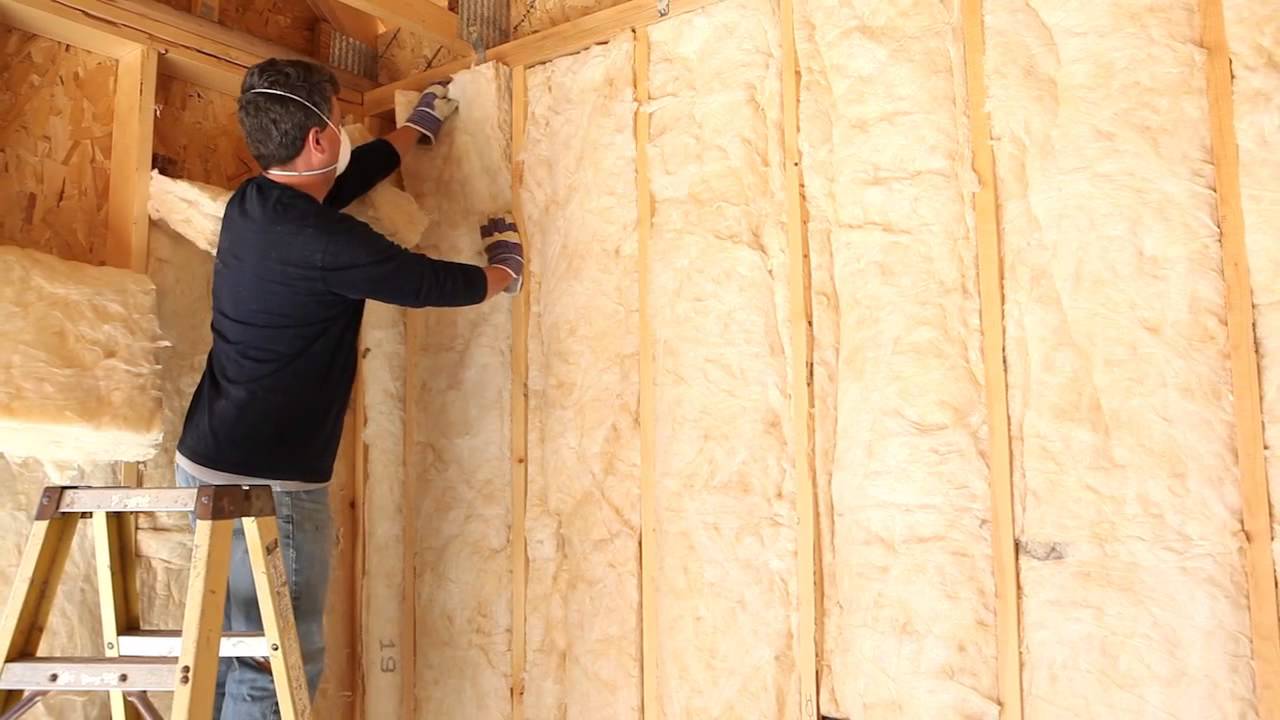
Professional Batt Insulation uses manufactured sections of fiberglass or mineral wool that are fitted between wall studs, floor joists, ceiling framing, and other building cavities.
Unlike loose-fill insulation that is blown into an area, batts are placed individually.
That makes accurate fitting especially important.
Each piece should fill the intended cavity without being forced into a space that is too small or leaving unnecessary open edges around the material.
Spray Pros offers fiberglass and mineral wool options for residential and commercial applications.
Batt systems can support thermal performance while also helping reduce sound transfer between certain rooms, floors, or adjoining spaces.
The material selected should match the project area, required insulation level, building design, and environmental conditions.
Batt Insulation in Shepherd, MT
Property owners considering Batt Insulation in Shepherd, MT can use this insulation type in walls, ceilings, floors, garages, sheds, remodels, and new construction.
The Shepherd service page specifically identifies both fiberglass and mineral wool batt installation.
Homes in the area experience seasonal temperature changes that can make poorly insulated sections more noticeable.
A room near an exterior wall may feel colder in winter, while upper floors can become uncomfortable when insulation coverage is inconsistent.
Before new material is installed, the existing cavity should be checked for moisture, damage, old insulation, and other conditions that could interfere with the project.
Insulation should address thermal performance after the building area itself is in suitable condition.
Installing new batts over unresolved moisture or damaged materials can hide a problem rather than correct it.
Batt Insulation Installation in Powell, WY
Homeowners looking for Batt Insulation installation in Powell, WY can use fiberglass or mineral wool in walls, ceilings, basements, garages, and other accessible framing cavities.
The Powell service page also supports batt systems for remodels, new homes, shops, and detached structures.
A remodeling project can be a particularly good time to review insulation because wall or ceiling cavities may already be open.
Instead of closing the space with the same old insulation layout, property owners can check whether material has settled, become damaged, or was installed with gaps during earlier construction.
New-build projects provide even more flexibility because insulation can be coordinated with framing before drywall or finished surfaces limit access.
The goal is consistent coverage across the entire building envelope rather than concentrating insulation only in the easiest sections to reach.
Fiberglass Batt Insulation
Fiberglass is one of the most familiar batt materials used in residential construction.
It is available in different thicknesses and dimensions to fit common framing layouts.
When properly installed, fiberglass can provide reliable thermal resistance without requiring complicated equipment.
The main challenge is maintaining complete coverage.
Material should fit around electrical boxes, pipes, wiring, and other obstacles without large gaps.
Compressing a batt heavily into a cavity can also affect how the material performs.
Installers should select a size suited to the framing and cut pieces where necessary rather than forcing oversized material into place.
For homeowners, the visible simplicity of fiberglass can sometimes make installation appear easier than it actually is.
Consistent fitting across hundreds of cavities requires careful attention.
Mineral Wool for Thermal and Sound Control
Mineral wool offers another batt-style insulation option.
Its denser structure can make it useful in projects where both thermal resistance and sound control are important.
Interior walls between bedrooms, offices, workshops, or mechanical spaces may benefit from insulation selected partly for acoustic performance.
The same material can also be used in suitable exterior wall, ceiling, or floor assemblies depending on the project.
Sound reduction should still be viewed as a complete building issue.
Doors, openings, ductwork, wall construction, and other paths can allow noise to travel even when insulated cavities perform well.
Batt material can help reduce transmission through the insulated area, but it should not be treated as the only factor controlling sound throughout an entire building.
Why Accurate Cutting Matters
Framing cavities are not always perfectly uniform.
Electrical boxes interrupt wall sections, plumbing may cross stud bays, and older construction can contain dimensions that differ from modern standard spacing.
Batt material needs to follow these real conditions.
Leaving an open strip beside a pipe or electrical box can create a weak point where heat moves more easily through the assembly.
Installers may split or carefully cut material around obstacles so insulation remains continuous.
Small details repeated throughout an entire building can make a meaningful difference.
A wall with excellent material in most cavities can still underperform when numerous gaps are left around framing intersections and building services.
Quality installation depends as much on fitting as it does on the insulation product itself.
Batt Insulation for Garages and Workshops
Garages and workshops can benefit from insulation when homeowners want better temperature control or when the spaces connect directly with conditioned parts of the home.
Detached buildings may also be insulated to make them more usable during different seasons.
Walls and ceilings are common areas for batt installation because framing may already provide clearly defined cavities.
The intended use of the garage should influence the project.
A space used mainly for vehicle storage has different comfort expectations from a workshop where someone spends several hours each day.
If heating or cooling will be added later, planning the insulation before equipment selection can help create a more complete approach.
Doors, windows, ceiling areas, and air leakage should also be considered rather than focusing only on wall cavities.
Insulating Basements and Lower Levels
Basements can feel uncomfortable when exterior walls, rim areas, floors above, or other building sections allow significant heat transfer.
Batt material may be suitable for certain framed basement assemblies depending on the construction and moisture conditions.
Moisture deserves attention before insulation is added.
A damp wall, recurring water entry, or active leak should be corrected first.
Insulation is not a repair for water intrusion.
Once the area is dry and appropriate for the planned system, batt material can be installed within framing to support temperature control.
Finished basements may also use insulation in interior walls or ceilings where reducing sound between living spaces is a priority.
The insulation approach should match both the building conditions and how the lower level will be used.
New Construction Offers Better Access
New construction provides one of the easiest opportunities to install batts carefully because framing remains exposed.
Installers can see every cavity and work around electrical, plumbing, and mechanical components before drywall closes the walls.
Builders and property owners should coordinate insulation timing with other trades.
Installing too early can lead to material being moved or damaged when additional wiring or pipes are added afterward.
Installing after all major rough-in work is complete generally provides a clearer picture of the final cavities.
Each section can then be fitted around the finished building services.
Good sequencing reduces the chance that later work creates openings in insulation that are never corrected before walls close.
Batt Insulation During Remodeling
Remodeling can reveal insulation conditions that homeowners could not see previously.
Removing wall coverings may expose thin material, empty cavities, water-damaged insulation, or sections that were never fitted properly.
This creates an opportunity to improve coverage before the room is refinished.
Not every remodel requires removing all existing insulation.
Material that remains dry, properly fitted, and appropriate for the project may still be usable.
The condition should be evaluated rather than assuming replacement is always necessary.
If insulation needs improvement, addressing it while the cavity is open can be much simpler than reopening finished walls later.
This makes insulation planning an important part of remodeling even when comfort improvement was not the original reason for the project.
Do Not Ignore Air Leakage
Batt insulation and air sealing address related but different building-performance concerns.
Batt material slows heat transfer through insulated cavities.
Air can still move through cracks around framing, penetrations, windows, doors, and other openings.
A wall can contain adequate insulation while drafts continue entering through nearby gaps.
Property owners concerned about comfort should therefore consider whether air leakage is contributing to the problem.
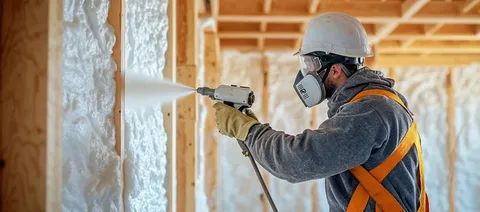
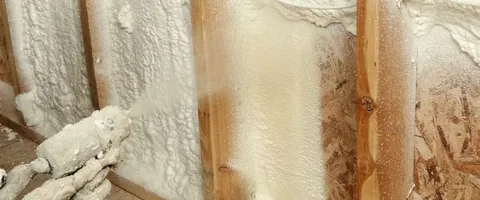
Spray Pros Insulation also works with spray foam systems, which are commonly used where stronger air-sealing characteristics are desired.
The right approach can vary by part of the building.
Some projects may use batt material throughout straightforward framing cavities while addressing specific leakage areas separately.
Choosing the Correct Insulation Level
More insulation is not automatically better when material is installed incorrectly.
The project should use an insulation level appropriate for the building assembly and local requirements.
Wall cavity depth places practical limits on how thick certain batt products can be installed without modifying construction.
Ceilings and floors may allow different configurations.
Property owners working on additions, new construction, or major renovations should confirm applicable building requirements for the project.
Material thickness, density, and placement all contribute to performance.
Trying to force excessive insulation into a shallow cavity can compress the product instead of creating a better assembly.
A contractor can help select material that fits the available framing and the goals of the project.
Protecting Insulation From Moisture
Insulation performs best when the building is kept dry.
Roof leaks, plumbing problems, groundwater, condensation, or exterior water entry can affect insulation and nearby building materials.
Any known moisture issue should be corrected before new batts are installed.
Property owners should also investigate staining, damp framing, unusual odors, or visible deterioration discovered during renovation.
Covering these conditions with insulation and drywall can make them harder to monitor.
Once the building area is sound, the insulation can become part of a better-performing wall, floor, or ceiling assembly.
Keeping moisture management separate from insulation installation helps prevent one project from being expected to solve a problem it was not designed to address.
Choosing a Batt Insulation Contractor
A contractor should evaluate where the insulation will be installed and what the property owner wants to improve.
Homeowners can discuss rooms with temperature differences, exposed framing, remodeling plans, garage use, sound concerns, and areas where existing insulation appears damaged.
The contractor should explain whether fiberglass or mineral wool is appropriate and how cavities around wiring, pipes, and other obstructions will be handled.
Spray Pros Insulation provides batt installation for homes, businesses, shops, barns, garages, and other structures across Montana and Northern Wyoming.
Careful fitting and consistent coverage are important because even a good insulation product can lose effectiveness when large gaps are left throughout the installation.
Conclusion
Batt Insulation remains a practical choice for many new construction, remodeling, garage, basement, wall, floor, and ceiling projects.
For properties in Shepherd and Powell, fiberglass and mineral wool systems can support more stable indoor temperatures while providing options for sound control in selected applications.
The quality of the installation matters as much as the material itself.
Batts should fit framing cavities carefully, work around obstacles without unnecessary gaps, and remain protected from moisture and physical damage.
Property owners should also consider air leakage, building condition, and the intended use of each space when planning an insulation upgrade.
Spray Pros Insulation provides several insulation methods, allowing batt systems to be selected where their installation style and performance characteristics fit the property.
With accurate measurements, appropriate materials, and careful placement, property owners can create more consistent insulation coverage and improve comfort across frequently used spaces.
Frequently Asked Questions
What is Batt Insulation?
Batt Insulation uses pre-cut fiberglass or mineral wool sections installed between framing members in walls, ceilings, floors, garages, and other accessible building cavities.
Where can Batt Insulation be installed?
Common applications include exterior and interior walls, ceilings, floors, basements, garages, workshops, additions, remodels, and new construction.
What is the difference between fiberglass and mineral wool batts?
Both provide thermal insulation, while mineral wool is denser and can be useful where additional sound-control or specific material characteristics are desired.
Can Batt Insulation be added during a remodel?
Yes. Remodeling can provide convenient access to wall and ceiling cavities, making it a good time to evaluate and improve existing insulation.
Why should batts be cut around electrical boxes and pipes?
Accurate cutting helps reduce gaps around obstacles so the insulation provides more consistent coverage throughout the framing cavity.
Does Batt Insulation stop all air leaks?
No. Batt insulation primarily resists heat transfer. Cracks, penetrations, and other air-leak locations may require separate air-sealing measures.