Open-cell spray foam in Columbus, MT improves air sealing, comfort, sound control, wall coverage, and insulation performance for area homes and businesses.
Insulation affects indoor comfort, heating and cooling demand, air movement, sound transfer, and how consistently different rooms maintain temperature. Gaps around framing, wall cavities, ceilings, crawl spaces, and other hard-to-reach areas can reduce the performance of an otherwise insulated building. Spray Pros Insulation provides insulation services for residential, commercial, and agricultural properties throughout Montana and Northern Wyoming, including spray foam, blow-in, and batt insulation. Open-cell spray foam is one option available for properties where homeowners, builders, or business owners want a spray-applied material that expands into irregular spaces and helps limit uncontrolled air movement. It can be considered for walls, ceilings, attics, crawl spaces, basements, garages, shops, and other suitable areas depending on the building design. Property owners in Columbus, Roundup, and nearby communities should evaluate existing insulation, moisture conditions, access, ventilation, construction type, and the intended use of each space before deciding whether open-cell foam is appropriate.
How Open-Cell Spray Foam Insulation Works
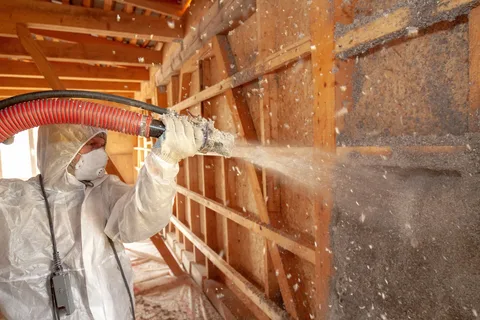
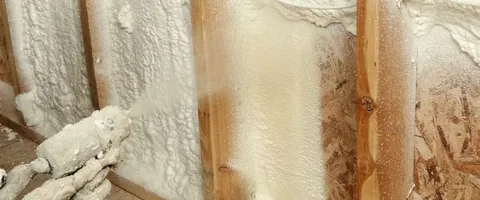
Professional open-cell spray foam insulation is applied as a liquid material that expands after installation and fills gaps around suitable framing and building surfaces.
The cured foam has a softer and less dense structure than closed-cell spray foam.
Because the material expands, it can reach irregular spaces that may be difficult to cover consistently with pre-cut insulation.
This characteristic can make open-cell foam useful in walls, ceilings, attics, and other areas where air leakage around framing or penetrations is a concern.
Installation quality still matters.
Foam should be applied to properly prepared surfaces, and coverage should follow the requirements of the specific building area.
A thick application in one section does not compensate for missed gaps or areas that were not prepared correctly.
The contractor should understand the building assembly before deciding where spray foam belongs.
Open-Cell Versus Closed-Cell Spray Foam
Open-cell and closed-cell foam are both spray-applied insulation products, but they behave differently after curing.
Open-cell foam is generally softer, lighter, and more flexible.
Closed-cell foam is denser and more rigid.
These differences influence where each option may be considered.
Open-cell foam is often evaluated for interior wall systems, ceilings, sound-control applications, and other areas where its expansion and flexibility are useful.
Closed-cell foam may be selected where higher density, moisture resistance, or greater insulation value within limited space is important.
One material is not automatically the right choice for every part of a building.
The contractor should consider cavity depth, moisture exposure, ventilation, climate, structural design, and the purpose of the space before recommending a foam type.
A home may even use different insulation materials in different areas.
Open-Cell Spray Foam in Columbus, MT
Property owners considering open-cell spray foam in Columbus, MT may be insulating new construction, upgrading an older home, improving a garage, or addressing rooms with inconsistent comfort.
The dedicated Columbus page confirms that Spray Pros provides spray foam, blow-in, and batt insulation for homes and businesses in the area.
Before open-cell foam is installed, the contractor should identify which building surfaces form the intended insulation boundary.
This may include wall cavities, attic areas, ceilings, floors, or other accessible sections depending on the project.
Older buildings deserve additional evaluation because existing insulation may have settled, shifted, or been disturbed during previous repairs.
Renovations can provide useful access because wall and ceiling cavities may already be open.
Homeowners should also mention any known roof leaks, plumbing leaks, or moisture concerns before insulation begins.
Spray foam should be part of a properly prepared building rather than used to hide unresolved water problems.
Open-Cell Spray Foam Services in Roundup, MT
Homeowners and businesses looking for open-cell spray foam services in Roundup, MT can consider the material for walls, attics, crawl spaces, garages, and other suitable spaces.
The Roundup area page specifically identifies spray foam as an option for air sealing and insulation in several common building areas.
Montana properties can experience significant seasonal temperature changes, making consistent insulation coverage important for indoor comfort.
Open-cell foam can help reduce air movement through cracks and irregular gaps when installed as part of the correct building assembly.
The existing condition of the property should still guide the project.
An older attic with damaged insulation may require different preparation from a newly framed wall system.
A garage being converted into a regularly used workspace may also have different insulation goals from an unfinished storage area.
Understanding how the space will be used helps the contractor recommend appropriate coverage and installation locations.
Air Sealing and Draft Reduction
One reason property owners consider spray foam is its ability to expand around irregular spaces.
Small gaps around framing, electrical penetrations, plumbing routes, and other openings can allow air to move through a building envelope.
Those gaps can contribute to drafts and uneven temperatures.
Traditional insulation can provide strong thermal performance when installed correctly, but it may not always seal every irregular opening by itself.
Spray foam can address some of these spaces while also providing insulation.
Air sealing should still be approached carefully.
Buildings need properly designed ventilation, and mechanical systems should continue receiving the airflow they require.
The goal is to reduce uncontrolled leakage without interfering with systems that are intended to move air.
A contractor should consider both insulation and ventilation when planning the project.
Open-Cell Foam for Walls and Ceilings
Walls and ceilings are common areas where open-cell foam may be considered.
During new construction or remodeling, open framing provides direct access to cavities before drywall or other finishes are installed.
The foam can expand around framing and penetrations within the intended application area.
Wall insulation can support more consistent indoor temperatures and may also help reduce some sound transfer between rooms or from outdoors.
Ceiling applications can have similar benefits depending on the building design.
Before spraying begins, electrical and plumbing work should be coordinated so future changes do not immediately require cutting into new insulation.
Open cavities should also be checked for leaks, damaged framing, debris, or other conditions that should be corrected first.
Good sequencing makes the insulation installation easier and reduces unnecessary rework later.
Sound Control Benefits
Open-cell spray foam is often considered where property owners want both thermal insulation and some reduction in sound movement.
Its softer cellular structure can help absorb certain types of airborne sound within walls or ceilings.
Bedrooms, offices, media rooms, shared walls, workshops, and other spaces may benefit from additional sound control depending on construction.
However, insulation alone does not make a room completely soundproof.
Doors, windows, framing connections, floors, ceilings, and openings can all transmit noise.
Property owners should have realistic expectations and consider the complete room assembly when sound reduction is an important goal.
Spray foam can be one part of that plan, but the building design and other materials influence the final result.
Attic and Roofline Applications
Attics can lose or gain significant heat when insulation coverage is incomplete.
Spray foam may be considered in certain attic or roofline applications depending on how the structure is designed.
The correct location should be determined before installation.
Some attic systems are designed around ventilation at the roof or eaves, while other assemblies use different approaches.
Existing vents should not simply be covered without understanding their purpose.
Roof condition also needs attention.
Active leaks should be repaired before insulation is placed near affected areas.
A homeowner should discuss whether the foam will be applied along the attic floor, roofline, walls, or another surface.
Clear planning helps ensure the insulation boundary matches the intended design of the building.
Garages, Shops, and Outbuildings
Open-cell spray foam may also be useful in garages, shops, and other buildings where temperature control or sound reduction is important.
The required insulation plan depends on how the space is used.
An unconditioned storage building may have different needs from a workshop that is heated or cooled throughout the year.
Garages attached to homes should also be considered in relation to nearby living spaces.
Wall and ceiling cavities may influence comfort in rooms located beside or above the garage.
Agricultural and commercial buildings can have larger wall and roof areas that require additional planning.
Spray Pros Insulation works with residential, commercial, and agricultural applications, so project size and building use should be explained before installation is planned.
Preparing for Spray Foam Installation
Preparation begins with clearing access to the areas that will receive foam.
Stored items, furniture, equipment, and other materials may need to be moved depending on the project.
Surfaces should be checked for moisture, dirt, old insulation, loose material, or other conditions that could interfere with application.
Electrical, plumbing, and mechanical work should also be coordinated before the foam is installed where possible.
Windows, doors, finished surfaces, equipment, and areas outside the intended spray zone should be protected.
The contractor should explain what needs to be removed and what can remain.
Homeowners should also ask when the space can be safely re-entered and when other construction work can continue.
Clear preparation helps the installation process move more efficiently.
Open-Cell Foam During Remodeling
Remodeling can provide a practical opportunity to upgrade insulation.
Once walls or ceilings are opened, contractors can inspect areas that were previously hidden.
Old insulation may have shifted, settled, or been installed inconsistently.
Air gaps around framing and penetrations can also become easier to identify.
Before new foam is applied, any water damage, deteriorated wood, or other building problems should be addressed.
The remodeling plan should also account for future access.
Areas containing plumbing valves, electrical equipment, or components that may require maintenance should remain accessible where necessary.
Insulation work should be coordinated with drywall, electrical, plumbing, HVAC, and other trades so completed areas do not need to be opened again unnecessarily.
Maintaining a Building After Installation
Open-cell spray foam is usually concealed after installation, but the surrounding building still needs normal maintenance.
Roof leaks, plumbing leaks, ventilation problems, and HVAC issues should be addressed promptly.
A new insulation system does not prevent unrelated building problems from developing.
If future contractors need access to areas containing spray foam, they should know the material is present before cutting or drilling.
Property owners should also monitor indoor comfort over time.
Unexpected temperature changes may involve windows, HVAC equipment, ductwork, or other parts of the building rather than the insulation itself.
Insulation works together with the rest of the building envelope and mechanical systems.
Choosing an Open-Cell Spray Foam Contractor
A contractor should inspect the project area before recommending open-cell spray foam.
Ask why open-cell foam is appropriate for the specific space and how it compares with closed-cell foam, batt insulation, or blow-in material for that application.
The contractor should explain where the foam will be installed, what preparation is required, and whether existing insulation must be removed.
Moisture, ventilation, electrical components, plumbing, and future access should also be discussed.
Property owners should understand the scope before work begins rather than making decisions based only on material type.
A clear plan helps ensure the insulation is selected around the building instead of forcing the building to fit a generic insulation method.
Conclusion
Open-cell spray foam can provide insulation, air sealing, and sound-control benefits in suitable walls, ceilings, attics, garages, crawl spaces, and other building areas.
For property owners in Columbus and Roundup, the project should begin with evaluating the structure, existing insulation, moisture conditions, ventilation, access, and intended use of the space.
Open-cell foam is softer and less dense than closed-cell foam, which gives each product different characteristics and applications.
Proper preparation is equally important.
Leaks, damaged materials, unfinished electrical work, and other conditions should be addressed before new insulation covers those areas.
Spray Pros Insulation provides open-cell and closed-cell spray foam options as part of its wider insulation services.
By choosing the foam type around the actual building conditions and coordinating installation with other construction systems, property owners can improve insulation coverage while supporting more consistent indoor comfort.
Frequently Asked Questions
What is open-cell spray foam insulation?
Open-cell spray foam is a lightweight spray-applied insulation that expands after installation and can fill gaps and irregular spaces within suitable building assemblies.
How is open-cell foam different from closed-cell foam?
Open-cell foam is generally softer, lighter, and less dense, while closed-cell foam cures into a denser and more rigid insulation layer.
Can open-cell spray foam help reduce drafts?
Yes. Its expanding application can help seal certain gaps and openings that allow uncontrolled air movement through walls, ceilings, or other building areas.
Can open-cell foam help with sound control?
It can help reduce some airborne sound transfer, but complete soundproofing depends on the entire wall, ceiling, door, window, and structural assembly.
Can open-cell spray foam be installed during remodeling?
Yes. Remodeling can provide useful access to open wall and ceiling cavities, allowing existing insulation and hidden building conditions to be evaluated before installation.
Should leaks be repaired before spray foam is installed?
Yes. Active roof, plumbing, or other moisture problems should be identified and corrected before new insulation is applied to affected areas.