Learn how batt insulation in Laurel, MT can improve thermal coverage, reduce unwanted heat transfer, support sound control, and protect walls, floors, and ceilings.
A building can have modern heating and cooling equipment yet still feel uncomfortable when walls, ceilings, or floors do not have enough insulation. Gaps between framing members, poorly fitted materials, and unfinished areas can allow unwanted heat transfer and make indoor temperatures harder to maintain. Spray Pros Insulation installs insulation for residential, commercial, agricultural, and other properties across Montana and Northern Wyoming. Batt insulation is one of the traditional options available for new construction, remodeling, garages, shops, additions, and other projects where framing is accessible. Fiberglass and mineral wool batts are manufactured in sections that can be fitted between studs, joists, and rafters. Correct measurement and placement matter because gaps or compression can reduce the effectiveness of the finished installation. For property owners in Laurel, Cody, and surrounding areas, understanding materials, placement, preparation, and installation details can make it easier to decide whether batt insulation fits a particular project.
How Batt Insulation Works
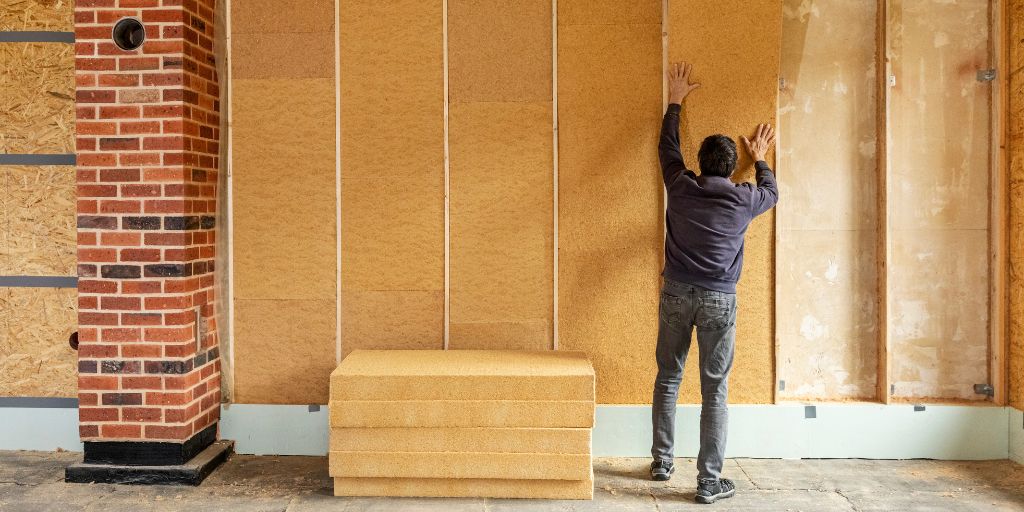
Batt insulation is manufactured in flexible sections designed to fit between common framing spaces.
Filling Framed Cavities
Walls, floors, and ceilings contain spaces between structural members. Batts are measured and cut so the material fills these cavities without leaving unnecessary openings around the edges.
Professional batt insulation may use fiberglass or mineral wool depending on the building, installation area, and project requirements.
The quality of the fit is important. Insulation that is cut too small may leave gaps, while material that is excessively compressed may not perform as intended.
Limiting Heat Transfer
Insulation slows heat movement through parts of the building envelope.
During heating or cooling operation, properly installed insulation can help reduce the rate at which indoor temperatures are affected by conditions on the other side of a wall, ceiling, or floor.
The actual performance of the building also depends on air sealing, windows, doors, HVAC equipment, construction details, and other factors.
Fiberglass and Mineral Wool Batt Options
Spray Pros identifies both fiberglass and mineral wool as materials used for batt insulation.
Fiberglass Batts
Fiberglass batts are widely used in residential and light commercial construction.
They are available in dimensions intended to fit common framing layouts and can be installed in walls, ceilings, floors, garages, and other suitable spaces.
Good installation requires careful cutting around wiring, plumbing, framing, and other obstacles rather than forcing material into place.
Mineral Wool Batts
Mineral wool is another batt-style insulation material.
Its characteristics can make it useful for projects where homeowners or builders are considering thermal insulation along with sound-control or fire-resistance properties.
Material selection should still be based on the particular assembly and project requirements rather than choosing one insulation type for every part of a building.
Where Batt Insulation Can Be Installed
Batt insulation works best where installers can access framing cavities and place individual pieces accurately.
Exterior Walls
Open exterior wall framing is a common location for batt insulation.
This may occur during new construction, additions, major remodeling, or projects where existing wall finishes have already been removed.
Each section should fit around framing and building components without large uncovered spaces.
Ceilings and Attics
Certain ceiling and attic assemblies can also use batt insulation.
Installation planning should account for ventilation, electrical components, access areas, and the structure of the attic or roof assembly.
Batts should not block openings or systems that need to remain accessible or ventilated.
Floors and Basements
Floor systems above garages, crawl areas, basements, or other spaces may also be candidates for batt insulation.
The suitability depends on the building layout, moisture conditions, framing, and how the space below is used.
Batt Insulation for New Construction
New construction provides an ideal opportunity to plan insulation before interior finishes cover walls and ceilings.
Easy Access to Framing
When studs and joists are exposed, installers can measure individual cavities and fit insulation around pipes, wiring, boxes, and structural components.
This can make it easier to identify gaps before drywall or other finishes are installed.
Coordinating With Other Trades
Insulation should be coordinated with electrical, plumbing, HVAC, and framing work.
If insulation is installed before another trade completes work inside the same cavity, sections may later be moved, compressed, or removed.
A clear construction sequence helps protect finished insulation.
Inspecting Before Walls Are Closed
Open framing allows installers and contractors to review insulation coverage before wall finishes are installed.
Areas around corners, windows, doors, electrical boxes, and other details can be checked while corrections are still relatively accessible.
Batt Insulation During Remodeling
Batt insulation can also work well during renovation projects when wall or ceiling cavities are already open.
Improving Previously Uninsulated Areas
Some remodeling projects reveal wall sections with thin, damaged, or missing insulation.
When finishes have already been removed for other work, property owners may have an opportunity to improve those cavities before reconstruction.
Coordinating With Room Changes
Kitchen remodeling, basement finishing, home additions, garage upgrades, and other construction can affect insulation needs.
Changes to walls, plumbing, electrical systems, or room use should be considered before new insulation is installed.
If framing is being modified, the insulation plan should follow the final wall and ceiling layout rather than the previous configuration.
Batt Insulation Services in Laurel, MT
Spray Pros specifically lists fiberglass and mineral wool batt installation for walls, ceilings, and floors on its Laurel service page.
Property owners considering batt insulation services in Laurel, MT may use this insulation type for new homes, renovations, garages, commercial spaces, or other projects where framing is accessible.
Residential Projects
Homeowners may consider batt insulation during room additions, basement projects, garage renovations, or major interior remodeling.
Because batts come in individual sections, installation can be planned around the exact framing layout.
Light Commercial Projects
Smaller commercial spaces may also use batt insulation in walls, ceilings, or interior partitions.
Sound control may be another consideration when offices, meeting areas, or workspaces share walls.
The correct material and assembly should reflect how each part of the building will be used.
Batt Insulation Installation in Cody, WY
Spray Pros also lists fiberglass and mineral wool batt insulation for Cody properties, including ceilings, floors, walls, basements, shops, garages, and new construction.
Property owners researching batt insulation installation in Cody, WY should first identify which cavities are accessible and what the project is intended to improve.
Garage and Shop Insulation
Garages and shops may have large areas of exposed framing that make batt installation practical.
If a space will be heated, cooled, or used regularly, the insulation plan should consider walls, ceilings, doors, windows, and other parts of the building envelope together.
Home Additions
An addition gives homeowners an opportunity to install insulation as part of the original construction sequence.
Framing dimensions, electrical work, plumbing, ventilation, and interior finishes can all be coordinated before the insulation is covered.
Why Installation Quality Matters
Batt insulation is relatively straightforward in appearance, but poor installation can leave weak points.
Avoiding Gaps
Open spaces around pipes, wires, corners, or framing can create areas with less insulation coverage.
Individual batts should be measured and cut carefully around these components.
Avoiding Excessive Compression
Forcing too much material into a cavity can compress the insulation.
The installer should use insulation suited to the available cavity instead of packing material tightly simply to fill space.
Fitting Around Electrical Components
Electrical boxes, cables, plumbing, and other building components often pass through insulated cavities.
Batts may need to be split or trimmed so insulation surrounds these components appropriately instead of bunching around them.
Batt Insulation Compared With Other Insulation Types
Batt insulation is one option among several, and different areas of the same property may call for different materials.
Batt Versus Blow-In Insulation
Batt insulation comes in sections and is generally easiest to install when framing is open.
Blow-in insulation is loose-fill material distributed through specialized equipment and may be useful in attics or certain enclosed cavities.
The choice often depends on accessibility and the shape of the installation area.
Batt Versus Spray Foam
Spray foam expands after application and can help seal small cracks and gaps while providing insulation.
Batt insulation uses preformed sections instead.
Neither option should automatically be considered correct for every location. Building design, budget, access, moisture conditions, and project goals should influence material selection.
Preparing for Batt Insulation Installation
Preparation can improve both installation accuracy and the condition of the finished assembly.
Address Moisture First
Visible leaks or moisture problems should be corrected before insulation is installed.
Covering an active moisture issue with new insulation does not solve the source of the problem.
Complete Rough-In Work
Whenever possible, major plumbing, electrical, and HVAC work inside the cavities should be completed before insulation.
This reduces the chance that newly installed batts will need to be removed or disturbed later.
Keep Framing Accessible
Construction materials, stored items, and debris should be kept away from active work areas.
Clear framing allows installers to measure cavities and inspect completed sections more easily.
Conclusion
Batt insulation can provide a practical way to insulate walls, ceilings, floors, garages, basements, shops, and other framed areas. Fiberglass and mineral wool batts can be fitted between structural members during new construction, additions, remodeling, and other projects where cavities are accessible.
For property owners in Laurel and Cody, the success of a batt insulation project depends heavily on installation quality. Correct sizing, careful cuts, proper placement around wiring and plumbing, and avoiding gaps or excessive compression all matter.
Homeowners and builders should also address moisture problems and complete other work inside wall or ceiling cavities before insulation is installed. When the installation is coordinated with the rest of the construction project, batt insulation can become an effective part of the building’s overall thermal and sound-control strategy.
Frequently Asked Questions
What materials are commonly used for batt insulation?
Fiberglass and mineral wool are common batt insulation materials. The right option depends on the construction assembly, installation location, and project requirements.
Where can batt insulation be installed?
Batt insulation can be used in suitable walls, floors, ceilings, garages, basements, shops, additions, and other framed spaces where the cavities are accessible.
Is batt insulation suitable for remodeling?
Yes. It can be a practical choice when remodeling exposes wall, floor, or ceiling framing and allows installers to fit individual sections directly into the cavities.
Can batt insulation help with sound control?
Certain batt insulation materials can help reduce sound transmission through walls and floors. The overall result also depends on the complete wall or floor assembly.
Why should batt insulation not be compressed?
Excessive compression can affect how the insulation performs. The material should be selected and fitted to the cavity rather than forced tightly into an unsuitable space.
Should electrical and plumbing work be completed before batt insulation?
Whenever practical, work inside the framing cavities should be completed first. This reduces the need to move, cut, or remove newly installed insulation later.