Old loose-fill insulation can lose effectiveness after years of settling, moisture exposure, pest activity, remodeling, or repeated disturbance. When homeowners plan an attic upgrade, professional Blow-in insulation removal services can clear deteriorated material so contractors can inspect the underlying space and prepare it for new insulation. Removal also gives technicians better access to air leaks, wiring, framing, roof-deck concerns, and other conditions that may remain hidden beneath loose insulation.
Spray Pros Insulation provides spray foam, blow-in, and batt insulation services for residential and commercial properties across Montana and Northern Wyoming. The company also discusses removal of old or ineffective insulation as part of blow-in insulation projects.
Professional attic insulation removal is different from simply pushing old material aside. Likewise, old insulation removal may require careful containment when years of dust or debris have accumulated. Depending on attic conditions, technicians may use loose-fill insulation removal, insulation vacuum removal, or more controlled contaminated insulation removal methods before preparing the space for a new thermal system.
Why Old Blow-In Insulation May Need Removal
Blown-in cellulose or fiberglass can remain useful for many years when it stays dry, evenly distributed, and free from major disturbance. However, existing material may become compressed, contaminated, uneven, or damaged over time. Before adding another insulation layer, homeowners should understand what condition the existing material is actually in.
Conditions That Can Reduce Existing Insulation Performance
Professional attic insulation removal may become appropriate when loose material has settled heavily, contains debris, or prevents contractors from properly inspecting the attic floor. Roof leaks, pest activity, remodeling work, and previous repairs can also disturb insulation and leave inconsistent coverage.
A qualified contractor should look at several factors before recommending removal:
- Whether the material is wet or visibly deteriorated
- How evenly the attic remains covered
- Whether pests have disturbed insulation
- Whether wiring or air leaks need access
- Whether new insulation requires a cleaner base
Reliable old insulation removal should solve a specific problem rather than become an automatic step for every attic upgrade. Sometimes existing insulation can remain and receive additional material. In other situations, removing it first creates better access for repairs, cleanup, or air sealing.
Spray Pros notes that blow-in insulation commonly uses cellulose or fiberglass and is frequently installed in attics, wall cavities, and difficult-to-reach spaces.
What Professional Blow-In Insulation Removal Includes
Removal requires more planning than simply collecting loose fibers into bags. Contractors need suitable access, protective measures, extraction equipment, and a clear plan for moving material out without spreading unnecessary debris through occupied areas.
A Controlled Removal Process
Reliable Blow-in insulation removal services should begin with an assessment of the existing attic and insulation. Spray Pros’ blow-in service covers cellulose and fiberglass systems for attics and other building cavities, while the company’s removal content discusses extracting deteriorated loose-fill materials before upgrades.
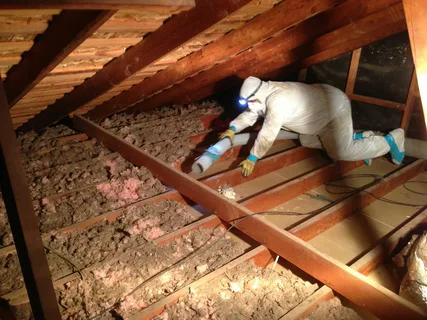
A typical project may involve inspecting attic access, identifying areas that require removal, protecting nearby spaces, extracting loose material, collecting debris, and checking the exposed attic after removal. Loose-fill insulation removal often requires specialized equipment because the material can spread easily when disturbed.
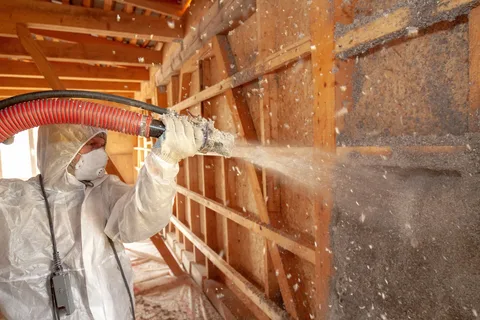
Likewise, professional insulation vacuum removal can move large quantities of loose insulation through hoses into contained collection equipment. This approach helps contractors clear broad attic areas more consistently than manual removal alone.
The final goal is not simply an empty attic. Contractors should leave the area accessible enough for inspection, repairs, air sealing, or replacement insulation work.
Handling Contaminated or Damaged Attic Insulation
Old insulation sometimes contains more than ordinary dust. Pest nesting, roof leaks, moisture exposure, construction debris, or other contamination can change how contractors approach removal. These conditions should be identified before workers begin disturbing large amounts of loose material.
Why Contamination Changes the Removal Plan
Expert Blow-in insulation removal services should evaluate where the affected material is located and whether the problem appears isolated or widespread. Spray Pros’ removal guidance specifically discusses pest-contaminated loose insulation and the use of high-vacuum extraction systems to isolate removed material.
Professional contaminated insulation removal may require additional containment and cleanup compared with removing dry, relatively clean material. Contractors should also determine whether the source of contamination has been corrected. Removing insulation without addressing an active roof leak or pest entry point can allow the same problem to return.
For homeowners considering reliable attic insulation removal in Laurel, MT, inspection should come before deciding whether all existing insulation needs removal. Spray Pros lists blow-in insulation among its Laurel services and describes attic upgrades as one of its common applications.
Careful assessment keeps loose-fill insulation removal focused on actual attic conditions rather than assuming that every older insulation system requires complete extraction.
Why Vacuum Removal Is Useful in Attics
Loose-fill insulation is designed to spread across irregular spaces, which makes it effective for coverage but more challenging to remove. Attempting to shovel or bag large quantities manually can disturb dust and make it difficult to clear corners, joist spaces, and other attic areas consistently.
Using the Right Equipment for Loose Material
Professional insulation vacuum removal uses suction equipment and hoses to transfer loose insulation from the attic into collection containers outside or away from living areas. The method can be especially useful when contractors need broad access to the attic floor before repairs or new insulation installation.
Homeowners considering affordable Blow-in insulation removal services should ask how material will be removed, contained, and transported through the property. Access conditions matter because small attic openings, finished interiors, steep rooflines, and large insulation volumes can affect the work plan.
Proper old insulation removal should also include checking areas around framing and other accessible attic features instead of leaving large pockets of deteriorated material behind. Meanwhile, contaminated insulation removal may require additional precautions depending on what affected the insulation.
The equipment does not replace careful workmanship. A contractor still needs to control hose movement, protect nearby surfaces, and inspect the attic after extraction.
Preparing the Attic for New Insulation
Removing old insulation creates an opportunity to examine areas that were previously covered. This stage can be valuable because contractors may see gaps, penetrations, damaged materials, or other conditions that should receive attention before new insulation goes into place.
What Should Happen Before Reinstallation
Trusted Blow-in insulation removal services should leave enough access for the next phase of the project. Once the old material is cleared, contractors can inspect the attic floor and determine whether additional preparation is necessary.
Homeowners may need to consider air leakage points, visible moisture concerns, damaged surfaces, or other repair needs. Only after those conditions are addressed should new insulation be planned. Spray Pros describes blow-in insulation as suitable for retrofits and attic upgrades using cellulose or fiberglass materials.
For property owners seeking professional old insulation removal in Cody, WY, the company’s Cody page confirms blow-in, spray foam, and batt insulation services for residential and other structures.
Careful attic insulation removal gives installers a cleaner starting point for evaluating future coverage. Likewise, proper preparation can make the next insulation system easier to install consistently across accessible attic areas.
Choosing a Contractor for Insulation Removal
Insulation removal should be based on attic condition, future plans, and the reason the existing material needs to come out. Homeowners benefit from contractors who explain these factors before recommending complete extraction.
Questions Worth Asking Before Work Starts
Before choosing certified Blow-in insulation removal services, homeowners should ask how the existing insulation will be evaluated and what equipment will be used. They should also understand whether the attic requires full removal or only targeted clearing in affected areas.
Useful questions include:
- Why does the existing insulation need removal?
- What type of insulation is currently present?
- How will removed material be contained?
- Will the attic be inspected after extraction?
- What preparation is needed before new insulation?
Professional insulation vacuum removal should be planned around access, volume, and attic conditions. Meanwhile, contaminated insulation removal deserves additional attention because the contractor should understand what caused the contamination before replacement begins.
Spray Pros Insulation states that it serves residential and commercial properties across Montana and Northern Wyoming with blow-in, batt, and spray foam insulation solutions. Choosing an experienced insulation contractor helps homeowners connect removal with the larger goal of improving the building’s thermal system.
Conclusion
Removing existing blow-in insulation can be an important first step when an attic contains deteriorated, heavily settled, contaminated, or repeatedly disturbed material. However, homeowners should not assume that every older insulation layer must automatically come out. A professional evaluation can determine whether full extraction, localized removal, or an insulation upgrade over serviceable material makes more sense.
Reliable loose-fill insulation removal gives contractors better access to attic framing and other previously covered areas. Likewise, insulation vacuum removal can provide an efficient method for extracting large volumes of cellulose or fiberglass while keeping removed material contained.
When pests, moisture, or debris have affected the attic, professional contaminated insulation removal should also consider the source of the problem. Installing new material without addressing the underlying condition can undermine the purpose of the upgrade.
Spray Pros Insulation provides insulation services across Montana and Northern Wyoming and works with blow-in cellulose and fiberglass systems for attic and building-envelope improvements.
The most effective project treats removal as part of a complete process: inspect the existing insulation, determine why it needs attention, remove the appropriate material, evaluate the exposed attic, correct relevant problems, and then prepare for the next insulation system.
FAQ’s
When should old blow-in insulation be removed?
Removal may be appropriate when insulation is wet, contaminated, severely settled, damaged, or blocking access needed for repairs and attic improvements.
Can new blow-in insulation be installed over existing insulation?
Sometimes. Existing material may remain when it is dry, clean, and in suitable condition. A contractor should inspect it before recommending additional insulation.
How is loose attic insulation removed?
Contractors often use specialized vacuum equipment and hoses to extract loose cellulose or fiberglass into contained collection equipment.
Does insulation removal need to happen before air sealing?
Removing or temporarily clearing insulation can provide better access to attic penetrations and other areas that may need sealing. The exact sequence depends on the project.
How long does insulation removal take?
Project time depends on attic size, insulation depth, access, material condition, contamination, and the equipment required for removal.