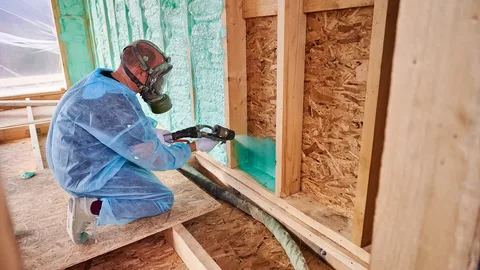
Learn how blown-in insulation installation can improve attic comfort and energy efficiency while helping manage moisture in Lovell, Wyoming homes year-round.
A home’s insulation affects much more than indoor temperature. Poor attic insulation can allow heat to escape during cold weather and enter living spaces during warmer months. Spray Pros Insulation helps homeowners understand how blow-in insulation installation in Lovell, Wyoming can improve attic performance, reduce unwanted heat transfer, and create more consistent indoor comfort.
Insulation becomes especially important when an attic has thin coverage, uneven areas, compressed material, or visible gaps around penetrations. These conditions can make it harder for heating and cooling equipment to maintain the desired temperature.
For homeowners in Lovell, evaluating the existing insulation before adding new material can also help identify whether the main problem involves insufficient coverage, air leakage, moisture, or a combination of these conditions.
Why Blow-In Insulation Works Well in Attics
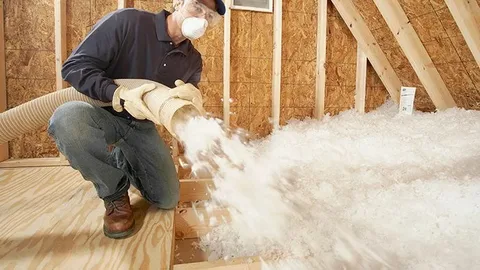
Blow-in insulation installation in Lovell, Wyoming uses loose insulation material that installers distribute across attic areas with specialized equipment. The material can fill irregular spaces and provide more continuous coverage than some traditional insulation approaches.
Attics often contain obstacles such as wiring, framing members, vents, recessed fixtures, and other components. These features can make it difficult to achieve consistent coverage with rigid materials.
Blow-in material can settle around many of these obstacles when installed correctly. The result is a more continuous insulation layer that helps slow heat movement between the attic and the living areas below.
The quality of the installation still matters. Insulation should reach the appropriate depth and coverage level, while ventilation and moisture conditions should receive attention before additional material is installed.
How Attic Insulation Affects Home Energy Performance
Heat naturally moves between areas with different temperatures. During winter, heat from conditioned living spaces can move toward a colder attic. During summer, a hot attic can transfer heat toward the rooms below.
Insulation slows this transfer.
That does not mean insulation alone determines energy use. Windows, doors, ductwork, air leakage, HVAC equipment, and building orientation also affect home performance.
However, an attic with inadequate insulation can make temperature control more difficult. Rooms may feel uncomfortable even when the thermostat shows the desired setting.
Improving insulation can help create a more stable thermal barrier between the living space and attic.
What to Check Before Adding Insulation
Adding more insulation is not always the first thing an attic needs. Existing conditions should be reviewed before installation.
Air leaks around ceiling penetrations can allow conditioned air to escape. Bathroom exhaust fans should vent appropriately rather than releasing moist air into the attic. Roof leaks should also be addressed before insulation covers affected areas.
The attic should be evaluated for:
- Existing insulation depth and condition
- Gaps or thin areas
- Moisture or staining
- Air leakage around penetrations
- Attic ventilation
- Electrical and mechanical obstacles
- Signs of pests or contamination
- Previous insulation damage
These conditions can influence the appropriate insulation approach and help prevent new material from covering an unresolved problem.
Affordable Attic Blow-In Insulation in Columbus, MT
Homeowners researching Affordable attic blow-in insulation in Columbus, MT should look beyond the initial material cost. The existing attic condition, required insulation depth, accessibility, preparation work, and installation method can all affect the overall project.
An attic that already has some insulation may require targeted additions rather than complete removal. In other cases, old or damaged insulation may need to be addressed before new material can be installed.
The goal should be to create appropriate coverage without overlooking the building conditions that affect insulation performance.
A professional assessment can help homeowners understand what the attic currently has and what improvements may make sense.
Choosing the Best Blow-In Insulation for Homes
The Best blow-in insulation for homes in Columbus, MT depends on the property rather than a single material choice that works equally well everywhere.
Different insulation materials have different characteristics related to thermal performance, density, installation, moisture behavior, and other factors.
Homeowners should consider the attic’s existing construction, climate, ventilation, available depth, and overall condition.
The target insulation level also matters. Simply adding a random amount of material does not guarantee the desired result. Proper coverage and installation depth should be based on the home’s requirements and the existing insulation.
Blown-In Insulation Compared With Batt Insulation
Both blown-in and batt insulation can serve residential applications, but the installation method and performance characteristics differ.
| Feature | Blown-In Insulation | Batt Insulation |
| Irregular attic spaces | Can conform around obstacles | Requires cutting around obstacles |
| Installation | Mechanically distributed | Installed in sections |
| Coverage | Can provide continuous loose-fill coverage | Depends on accurate fitting |
| Attic obstacles | Can work around many obstructions | May require more cutting |
| Existing insulation | Can sometimes be added over suitable material | May require more preparation |
The best option depends on the building and the areas being insulated. Installation quality remains important regardless of the material selected.
Moisture and Ventilation Should Not Be Overlooked
Insulation cannot correct an attic moisture problem by itself.
Moisture can enter an attic through roof leaks, plumbing issues, humid indoor air, or improperly vented exhaust fans. Persistent moisture can affect insulation and surrounding building materials.
Ventilation also plays an important role in many attic designs. The insulation should not unnecessarily block intended ventilation pathways.
This is why an attic evaluation should consider insulation, air sealing, moisture, and ventilation together rather than treating them as completely separate concerns.
Common Insulation Problems Homeowners Miss
One of the most common problems is uneven insulation depth. Some areas may have adequate coverage while others remain thin, particularly around attic access points and obstructions.
Another issue is compressing insulation. Compression can reduce the material’s effective insulating performance.
Homeowners may also overlook the attic hatch. An uninsulated or poorly sealed access panel can become a weak point in an otherwise well-insulated ceiling.
Moisture is another concern. Adding insulation over damp or damaged areas without addressing the source can create longer-term problems.
Finally, homeowners sometimes assume that more insulation automatically means better performance. Proper installation, air sealing, ventilation, and moisture control all influence the final result.
Best Practices for Attic Insulation
A good insulation project starts with an evaluation of existing conditions.
Homeowners should address roof leaks and moisture sources before installation. Attic access panels should receive appropriate attention, and ventilation pathways should remain functional where required by the attic design.
Insulation should be distributed consistently rather than concentrated in easily accessible areas.
It is also useful to document the insulation depth and installation areas for future maintenance. If the attic is accessed later for electrical, HVAC, or other work, homeowners can better understand where insulation may have been disturbed.
Conclusion
Affordable attic blow-in insulation can improve the thermal barrier between a home’s living areas and attic when the material is properly selected and installed. However, insulation performance depends on more than the material itself. Existing coverage, air leakage, ventilation, moisture, attic design, and installation quality all deserve attention.
For homeowners in Lovell, Wyoming and Columbus, Montana, understanding these factors can make insulation decisions more practical. Spray Pros Insulation helps property owners evaluate attic conditions and consider insulation improvements based on the needs of the home rather than relying on a one-size-fits-all approach.
FAQ
Is blown-in insulation good for attics?
Blown-in insulation can work well in attics because it can provide consistent coverage around many framing members and obstacles. The appropriate material and installation depth depend on the home’s construction and existing conditions.
Can blown-in insulation be added over existing insulation?
In some situations, additional blown-in insulation can be installed over existing material if the existing insulation is dry, clean, and in suitable condition. The attic should be evaluated before adding new material.
Does blown-in insulation help reduce energy use?
Proper attic insulation can reduce heat transfer between the living space and attic, which may make it easier for heating and cooling systems to maintain indoor temperatures. Overall energy use also depends on the home’s HVAC system, air leakage, windows, and other factors.
How do I know if my attic needs more insulation?
Thin or uneven insulation, visible gaps, noticeable temperature differences between rooms, and an attic floor with insufficient coverage can indicate that the insulation should be evaluated.
Can insulation be installed if an attic has moisture problems?
Moisture problems should generally be addressed before new insulation is installed. Roof leaks, plumbing issues, or ventilation problems can damage insulation and should be identified and corrected first.