Discover Affordable for fire-resistant blown-in insulation options in Forsyth, MT, including cellulose, fiberglass, and mineral wool, to improve safety, energy efficiency, and home comfort.
Fire safety and energy efficiency are major concerns for homeowners in Forsyth, Montana, where cold winters and dry conditions make proper insulation essential. Blown-in insulation is a popular choice because it fills gaps effectively and improves thermal performance, but not all insulation materials offer the same level of fire resistance. Choosing a fire-resistant blown-in insulation can significantly enhance your home’s safety while still delivering excellent insulation value. This article explores the best fire-resistant blown-in insulation options available in Forsyth, MT, how they work, and what factors to consider before installation.
After understanding why fire resistance matters in insulation, it becomes easier to evaluate the materials that perform best under high temperatures and meet local safety expectations.
Why Fire Resistance Matters in Blown-In Insulation
Fire-resistant insulation helps slow the spread of flames, reduces smoke production, and provides valuable extra time for occupants to evacuate during a fire. In residential structures, insulation often comes into contact with wiring, lighting fixtures, and heating systems, all of which can pose ignition risks if insulation is not properly rated. Fire-resistant blown-in insulation is treated or manufactured to meet strict fire safety standards, making it a critical upgrade for homes in Forsyth, MT.
Beyond safety, fire-resistant insulation also contributes to durability and peace of mind. Many fire-rated materials maintain their structure even when exposed to high heat, preventing rapid collapse or flame spread through walls and attics Top Fire-Resistant Blown-In Insulation Options in Forsyth, MT
Cellulose Blown-In Insulation and Fire Resistance
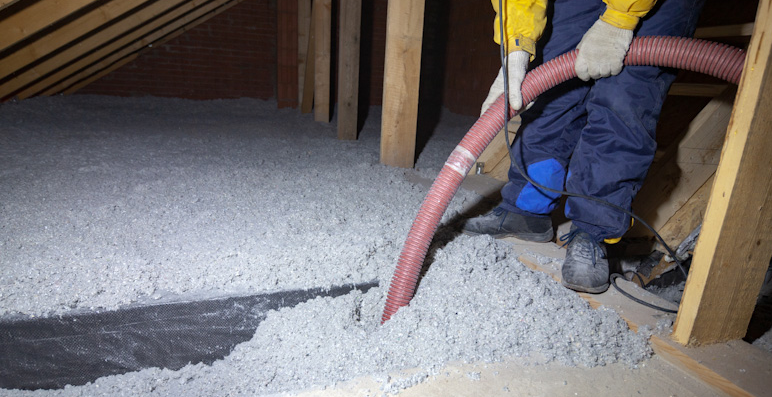
Cellulose blown-in insulation is one of the most commonly used fire-resistant options in Montana homes. It is made primarily from recycled paper products that are treated with borate-based fire retardants. These treatments allow cellulose insulation to resist ignition and slow flame spread when exposed to fire.
In Forsyth, MT, cellulose insulation is popular due to its ability to perform well in cold climates while also offering strong fire resistance. When exposed to flames, cellulose tends to char rather than burn rapidly, which can help limit fire damage. It also produces less toxic smoke compared to some synthetic insulation materials.
Another benefit of cellulose blown-in insulation is its dense packing, which helps reduce airflow. This characteristic not only improves energy efficiency but also limits oxygen availability, further slowing combustion in the event of a fire.
Fiberglass Blown-In Insulation for Fire Safety
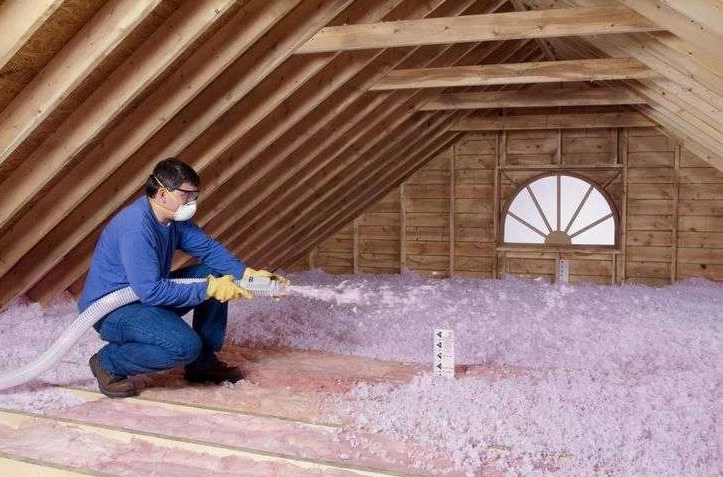
Fiberglass blown-in insulation is another widely used fire-resistant option. Made from fine glass
fibers, fiberglass is naturally non-combustible and does not require chemical fire retardants to meet safety standards. This makes it an appealing choice for homeowners in Forsyth who want reliable fire performance with minimal additives.
Fiberglass insulation does not burn when exposed to flame. Instead, it can withstand high temperatures without igniting, which helps prevent fire from spreading through wall cavities or attic spaces. While the binder used in fiberglass insulation may melt under extreme heat, the glass fibers themselves remain intact.
In addition to fire resistance, fiberglass blown-in insulation offers excellent thermal performance and moisture resistance. It is particularly effective in attics, where fire safety and heat retention are both important considerations.
Mineral Wool Blown-In Insulation Benefits
Mineral wool, also known as rock wool or slag wool, is one of the most fire-resistant insulation materials available. Although it is less common than cellulose or fiberglass, it is gaining attention for its exceptional fire performance. Mineral wool is made from natural rock or industrial byproducts that are melted and spun into fibers.
This type of blown-in insulation is non-combustible and can withstand extremely high temperatures, often exceeding 1,800 degrees Fahrenheit. For homeowners in Forsyth, MT, mineral wool provides an added layer of protection, especially in areas near furnaces, chimneys, or fireplaces.
Mineral wool also offers excellent soundproofing and moisture resistance, making it a multifunctional insulation solution. While it may come at a higher cost, its durability and superior fire resistance make it a worthwhile investment for certain applications.
Comparing Fire Ratings and Safety Standards
When choosing fire-resistant blown-in insulation in Forsyth, MT, it is important to understand fire ratings and safety certifications. Insulation materials are typically tested under standards such as ASTM E84, which measures flame spread and smoke development.
Cellulose insulation generally achieves a Class I fire rating due to its fire-retardant treatment. Fiberglass and mineral wool are naturally non-combustible and also meet or exceed Class I standards. Reviewing these ratings ensures that the insulation you choose complies with local building codes and offers reliable fire protection Right Fire-Resistant Blown-In Insulation Options in Forsyth, MT
.Homeowners should also ensure proper installation, as even the most fire-resistant insulation can pose risks if installed incorrectly near heat sources or electrical components.
Installation Considerations for Forsyth, MT Homes
Proper installation plays a crucial role in maximizing the fire-resistant benefits of blown-in insulation. In Forsyth, MT, homes often face temperature extremes, which makes correct insulation depth and coverage especially important.
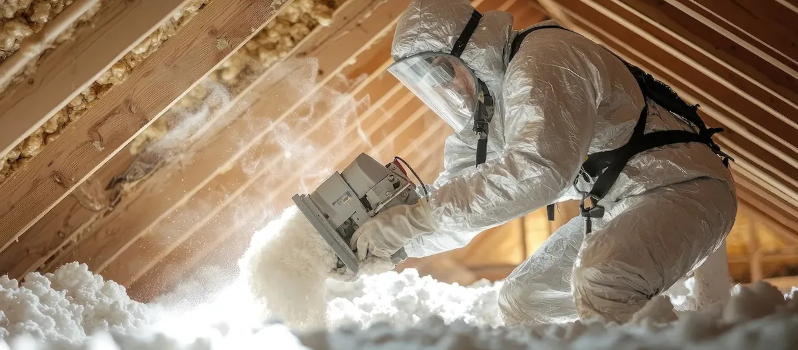
Professional installers understand how to apply blown-in insulation evenly while maintaining safe clearances around recessed lighting, flues, and wiring. They also ensure that vapor barriers and ventilation systems are not compromised, which can indirectly affect fire safety by preventing heat buildup.
Local climate conditions, building age, and attic design should all be considered during installation to achieve both fire resistance and energy efficiency Best.Fire-Resistant Blown-In Insulation Options in Forsyth, MT
Cost and Long-Term Value of Fire-Resistant Insulation
The cost of fire-resistant blown-in insulation varies depending on the material chosen. Cellulose is generally the most affordable option, followed by fiberglass, while mineral wool tends to be the most expensive. However, the long-term value often outweighs the initial investment.
Fire-resistant insulation can reduce potential fire damage, lower insurance risks, and improve overall home safety. Additionally, these materials help reduce heating costs during Montana’s cold winters, providing ongoing financial savings.
When evaluating cost, homeowners in Forsyth should consider not only upfront pricing but also durability, maintenance requirements, and potential energy savings over time.
Environmental and Health Considerations
Many fire-resistant blown-in insulation options also offer environmental benefits. Cellulose insulation uses recycled materials and has a relatively low environmental impact. Fiberglass insulation often contains recycled glass content, while mineral wool can be produced from industrial byproducts and indoor air quality are also important factors. Fire-resistant insulation materials are designed to minimize toxic smoke production and off-gassing. Choosing certified products and professional installation further reduces health risks for occupants.
These considerations make fire-resistant blown-in insulation a responsible choice for both safety and sustainability.
FAQs
What is the most fire-resistant blown-in insulation available?
Mineral wool is considered the most fire-resistant option because it is non-combustible and can withstand extremely high temperatures without igniting.
Is cellulose insulation safe despite being made from paper?
Yes, cellulose insulation is treated with fire retardants that significantly reduce flammability and allow it to meet strict fire safety standards.
Does fiberglass insulation burn in a house fire?
Fiberglass insulation does not burn because it is made from glass fibers, though the binder may melt under extreme heat.
Is fire-resistant blown-in insulation required by code in Forsyth, MT?
Building codes typically require insulation to meet specific fire ratings. Fire-resistant blown-in insulation options usually comply with these requirements, but local regulations should always be checked.
Can fire-resistant insulation lower home insurance costs?
In some cases, improved fire safety measures, including fire-resistant insulation, may positively influence insurance assessments, though this depends on the provider.
Conclusion
Trusted Fire-resistant blown-in insulation options in Forsyth, MT provide a smart balance of safety, comfort, and energy efficiency. Cellulose, fiberglass, and mineral wool each offer unique advantages, from affordability and eco-friendliness to superior fire performance. By understanding fire ratings, installation requirements, and long-term value, homeowners can make informed decisions that protect their property and loved ones. Investing in fire-resistant blown-in insulation is not just an upgrade for warmth, but a meaningful step toward a safer and more resilient home.