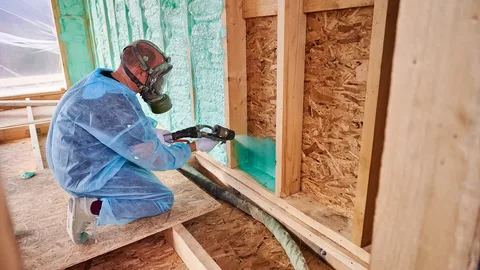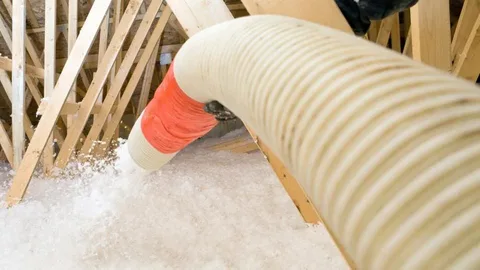
Learn how blown-in insulation installation in Shepherd, MT supports attic coverage, energy performance, comfort, air sealing, and long-term insulation planning.
Insulation performance depends on more than how much material sits in an attic or wall cavity. Coverage, depth, air movement, moisture conditions, and gaps around building components can all affect how well insulation performs. Spray Pros Insulation approaches insulation projects by reviewing the existing building assembly, problem areas, and the amount of coverage the home needs. Homeowners considering blown-in insulation installation in Shepherd, MT should understand these conditions before adding new material.
In Hardin, MT, homeowners comparing the best blow-in insulation for homes may need to consider the existing insulation, attic access, local temperature changes, ventilation, and areas where insulation has settled or shifted.
A well-planned project should create consistent coverage rather than simply adding material wherever space is available.
What Blown-In Insulation Installation Should Address
Professional blown-in insulation installation in Shepherd, MT should begin with an evaluation of the area receiving insulation.
Attics may contain old insulation, wiring, recessed fixtures, ventilation paths, roof penetrations, and other components that influence the installation.
Important factors include:
- Existing insulation depth
- Thin or uncovered areas
- Attic access
- Air leaks
- Ventilation paths
- Moisture signs
- Electrical components
- Exhaust ducts
- Roof penetrations
- Required insulation coverage
The installer should understand these conditions before new insulation goes into place.
Blown-In Insulation Installation Needs Even Coverage
Blown-in insulation installation works best when the material creates a consistent thermal layer.
Thin spots can reduce performance even when other sections contain enough insulation. Areas around attic hatches, framing, ducts, and building penetrations can also become weak points.
Consistent depth across the intended area helps the insulation work as one continuous layer rather than a collection of isolated sections.
Best Blow-In Insulation for Homes in Hardin, MT
Choosing the best blow-in insulation for homes in Hardin, MT requires looking at the building rather than relying on one material choice for every property.
Common loose-fill materials include fiberglass and cellulose. Each has different characteristics related to installation, density, settling, and moisture response.
The existing building can influence which approach makes sense.
A home with existing attic insulation may only need additional material in thin areas. Another property may need older material evaluated before new insulation is installed.
The goal is to match the insulation method to the actual condition of the home.
Comparing Common Blown-In Insulation Options
Different materials can serve similar purposes while performing differently.
| Insulation Type | Common Application | Main Consideration |
| Fiberglass Loose Fill | Attics and open cavities | Consistent distribution |
| Cellulose | Attics and enclosed spaces | Density and settling |
| Insulation Top-Up | Existing attic systems | Condition of old material |
| New Installation | Uninsulated spaces | Required coverage |
| Dense-Packed Material | Selected enclosed cavities | Proper installation density |
Material choice represents only one part of the project. Air sealing, moisture control, and ventilation also influence overall performance.
Check Air Leaks Before Adding More Material
Insulation slows heat transfer, but it does not automatically stop uncontrolled air movement.
Gaps around wiring, plumbing penetrations, attic access points, ceiling fixtures, and wall connections may allow conditioned air to escape.
Adding insulation directly over significant leaks can hide them without correcting the underlying issue.
Before adding blown-in material, it can help to identify obvious air leakage areas that can be addressed safely.
This creates a better foundation for the insulation layer.
Attic Ventilation Should Remain Functional
Attic insulation and ventilation perform different jobs.
Insulation helps slow heat transfer between conditioned living areas and the attic. Ventilation helps manage attic conditions by allowing air movement through designed intake and exhaust points.
Blown-in material should not block ventilation paths.
Soffit vents, baffles, or other planned airflow areas may need protection during installation.
Covering these areas with insulation can interfere with the attic system and create conditions the installation was meant to avoid.
Blown-In Insulation for New Construction
Blown-in insulation for new construction can work well when the insulation plan coordinates with framing, electrical work, ventilation, and other building systems.
New construction provides access to areas that may become difficult to reach later.
That makes early planning important.
The insulation team should understand:
- Target insulation areas
- Framing layout
- Electrical locations
- Ventilation design
- Mechanical penetrations
- Attic access
- Air-sealing details
- Installation sequence
Good coordination reduces gaps and prevents other trades from disturbing completed insulation.
Signs Existing Insulation May Need Attention
Insulation does not need to be completely missing before homeowners notice comfort problems.
Possible signs include:
- Uneven indoor temperatures
- Hot or cold rooms
- Visible thin areas in the attic
- Insulation that has settled
- Bare sections near attic edges
- Drafts near ceiling penetrations
- Higher heating or cooling demand
- Damaged or disturbed insulation
These signs do not always prove that insulation is the only problem.
Air leakage, HVAC performance, windows, doors, and other building components can also affect comfort.
Common Blown-In Insulation Mistakes
One mistake is adding insulation without inspecting the existing attic conditions.
Moisture, damaged materials, blocked vents, or other issues should receive attention first.
Another mistake is assuming greater depth automatically means better performance.
The material needs consistent coverage and suitable installation density.
Homeowners should also avoid covering components that require clearance or future access.
Other common problems include:
- Blocking attic ventilation
- Ignoring major air leaks
- Leaving thin areas around framing
- Covering moisture problems
- Disturbing existing ventilation baffles
- Failing to plan around attic access
Careful preparation reduces these problems.
Practical Steps Before an Insulation Project
Homeowners can prepare by reviewing the attic and comfort issues throughout the house.
Before installation:
- Identify rooms with temperature differences.
- Review existing insulation where safely accessible.
- Look for obvious moisture concerns.
- Note areas where insulation appears thin.
- Check that attic ventilation remains open.
- Identify major ceiling penetrations.
- Keep the attic entrance accessible.
- Discuss the intended insulation depth and coverage.
These steps help create a clearer scope before material is installed.
Best Practices for Long-Term Insulation Performance
Insulation should remain dry, evenly distributed, and undisturbed whenever possible.
Homeowners should investigate roof leaks or other moisture sources promptly because wet insulation may not perform as intended.
Work performed later in the attic can also disturb loose-fill material.
Electrical, HVAC, or other contractors may move insulation while reaching building components. After major attic work, homeowners can check whether the material still covers the area evenly.
Periodic observation can help identify settling, displacement, or damage before larger gaps develop.
Conclusion
Planning Blown-in insulation for new construction involves more than selecting an insulation material. Existing coverage, air leaks, ventilation, moisture, installation depth, and building conditions all affect the finished system.
For homes in Shepherd and Hardin, Spray Pros Insulation can approach blown-in insulation around the condition of the existing space and the coverage needed throughout the property. Proper preparation and consistent installation can support more stable indoor comfort and long-term insulation performance.
FAQ
What is blown-in insulation commonly used for?
Blown-in insulation is commonly used in attics, open spaces, and certain enclosed cavities where loose material can provide consistent coverage around framing and other building features.
Can blown-in insulation be added over existing insulation?
In some situations, yes. The existing material should first be checked for moisture, damage, contamination, and uneven coverage before additional insulation is installed.
Which type of blown-in insulation is best for a home?
The right material depends on the building, existing insulation, installation area, moisture conditions, required coverage, and project goals. Fiberglass and cellulose are common options.
Does an attic need air sealing before blown-in insulation?
Significant air leaks should be evaluated before adding insulation. Addressing accessible gaps can help the insulation layer perform more effectively.
Can blown-in insulation block attic ventilation?
It can be installed improperly. Designed ventilation paths should remain open, and baffles or other protective measures may be needed to keep insulation away from airflow areas.