
Discover how long blown-in insulation lasts in Miles City, MT. Learn about lifespan, maintenance tips, and factors that impact insulation performance and efficiency.
When it comes to improving your home’s comfort and energy efficiency, insulation plays a crucial role. For homeowners in Miles City, MT, blown-in insulation is one of the most popular and cost-effective choices. It provides excellent thermal resistance, fills gaps easily, and helps maintain indoor temperatures throughout Montana’s cold winters and warm summers.
However, one of the most common questions homeowners ask is: The top Blown-In Insulation Last in Miles City MT
answer depends on several factors including the material used, installation quality, and how well the insulation is maintained over time.
This article explores the typical lifespan of blown-in insulation, what affects its durability, how to tell when it needs replacing, and tips to keep it performing effectively for decades.
What Is Blown-In Insulation?
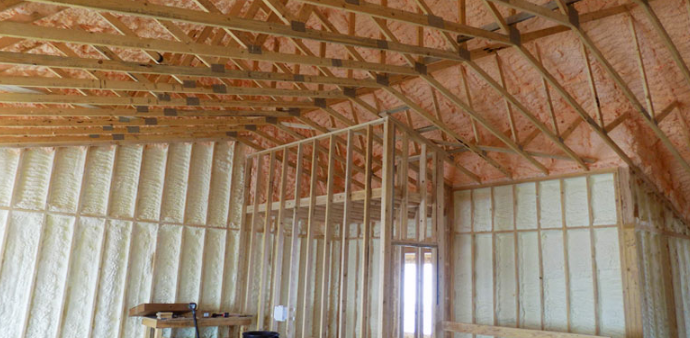
Blown-in insulation, also known as loose-fill insulation, is made from small particles of materials such as cellulose, fiberglass, or mineral wool. These particles are blown into wall cavities, attics, and other spaces using a special machine. The result is a thick, seamless layer that helps preca’] 3931vent heat transfer, reduces noise, and improves overall comfort.
In Miles City, where temperatures can range widely throughout the year, blown-in insulation helps maintain consistent indoor conditions and reduces energy costs significantly.
Average Lifespan of Blown-In Insulation
The longevity of blown-in insulation depends largely on the type of material:
1. Cellulose Insulation:
Typically lasts between 20 to 30 years. However, with proper maintenance and protection from moisture, it can perform effectively for up to 40 years.
2. Fiberglass Insulation:
Known for its durability, fiberglass blown-in insulation can last 50 years or more. It doesn’t settle as much as cellulose and resists mold and pests well.
3. Mineral Wool (Rock Wool) Insulation:
This type of insulation can last a lifetime—often exceeding 70 years—due to its resistance to fire, moisture, and pests.
Each of these options is available to Miles City homeowners and can provide excellent long-term performance when installed by professionals.
Factors That Affect the Lifespan of Blown-In Insulation
1. Moisture Exposure
Moisture is the biggest enemy of insulation. If your attic expert Blown-In Insulation Last in Miles City MT
or walls develop leaks or condensation, the insulation can clump, lose effectiveness, or even develop mold—especially cellulose-based types.
2. Settling Over Time
Over time, insulation materials naturally settle, which can create gaps and reduce thermal performance. Fiberglass and mineral wool settle less than cellulose, making them longer-lasting choices.
3. Pest Infestation
Rodents, birds, or insects can disturb or damage insulation, particularly in attics or crawl spaces. Regular inspections can prevent this problem.
4. Installation Qualityr
Poorly installed insulation can lose efficiency quickly. Professional installers in Miles City, MT, use the right density and distribution to ensure long-term performance.
5. Local Climate
Extreme temperature changes and humidity levels in Montana can also influence how long your insulation lasts. Ensuring proper ventilation helps extend its life.
Signs Your Blown-In Insulation Needs Replacement
It’s not always easy to tell when insulation is no longer doing its job. Look out for these signs:
- Uneven indoor temperatures or cold drafts.
- Higher heating and cooling bills.
- Water stains or dampness in the attic or walls.
- Visible settling or thinning insulation layer.
- Pest droppings or damage in insulated areas.
- Increased indoor humidity or mold odor.
If you notice any of these issues, it may be time to schedule an inspection or replacement with a trusted insulation contractor in Miles City, MT.
Maintenance Tips to Extend Insulation Life
Keeping your insulation in top condition ensures it lasts for decades and performs efficiently. Here are some expert tips:
- Inspect annually: Check your attic and crawl spaces for any signs of settling, moisture, or pests.
- Seal air leaks: Use caulk or weatherstripping around windows, vents, and doors to prevent air leakage.
- Maintain proper ventilation: Balanced airflow in your attic prevents moisture buildup.
- Repair roof leaks promptly: Address any signs of leaks to protect insulation from water damage.
- Pest control: Keep rodents and insects out of insulation spaces with preventive measures.
Benefits of Long-Lasting Blown-In Insulation
Energy Efficiency:
Reduces heat loss and helps HVAC systems run more efficiently, affordable Blown-In Insulation Last in Miles City MT
lowering your energy bills.
Comfort:
Keeps your home warm in winter and cool in summer by maintaining stable indoor temperatures.
Noise Reduction:
Acts as a sound barrier, making your home quieter and more peaceful.
Eco-Friendly:
Cellulose and mineral wool insulation options are made from recycled materials, reducing environmental impact.
Home Value:
Upgrading or maintaining your insulation enhances your home’s resale value and appeal.
FAQs
Q1: How long does blown-in insulation last in Miles City, MT homes?
Blown-in insulation typically lasts between 30 to 50 years, depending on the material used and maintenance level.
Q2: Does blown-in insulation lose effectiveness over time?
Yes, over time it can settle or compact, reducing its R-value. Regular inspections help identify when top-ups are needed.
Q3: What’s the best type of blown-in insulation for Montana’s climate?
Fiberglass and mineral wool perform exceptionally well in Miles City due to their moisture resistance and long lifespan.
Q4: Can I add new insulation on top of old blown-in insulation?
Yes, in many cases, professionals can add new insulation layers on top of existing material to boost efficiency.
Q5: How often should insulation be checked in Miles City homes?
Homeowners should have their insulation checked every 3–5 years, especially before winter, to ensure peak performance.
Conclusion
Blown-in insulation is one of the most reliable, efficient, and long-lasting solutions for homeowners in Miles City, MT. With proper material choice—such as fiberglass, cellulose, or mineral wool—and professional installation, it can protect your home for decades. Regular inspections, moisture control, and good ventilation can further extend its lifespan.
If you’re looking to improve comfort, save on energy bills, and boost fire resistance, now is the perfect time to schedule an inspection or upgrade your insulation. A trusted local contractor in Miles City can help you select the best blown-in insulation option Miles City that fits your home’s needs and budget.