Cold winters and changing temperatures can expose weak insulation in a Roundup home. Drafty rooms, cold floors, and uneven indoor comfort often point to gaps around framing, attics, rim joists, or utility openings. Spray Pros Insulation helps local property owners improve these areas with spray foam insulation that expands after application and fills small gaps. A well-planned system can reduce unwanted air movement and create a more consistent thermal barrier.
Why Spray Foam Works for Local Homes
Insulation must slow heat flow and control air leakage. Montana’s 2026 residential energy code requires air barriers and blower-door testing for covered projects, with a 4 ACH50 target for many homes.
Homeowners comparing Spray foam insulation contractors should ask how installers treat corners, rim joists, roof transitions, wiring openings, and plumbing penetrations. DOE guidance states that adding insulation and reducing air leakage can lower heating and cooling costs, though savings vary by property.
Open-Cell and Closed-Cell Options
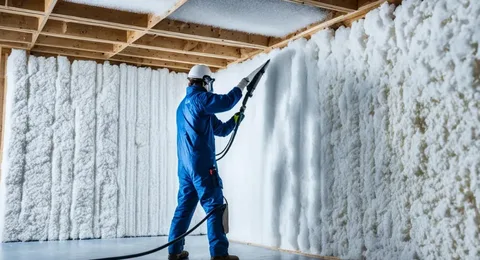
Different areas may need different foam types. Residential spray foam insulation can use open-cell or closed-cell products based on cavity depth, moisture conditions, target R-value, and project goals.
Closed-cell spray foam insulation is denser and provides a higher R-value per inch. DOE cold-climate guidance describes it as useful in framed walls where stronger air sealing and thermal resistance are needed.
Open-cell spray foam insulation expands more and can fill larger cavities with less material. DOE guidance says it can work in cold-climate walls, but vapor control and moisture planning require care. The right choice depends on the wall or roof assembly.
Attic Insulation and Installation
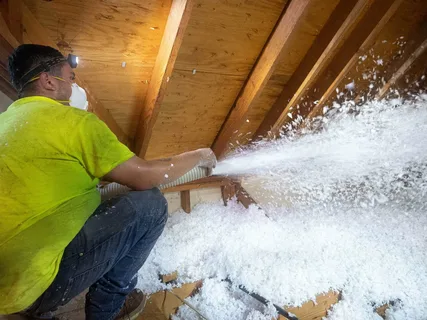
The upper part of a home can lose comfort through ceiling gaps, wiring holes, recessed fixtures, and framing connections. spray foam insulation IN Roundup, MTcan address selected roof-line or attic areas when the assembly is suitable for foam.
Before spraying, the contractor should check for roof leaks, moisture, exhaust ducts, wiring concerns, and ventilation paths. Montana’s 2026 energy-code summary includes strong ceiling-insulation and air-sealing requirements for covered residential work.
For example, a homeowner may have warm downstairs rooms but a cold upstairs bedroom near an attic access point. Sealing that boundary can address the actual weak area instead of adding insulation everywhere.
Professional installation begins with surface preparation and protection of nearby finishes. OSHA says spray polyurethane foam work areas should be separated from other parts of a building and ventilated to reduce worker exposure. EPA guidance says re-entry timing varies by product, ventilation, application conditions, and manufacturer instructions.
Cost and Contractor Selection
Why do spray foam quotes vary? Project size, foam type, thickness, access, preparation, old insulation, and cleanup can change the final price. DOE guidance confirms that insulation cost varies by material type and target R-value.
For Energy-efficient home insulation, a clear quote matters more than a low headline price. Ask for the foam type, planned thickness, work areas, preparation steps, cleanup details, and any removal work.
A specialist such as Spray Pros Insulation focuses on insulation-specific work around attics, crawl spaces, rim joists, and air-sealing areas. For projects covered by Montana energy rules, the work plan should account for applicable insulation, air-barrier, and testing requirements.
Final Thoughts
spray foam insulation IN Shepherd, MT can be a practical choice for homes with drafts, difficult cavities, attic concerns, or uneven comfort. Start with an inspection, compare foam types, check for moisture, and confirm the planned thickness before work begins. Spray Pros Insulation can review the property and explain which areas may benefit from foam. A clear scope and careful installation support a sound long-term insulation decision.
Frequently Asked Questions
1. How long does spray foam insulation last?
Spray foam can remain in place for many years when it bonds correctly and the surrounding building materials stay dry. Roof leaks or moisture problems should be repaired before foam is installed.
2. Is spray foam good for older homes in Roundup, MT?
It can be. Older homes should first be checked for damp framing, roof leaks, wiring concerns, blocked ventilation, and existing insulation that could affect the installation plan.
3. Can spray foam reduce drafts?
Yes. Spray foam expands into gaps and can reduce unwanted air movement when it forms a continuous air barrier. Montana energy guidance places strong emphasis on air sealing.
4. How much does spray foam insulation cost in Roundup?
Price depends on square footage, foam type, thickness, access, preparation, and removal work. A useful estimate should be based on measured surfaces and a written scope.
5. Do I need a permit for spray foam insulation in Montana?
Requirements depend on the project and local jurisdiction. Montana’s statewide energy code covers many new homes, additions, repairs, and renovations, with stated exceptions.