Planning spray foam insulation in Laurel, MT? Learn air-sealing benefits, foam options, installation steps, moisture control, and efficiency planning tips.
Why Spray Foam Insulation Deserves Careful Planning
Insulation affects more than whether a room feels warm in winter or cool in summer. It also influences air movement, indoor comfort, moisture behavior, and how hard heating and cooling equipment must work to maintain a steady temperature. When gaps around framing, rooflines, crawl spaces, or other building areas allow uncontrolled air movement, adding insulation without considering air sealing may leave part of the problem unresolved.
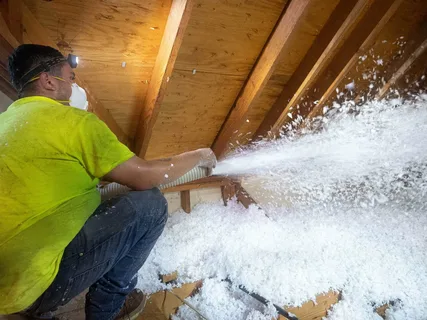
Spray Pros Insulation provides spray foam, blow-in, and batt insulation for residential, commercial, and agricultural properties across Montana and Northern Wyoming. Spray foam is one option for projects where homeowners, builders, or business owners want insulation that can also help seal small cracks, gaps, and irregular spaces.
A successful project begins with understanding the building, the area being insulated, the performance goal. The product matters, but correct placement and preparation are equally important.
How Spray Foam Insulation Works
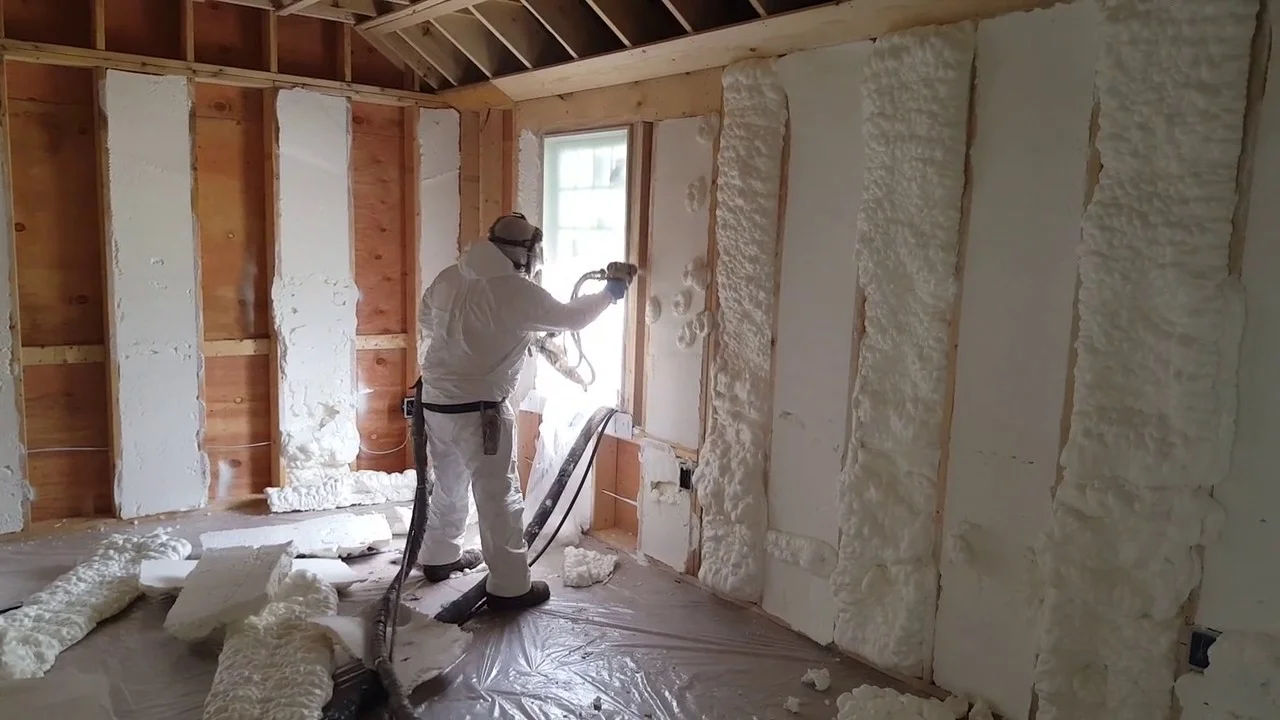
Spray foam is applied as a liquid mixture that expands after installation. As it expands, it can fill gaps and conform to irregular surfaces that may be difficult to cover with rigid materials. This makes it useful in locations where reducing unwanted air movement is an important part of the insulation strategy.
Professional spray foam insulation services may be used in attics, crawl spaces, basements, walls, shops, barns, garages, metal buildings, and other areas depending on the structure and project requirements.
The goal is not simply to spray foam into every available cavity. Installers need to evaluate the surface, depth, access, surrounding materials, and whether the assembly requires additional ventilation or moisture management. Different parts of a building may need different insulation approaches.
Open-Cell and Closed-Cell Spray Foam
Spray foam is commonly discussed in two broad categories: open-cell and closed-cell.
Open-cell foam is generally softer and less dense after curing. It can expand substantially and may work well in selected interior applications where air sealing and cavity coverage are priorities.
Closed-cell foam is denser and typically provides greater resistance to air movement and moisture vapor at a given thickness. It may be selected for certain walls, metal buildings, crawl spaces, or other assemblies where its characteristics are appropriate.
Neither option should be chosen by name alone. Climate, substrate, wall or roof design, required insulation level, moisture conditions, and project goals all matter. A qualified installer should explain why one product fits a particular area instead of applying the same solution everywhere.
Where Air Leaks Commonly Develop
A building can lose conditioned air through many small openings that are difficult to notice during normal use. Common locations include attic penetrations, rim joists, wall transitions, plumbing openings, wiring penetrations, roof intersections, gaps around framing, and connections between different building materials.
These openings may create drafts or uneven indoor temperatures even when traditional insulation is already present.
Spray foam can be useful because it expands into irregular spaces and can create a more continuous air barrier when installed correctly. However, the entire building should be considered. Sealing one area may change how air and moisture move elsewhere, which is why ventilation and combustion safety should be reviewed when relevant.
Why Attic Insulation Needs More Than Thickness
Many homeowners think of attic insulation only in terms of depth. Thickness matters, but air leakage, roof ventilation, penetrations, and existing moisture conditions can be just as important.
Before adding spray foam, an installer should understand how the attic currently functions. Some assemblies are designed with ventilation at the roof deck, while others may use different approaches. Covering vents or changing airflow without a clear plan can create unintended conditions.
Homeowners considering insulation services in Laurel, MT should have attic access points, rooflines, existing insulation, and visible moisture conditions evaluated before deciding where spray foam belongs.
The most effective insulation upgrade is one that fits the actual attic design rather than following a one-size-fits-all method.
Crawl Spaces Can Affect the Rest of the Building
Crawl spaces are easy to ignore because they are usually out of sight, but conditions there can influence floors, indoor comfort, plumbing, and moisture levels.
Gaps around rim joists and foundation transitions may allow outdoor air into the structure. Damp soil, plumbing leaks, drainage problems, or condensation can also affect crawl-space conditions.
Spray foam may be used in selected crawl-space assemblies, but moisture sources should be addressed first. Insulation should not be treated as a way to hide standing water, active leaks, or deteriorated materials.
Before work begins, check for visible water, damaged wood, plumbing problems, and signs that outside drainage is contributing to dampness. Correcting the source of moisture helps the insulation system perform as intended.
Spray Foam for Garages, Shops, and Metal Buildings
Garages, workshops, pole barns, and metal buildings often have large wall and roof surfaces that can experience significant temperature swings. Gaps around framing and metal panels may also allow substantial air movement.
Spray foam can conform to these surfaces and may be used to combine thermal insulation with air sealing. Closed-cell products are often considered for certain metal-building applications because of their density and adhesion characteristics, but the correct product and thickness depend on the assembly.
Before installation, surfaces should be clean, dry, and appropriate for the selected material. Rust, active leaks, condensation, or damaged panels should be investigated rather than covered.
Planning also needs to consider future electrical, plumbing, or equipment work, because accessing concealed components can become more difficult after foam is installed.
Retrofitting an Existing Property
Existing homes and commercial buildings create different challenges because walls and ceilings may already be finished.
A retrofit project should begin with an evaluation of where insulation is missing, compressed, deteriorated, or allowing uncontrolled air movement. Not every area needs to be opened or filled.
Attics, crawl spaces, basements, garages, and accessible rim joists often provide opportunities for improvement without major interior demolition.
When finished walls are involved, the contractor should explain what access is required and how the existing assembly affects installation options.
Older buildings may also contain previous repairs, moisture damage, or materials that require special handling. A careful assessment before installation helps prevent new insulation from covering conditions that should be corrected first.
Moisture Problems Should Be Solved Before Insulating
Insulation and moisture management must work together.
If a roof leak, plumbing leak, foundation seepage, or condensation problem is active, adding spray foam does not remove the source of water. Trapping moisture around building materials can make diagnosis and repair more difficult later.
Before installation, look for staining, damp wood, peeling finishes, musty odors, corrosion, or visible condensation.
The contractor should also consider whether the proposed foam changes drying potential within the wall, roof, or floor assembly. Building assemblies need appropriate ways to manage water and vapor based on their design.
Good insulation work begins with a dry, sound structure whenever possible.
Ventilation Still Matters After Air Sealing
A tighter building can reduce unwanted outdoor air infiltration, but occupants still need appropriate ventilation and indoor air management.
When a project significantly changes air leakage, existing ventilation strategies may need to be reviewed. This is especially important in homes with fuel-burning appliances, attached garages, bathrooms, kitchens, or other areas that create moisture or pollutants.
Bathroom exhaust fans, kitchen ventilation, and mechanical fresh-air systems should operate as designed.
Air sealing is most effective when it is coordinated with intentional ventilation. The objective is not to make a building completely isolated, but to reduce uncontrolled leakage while allowing planned airflow where it is needed.
Preparing for Professional Installation
Spray foam installation requires specialized equipment, protective procedures, and controlled application.
Before work begins, homeowners may need to clear stored items, provide access to the work area, and follow instructions about when occupants can return. The installer should explain site preparation, ventilation during application, curing expectations, and any areas that must remain protected.
Combustion equipment, electrical components, recessed fixtures, and other heat-producing or serviceable items may require special attention.
The work area should also be evaluated for dust, oil, moisture, or loose materials that could affect adhesion.
Good preparation helps the installer achieve consistent coverage and reduces the chance of overspray reaching surfaces that should remain exposed.
Why Installation Quality Matters
Spray foam performance depends heavily on application quality.
Uneven thickness, missed cavities, poorly prepared surfaces, or incomplete coverage can create weak areas. More foam is not automatically better; the material needs to be installed according to the product, assembly, and project design.
Experienced installers monitor application conditions and use equipment suited to the material being sprayed.
After installation, the work should be reviewed for continuity, visible gaps, and areas that require trimming or correction before finishes are installed.
Homeowners should ask what product is being used, where it will be applied, why the selected thickness is appropriate, and how the finished work will be inspected.
When Should You Schedule an Insulation Assessment?
Consider professional evaluation when rooms remain difficult to heat or cool, drafts are noticeable, attic insulation appears incomplete, crawl spaces feel exposed, or a new building needs a full insulation plan.
Property owners considering insulation services in Cody, WY can also review spray foam, blow-in, and batt options based on the building type and the areas that need improvement.
An assessment is especially useful before major renovations, finishing a basement, converting a garage, insulating a shop, or replacing interior finishes. These projects can provide access to areas that may be difficult to reach later.
The goal should be to understand existing conditions and choose an insulation strategy that supports comfort, air control, and long-term building performance.
Conclusion
Spray foam insulation can be a valuable option for homes, commercial buildings, garages, shops, barns, crawl spaces, attics, and other structures when air sealing and thermal performance are important goals. Its ability to expand into gaps and irregular spaces can make it useful where conventional materials are difficult to fit tightly.
The best results depend on more than the foam itself. Moisture problems, ventilation, surface preparation, building design, product selection, application depth, and coordination with other trades all influence the finished system.
Property owners should begin with a professional evaluation rather than selecting insulation based only on a product name. A well-planned project can determine where spray foam makes sense, where another insulation type may work better, and how the entire building should manage heat, air, and moisture together.
Frequently Asked Questions
What is the main advantage of spray foam insulation?
Spray foam can provide thermal insulation while also helping reduce uncontrolled air leakage. Because it expands after application, it can fill irregular gaps and cavities that may be difficult to seal with some other insulation materials.
What is the difference between open-cell and closed-cell foam?
Open-cell foam is generally lighter and softer, while closed-cell foam is denser. Their insulation, air-control, moisture, and structural characteristics differ, so the appropriate choice depends on the specific building assembly and project goals.
Can spray foam be installed in an existing home?
Yes, spray foam can be used in many retrofit projects, particularly in accessible attics, crawl spaces, basements, garages, and rim areas. Finished walls may require additional access depending on the project.
Should moisture problems be repaired before insulation?
Yes. Active roof leaks, plumbing leaks, drainage problems, or persistent condensation should be investigated before new insulation is installed. Insulation should not be used to conceal an unresolved water problem.
Can spray foam help reduce drafts?
It may reduce drafts when air leakage through gaps, penetrations, and framing transitions is contributing to the problem. Other issues such as windows, ducts, HVAC performance, or ventilation can also influence comfort.
When should I call a professional insulation contractor?
Consider an assessment when you notice persistent drafts, uneven temperatures, incomplete attic coverage, exposed crawl spaces, high heating or cooling demand, or when planning new construction, renovations, garages, shops, or other projects that require insulation.