Keeping a home comfortable through Roundup’s freezing winters and seasonal temperature swings can be difficult when insulation leaves hidden gaps in the building envelope. Heat may escape around attic openings, wall framing, rim joists, plumbing lines, electrical penetrations, and other hard-to-reach areas, resulting in chilly rooms, noticeable drafts, and inconsistent temperatures between floors. Spray Pros Insulation provides spray foam solutions designed to reach these overlooked spaces and create a more continuous insulating layer. Because the material expands after application, it can seal narrow cracks and irregular cavities that conventional insulation may not completely cover. When installed according to the needs of the property, spray foam can help limit uncontrolled air movement, improve thermal performance, and make indoor spaces more comfortable throughout changing Montana weather.
How Spray Foam Improves Home Performance
Effective insulation does more than add material between wall studs. It should limit heat transfer while controlling the uncontrolled movement of indoor and outdoor air through the building envelope. This becomes especially important in a cold climate where small openings may contribute to noticeable heat loss during winter.
When researching Spray foam insulation contractors, homeowners should discuss how the installer plans to handle rim joists, framing intersections, attic penetrations, plumbing openings, electrical wiring, and other locations where air can escape.
Montana residential energy requirements also emphasize insulation and air-sealing performance for applicable construction projects. A properly planned installation should therefore focus on forming a continuous thermal and air barrier rather than simply spraying foam into easily accessible cavities. Improving insulation and reducing air leakage may also help decrease the amount of energy required to maintain comfortable indoor temperatures, although actual savings depend on the home’s construction and mechanical systems.
Choosing the Right Foam Type
Not every wall, ceiling, or attic requires the same insulation product. Residential spray foam insulation may involve open-cell or closed-cell foam depending on available cavity space, moisture conditions, required insulation levels, and the design of the building assembly.
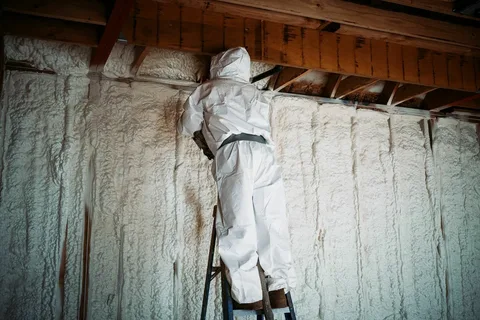
Closed-cell spray foam insulation has a dense structure and provides a relatively high R-value per inch. It is commonly considered for areas where homeowners need substantial thermal resistance within limited space while also creating a strong air barrier.
Open-cell spray foam insulation has a lighter structure and expands considerably during installation, allowing it to fill irregular or larger cavities efficiently. Because the two materials have different characteristics, moisture management and vapor control should be considered before selecting either option.
A professional assessment can help determine which product, thickness, and application area are appropriate instead of assuming one foam type works equally well throughout the entire house.
Improving Attics and Hidden Air Leaks
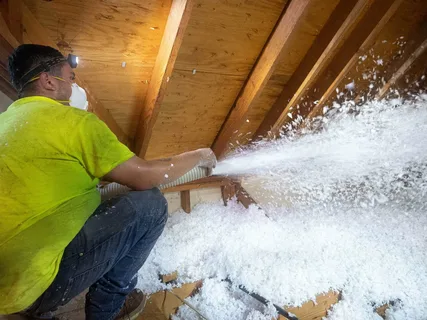
Attics often contain numerous small openings where conditioned air can escape. Gaps around wiring, plumbing, framing connections, access panels, recessed fixtures, and ceiling penetrations can contribute to uncomfortable rooms below.
Professional spray foam insulation IN Roundup, MTcan be applied to suitable attic or roof-line assemblies after the existing conditions have been carefully evaluated. Before installation begins, contractors should look for roof leaks, moisture damage, electrical concerns, ventilation requirements, exhaust ducts, and other conditions that could affect the project.
Consider a Roundup homeowner who notices that the first floor remains comfortable while an upstairs bedroom becomes unusually cold during winter. The actual problem may be air leakage around an attic hatch or nearby framing connection rather than insufficient insulation throughout the entire house. Identifying and sealing the weak point can provide a more targeted solution.
Preparation is equally important during installation. Nearby surfaces and belongings should be protected, and the application area should be properly managed during spraying. Ventilation, worker protection, product instructions, and recommended re-entry periods should all be addressed as part of a professional installation plan.
Understanding Pricing and Hiring a Contractor
Spray foam insulation does not have one standard price because every property presents different conditions. Total cost may change according to square footage, foam type, required thickness, cavity accessibility, surface preparation, existing insulation, removal work, and cleanup requirements.
When investing in Energy-efficient home insulation, homeowners should compare the details of each proposal rather than choosing a contractor based only on the lowest quoted number. A professional estimate should explain which areas will be insulated, what type of foam will be used, how thick it will be applied, whether old materials require removal, and what preparation or cleanup is included.
An insulation-focused contractor such as Spray Pros Insulation can evaluate areas including attics, rim joists, crawl spaces, walls, and other common air-leak locations. For renovations or construction projects affected by current Montana building requirements, homeowners should also confirm whether insulation levels, air-barrier provisions, testing, or local permit requirements apply.
Making a Smarter Insulation Decision
Choosing spray foam should begin with understanding where a home is losing comfort rather than automatically insulating every available surface. Drafts, attic leakage, difficult wall cavities, rim-joist gaps, and temperature differences between rooms can all indicate areas worth investigating.
Homeowners considering spray foam insulation IN Shepherd, MT or nearby Montana communities can follow the same approach: inspect existing conditions, address moisture problems first, compare suitable foam products, and confirm the planned application thickness.
Spray Pros Insulation can evaluate the property and explain which spaces may benefit most from foam insulation. A clearly defined scope, appropriate material selection, careful preparation, and professional application can help homeowners create a more dependable insulation system for long-term comfort and performance.
Frequently Asked Questions
1. What is the expected lifespan of spray foam insulation?
Properly installed spray foam can remain effective for many years when the surrounding structure stays in good condition. Water intrusion, roof leaks, or persistent moisture should be repaired before installation to protect long-term performance.
2. Can older homes in Roundup use spray foam?
Yes, spray foam may be suitable for many older homes, but an inspection should come first. Contractors should check existing wiring, moisture, roof conditions, ventilation, framing, and current insulation before deciding where foam should be applied.
3. Will spray foam help stop cold drafts?
Spray foam can reduce drafts by expanding into cracks and openings that allow uncontrolled air movement. Results are strongest when the installer identifies the actual leakage points and creates a continuous air-sealing layer.
4. What affects spray foam insulation prices in Roundup?
Pricing depends on the size of the project, foam type, required thickness, accessibility, preparation, and whether old insulation needs removal. A written estimate should clearly describe the included materials and work areas.
5. Are permits required for spray foam projects in Montana?
Permit requirements can vary according to the project’s scope and the local authority having jurisdiction. Homeowners should verify requirements for renovations, additions, or construction work before installation begins.