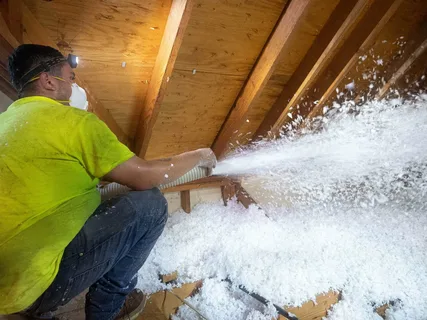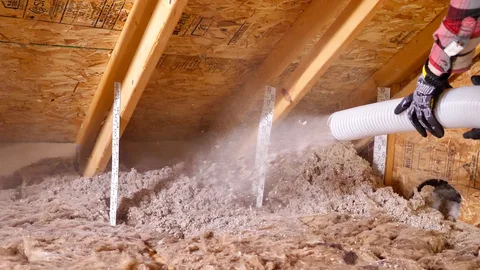
Billings homes face cold winters, summer heat, and wide temperature swings. These conditions can expose weak attic coverage and air leaks. Spray Pros Insulation helps local property owners improve thermal performance with blow-in insulation for attics and other suitable spaces. The material reaches gaps that can be difficult to cover with standard batts. Proper installation can reduce heat transfer, support steadier indoor temperatures, and help heating and cooling systems work with less strain.
Why Billings Homes Need Better Attic Coverage
Many older homes have insulation that has settled, shifted, or become thin in key areas. A contractor can inspect depth, check bare spots, and look for moisture before adding material. Blown-in attic insulation works well for attic floors because loose fibers can spread around framing, wiring, and other obstacles.
The U.S. Department of Energy reports that adding insulation and reducing air leaks can cut heating and cooling costs by up to 20% in some homes. ENERGY STAR recommends sealing attic air leaks before new insulation goes in. These two steps work together because insulation slows heat flow, and air sealing reduces unwanted drafts.
Cellulose and Fiberglass Options
Two common choices are cellulose and fiberglass. Loose-fill insulation installation lets installers build coverage to the depth needed for the target R-value. Cellulose is made largely from recycled paper fiber and receives treatment for fire resistance. Fiberglass uses fine glass fibers and remains a common attic material.
The right choice depends on attic access, existing insulation, moisture history, budget, and the R-value needed. Cellulose insulation contractors may suggest cellulose when dense coverage is useful around irregular framing. Blow-In Insulation Services can work well across large open attic areas. A site inspection gives the installer a better basis for choosing material and depth.
How Blow-In Insulation Is Installed
Good work begins before the blower starts. The installer checks the attic, identifies unsafe areas, and measures current insulation. Air leaks around plumbing, wiring penetrations, top plates, and attic openings should be sealed first. ENERGY STAR recommends completing attic air sealing before insulation work.
Baffles may be placed near soffit vents so insulation does not block airflow. The crew marks depth targets, loads loose-fill material into a blower, and spreads it across the attic. The final layer should be even, with no thin channels or missed corners. This process supports attic insulation services for upgrades and many retrofit projects.
Local R-Value and Project Cost Factors
Billings currently lists the 2021 IECC in its design criteria, with R-49 shown for ceilings. That local benchmark can help guide attic work, though an existing home still needs an inspection based on its construction and current insulation.
Project cost changes with attic size, material, target depth, access, old insulation removal, air sealing, and repair needs. A clean open attic may cost less than one with moisture damage or difficult framing. A local quote is more useful than relying on one broad national price.
Comfort and Energy Performance
A well-covered attic helps slow winter heat loss and summer heat gain. Energy-efficient home insulation in Billings MT can make rooms feel more consistent from floor to floor and may reduce heating or cooling cycles. Homeowners may notice fewer cold ceiling areas, less draft-related discomfort, and steadier temperatures after weak attic zones are corrected.
Final Thoughts
If your Billings home has uneven temperatures, rising energy use, or shallow attic insulation, an inspection can show where the problem begins. Check insulation depth, air leaks, moisture, ventilation paths, and the local R-value target before choosing a material. A quote should state the product, planned depth, preparation work, and cleanup so you can compare contractors on the same basis.
Frequently Asked Questions
How Long Does Blow-In Insulation Last?
Blown material can perform for many years when it stays dry and undisturbed. Settling can reduce depth over time, so periodic attic checks can help. Roof leaks, pests, or remodeling work may create thin areas that need correction.
Is Blown-In Insulation Good for Billings, MT Homes?
Yes. It can suit homes with under-insulated attics or hard-to-reach spaces. Billings has significant heating needs, making attic thermal resistance useful. The city currently lists R-49 for ceilings in its design criteria.
Should Attic Air Leaks Be Sealed Before Insulation?
Yes. ENERGY STAR recommends attic air sealing before insulation is added. Sealing gaps reduces uncontrolled air movement through the ceiling plane, then the insulation layer can focus on slowing heat transfer.
What Affects the Price of Blown-In Insulation in Billings?
Main cost drivers include square footage, insulation depth, material, access, air-sealing work, old insulation removal, and repairs. A larger attic or one with moisture damage often needs more labor and preparation than a clean, open attic.
Can Blown-In Insulation Go Over Existing Insulation?
In many cases, new loose-fill material can go over existing attic insulation if the old material is dry, safe, and in usable condition. A contractor should inspect for leaks, contamination, blocked vents, damaged wiring, and other problems first.